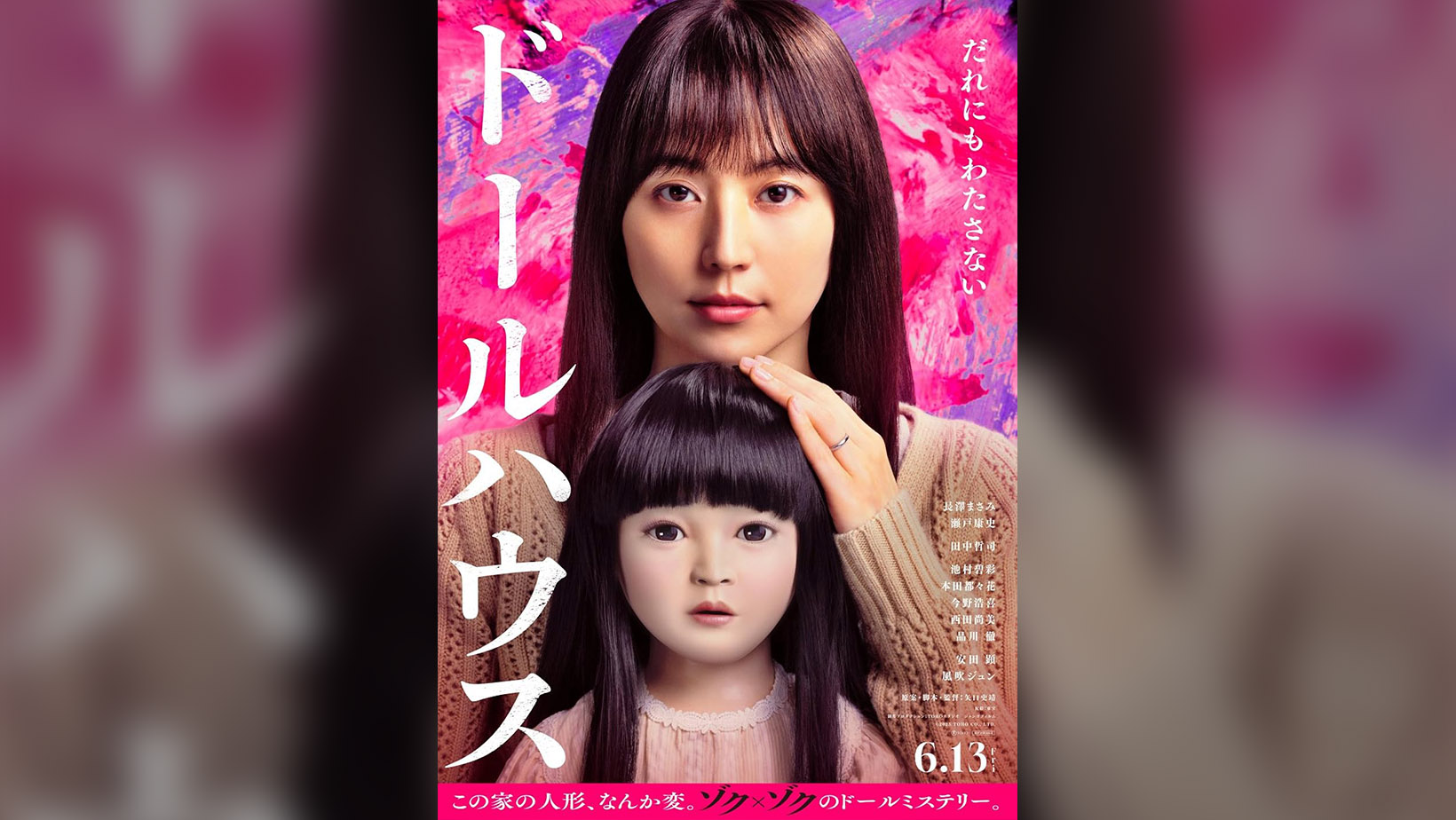





After stepping away from filmmaking since 2019’s charming musical comedy Dance with Me, director Shinobu Yaguchi makes his return with Dollhouse (2025), a horror tale centered on a cursed doll, of all things. Those who are only mildly familiar with Yaguchi-san’s filmography may find this genre jump to be rather jarring, but I assure you this isn’t his first haunted rodeo.
For those entirely unfamiliar, Yaguchi-san’s movie catalogue consists mostly of a light-hearted type of films such as Swing Girls (2004) and Wood Job! (2014). However, his earlier credits include directorial contributions to the long-running Gakko no Kaidan (School Ghost Story) TV series. While I wouldn’t exactly call Dollhouse a “return to form”, I was certainly interested in how he would blend his early horror roots with the warm, uplifting style he’s become known for more recently.
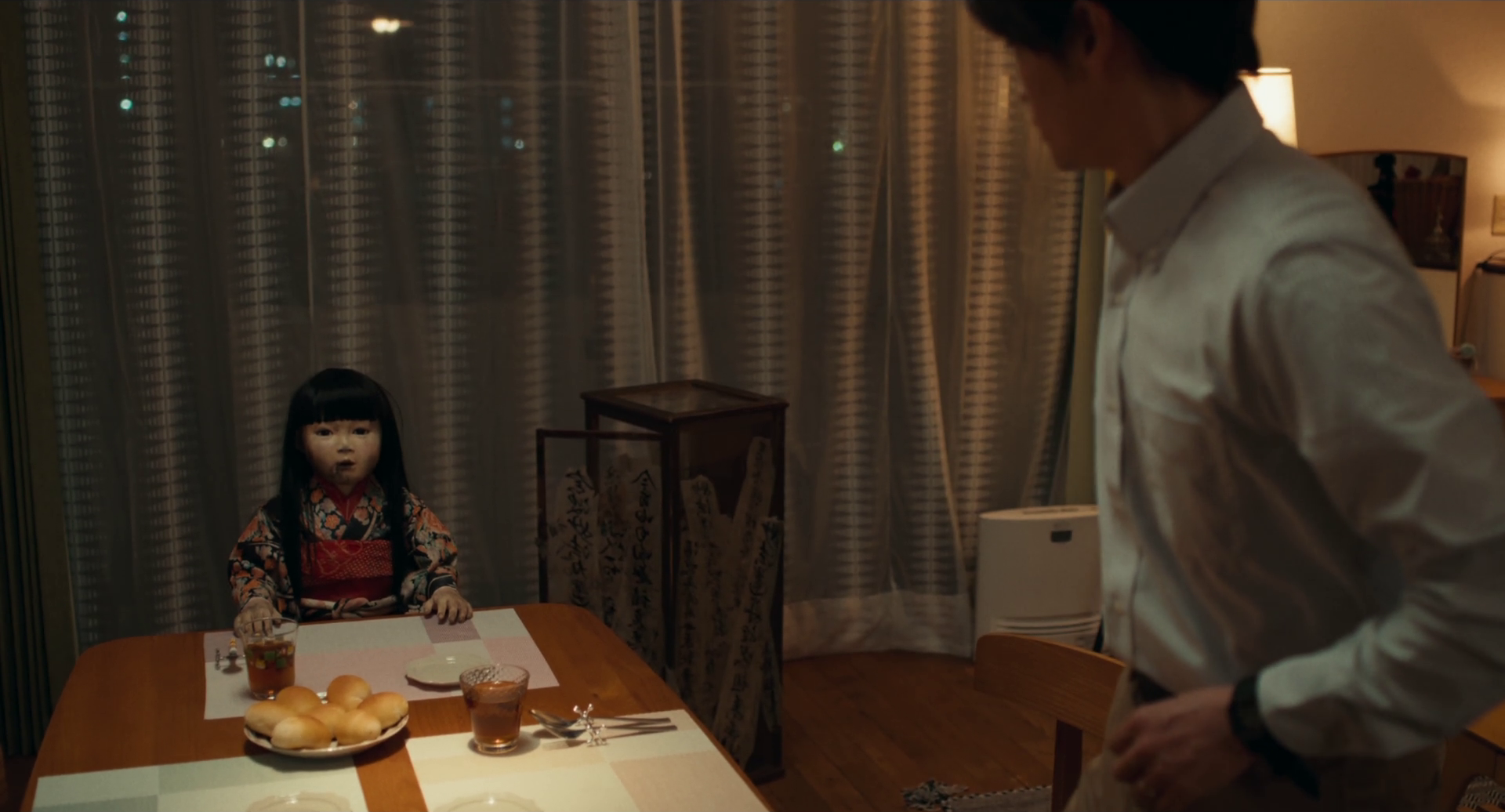
After losing their 5-year-old daughter in a tragic accident, a mother named Yoshie Suzuki finds solace in a life-sized ancient doll that she finds in a market near her home. Yoshie begins to treat the doll as part of the family, going as far as including her in family meals, taking her out shopping in a stroller, and taking family photos with her and her husband, Tadahiko Suzuki, before framing them all on the wall. When a new daughter enters the family’s life one year later, strange things begin to happen, and no matter how hard the family tries to get rid of it, the doll always finds its way back.
I know what you’re probably thinking: “Exactly how original can a modern haunted doll movie be?” To be completely transparent, the answer in most cases is “not very original”. Over the years, moviegoers have become inured to the numerous haunted doll tropes, which include having a doll become a conduit for a restless spirit, having it move around or make noises on its own, having an unsettling countenance, and causing direct or indirect harm to those around it. It’s safe to say that most (if not all) horror fans go into these flicks expecting nothing more and nothing less. The level of enjoyment depends on how the tropes are handled, and thankfully, Yaguchi-san proves himself once more.
The story here is indeed simple, but the way it unfolds is incredibly effective. Yaguchi-san knows exactly how to time the more emotional moments in the film without hindering the overall pacing. The “grieving protagonist” trope—which has been quite popular in recent “elevated” horror films—is prevalent here, but it is handled with such poise that it never feels tedious. Viewers would not typically support the lead character taking home such an obviously cursed object, but after realizing that the doll becomes a coping mechanism for Yoshie, an effective one at that, you can’t help but feel a strange sense of acceptance and empathy.
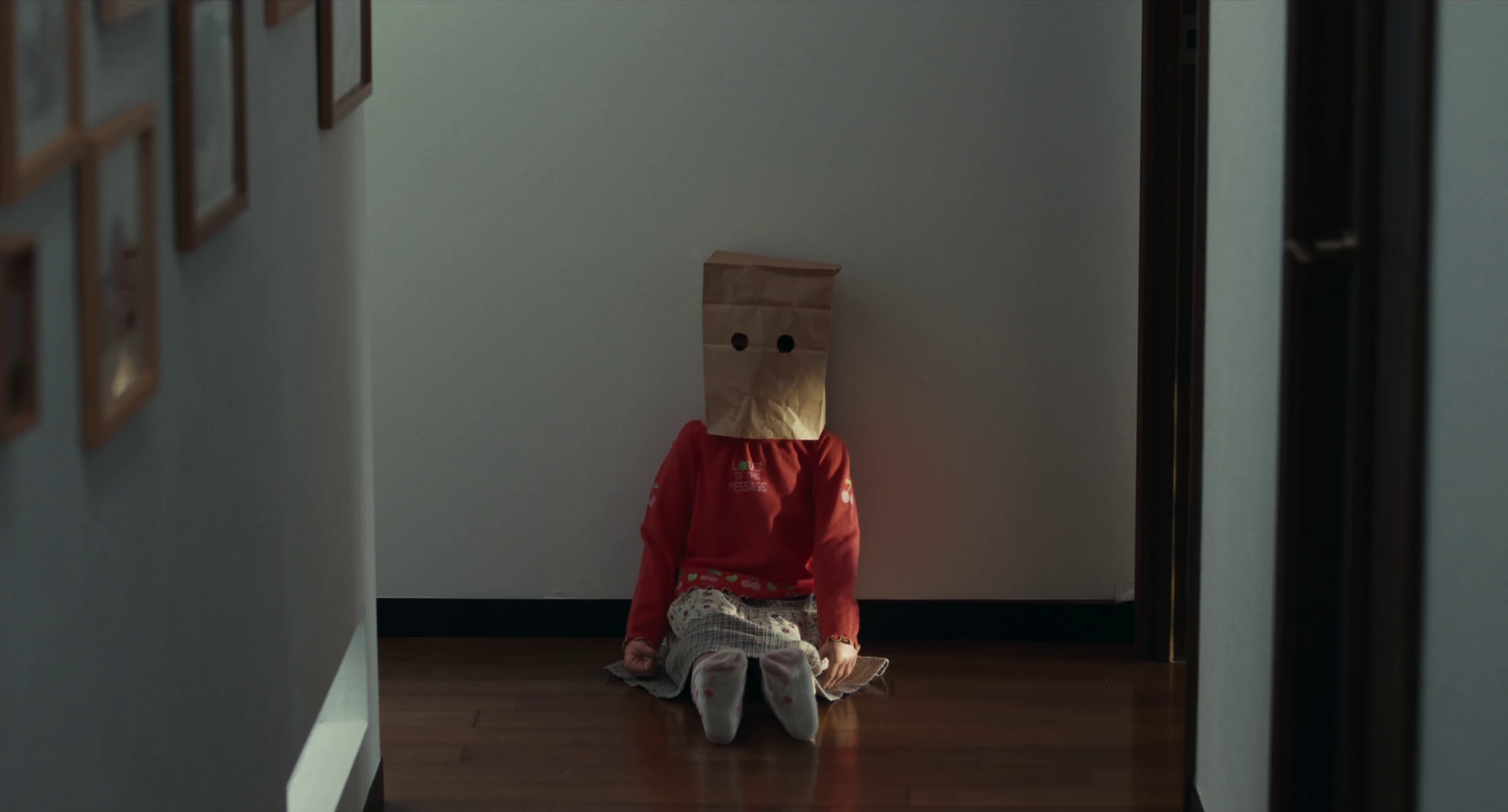
The thing I was most curious about when watching Dollhouse was whether the doll was going to walk around on her own and speak or remain an inanimate object. Yaguchi-san finds plenty of ways to have her frighten the family without ever going full “Chucky” and produces some surprisingly creative set pieces throughout that present the doll in ways that aren’t laughable. One of my favorite tidbits was the realization that the doll’s hair and nails continued to grow after being cut, which echoes the story of Okiku, a real-life “haunted” doll that is housed at the Mannenji Temple in Japan.
Although Dollhouse doesn’t reinvent the haunted doll wheel, it delivers exactly what it promises: a fun, frenzied dose of eerie entertainment. Yaguchi-san’s careful direction keeps the energy high and the atmosphere playfully unsettling, making the tropes feel fresh enough to appreciate. There are some twists and turns towards the end that I didn’t see coming, which made the final stretch way more engaging than I expected. Dollhouse is a perfect example of how effective tropes can be when handled correctly, and I truly hope that Yaguchi-san’s next film, or at the very least one of his upcoming projects, is another horror one.
More Film Reviews
Despite being one of Japan’s biggest film studios throughout the late 40s and 50s during the golden age of Japanese cinema, Daiei was struggling by the mid-60s and had… I honestly haven’t had this much “fun” while watching a horror movie in quite a long time. Shudder release Vicious Fun is true to the name; it carries immense nostalgic… How many of you have been to a GWAR show? If you haven’t, I bet you know someone who has, and I can guarantee you that person has some stories… U.V.F: Underground Video Films is a 2026 extreme found footage horror anthology comprising shorts directed by João Augusto De Nardo (Tenebre Radio, Corrupted Pleasure, Presenter Interludes, Room 44, Tenebre Video… Preman is a 2021 Indonesian action crime drama, written and directed by Randolph Zaini in his first feature length directorial debut. After witnessing the murder of an old man at… Christopher Landon is turning out to be a director I can depend on to deliver stylish and raunchy horror flicks, so I was so excited when “Freaky” first appeared with…
Secrets of a Woman’s Temple (1969) Film Review – Temptation, Torture, and Treachery
Vicious Fun (2020) Film Review – An Aptly Titled Horror Comedy
This is GWAR (2021) Film Review – There Will be Blood

U.V.F: Underground Video Films (2026) Film Review – We Don’t Call Them Anything, We Just Show Them
Preman (2021) Film Review – Indonesian Action Crime Drama
FREAKY (2020) Film Review: Was Freaky and I Liked It a Lot!

Your typical ghoul next door; film enthusiast, horror fanatic, J-horror nerd, aspiring horror host, and all around geek. Will likely be found cuddling with their cat and reading an old smelly book, or stuffing their face with popcorn at the cinema!