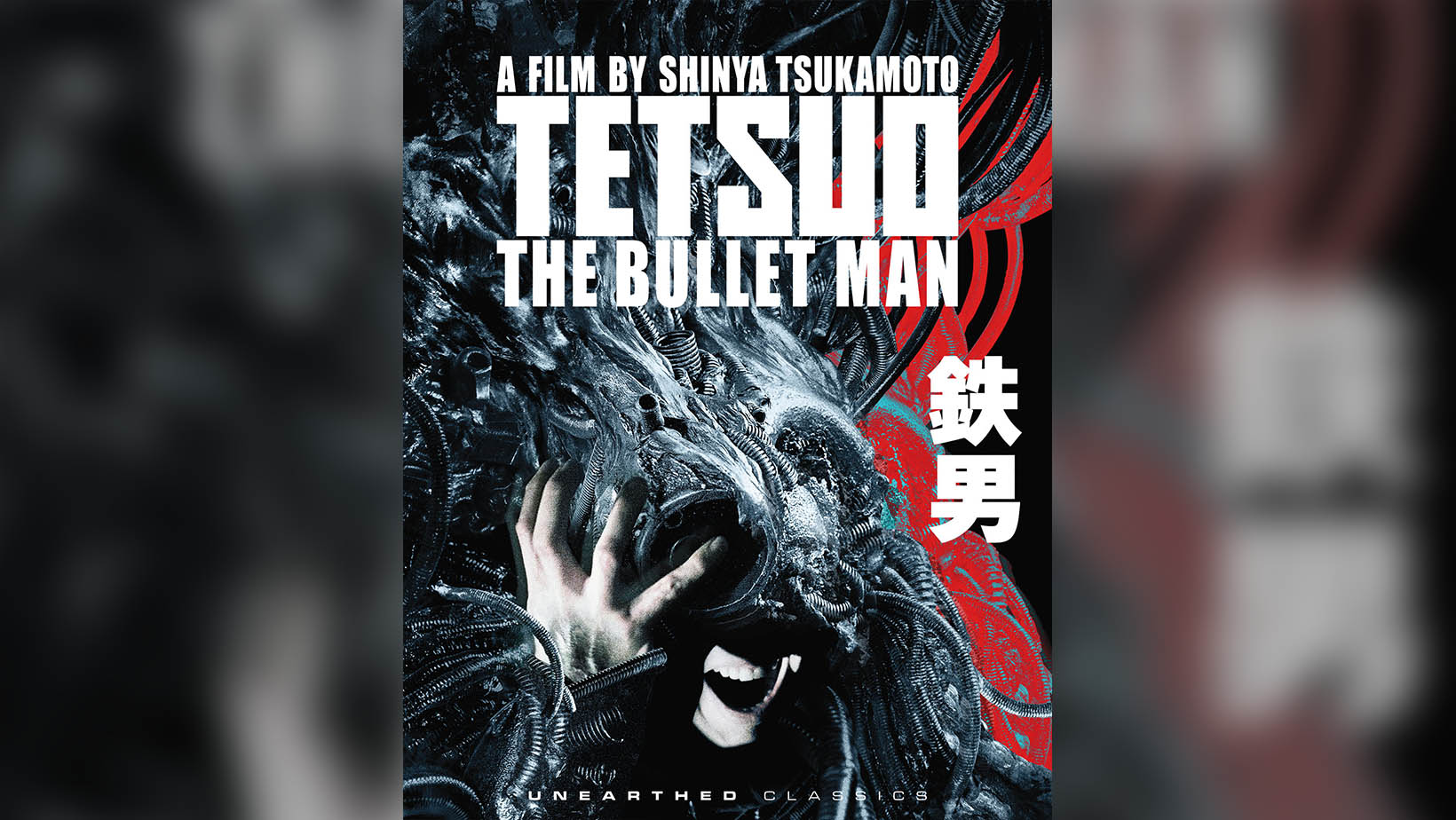





Tetsuo: The Bullet Man is a 2009 Japanese cyberpunk body horror film written and directed by Shin’ya Tsukamoto, with additional writing from Hisakatsu Kuroki. Known for his writing, directing, and acting skills, Shin’ya Tsukamoto is notable for creating films such as Hiruko the Goblin (1991), Haze (2005), and Nightmare Detective (2006), along with this film’s prequels, Tetsuo: The Iron Man (1989) and Tetsuo II: Body Hammer (1992).
When his young son is killed, Anthony begins a violent and bizarre metamorphosis, his flesh transforming into metal, his body expressing his repressed rage and lust for revenge.
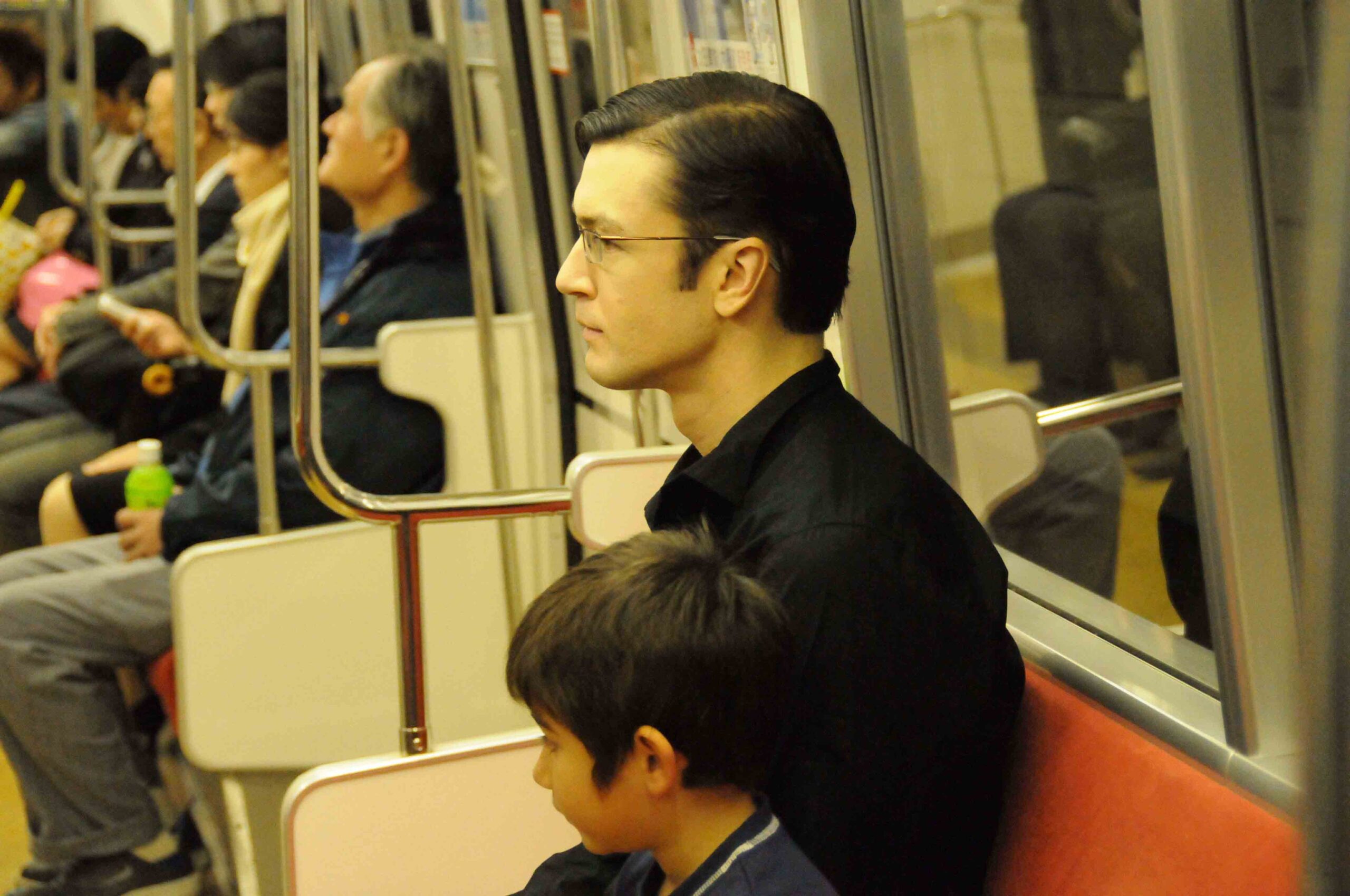
Exploring a more traditional narrative progression, Tetsuo: The Bullet Man foregoes the considerable mystery, intrigue, and eroticism explored through the nonconventional story progression of the previous entries. The departure from the raw emotion and punk-rock sentiments to showcase Tsukamoto’s western influences culminates in a fairly stilted family dynamic that develops in a far more orthodox manner. While some level of characterisation was present in the first two films, it was never the crux of the narrative structure and more a byproduct of the unconventional body horror which took centre stage. However, Tetsuo: The Bullet Man puts far too much emphasis on this depiction, imparting both more character-building and explanatory story—lacking in the enigmatism prevalent in the series previously.
Additionally, while the previous entries are hardly discreet with their symbolism, Tetsuo: The Bullet Man certainly lacks any subtlety at all. An American man transforming into a bullet-spewing beast unable to control his unending rage is certainly missing any nuance in its social commentary by comparison. Despite this, the film does have some solid moments and, as a stand-alone film, would not have received as much negativity surrounding its narrative. However, as an entry in one of the most kinetic body horror series to come out of Japan, it is a noticeable downgrade in what made the series a cult classic to begin with.
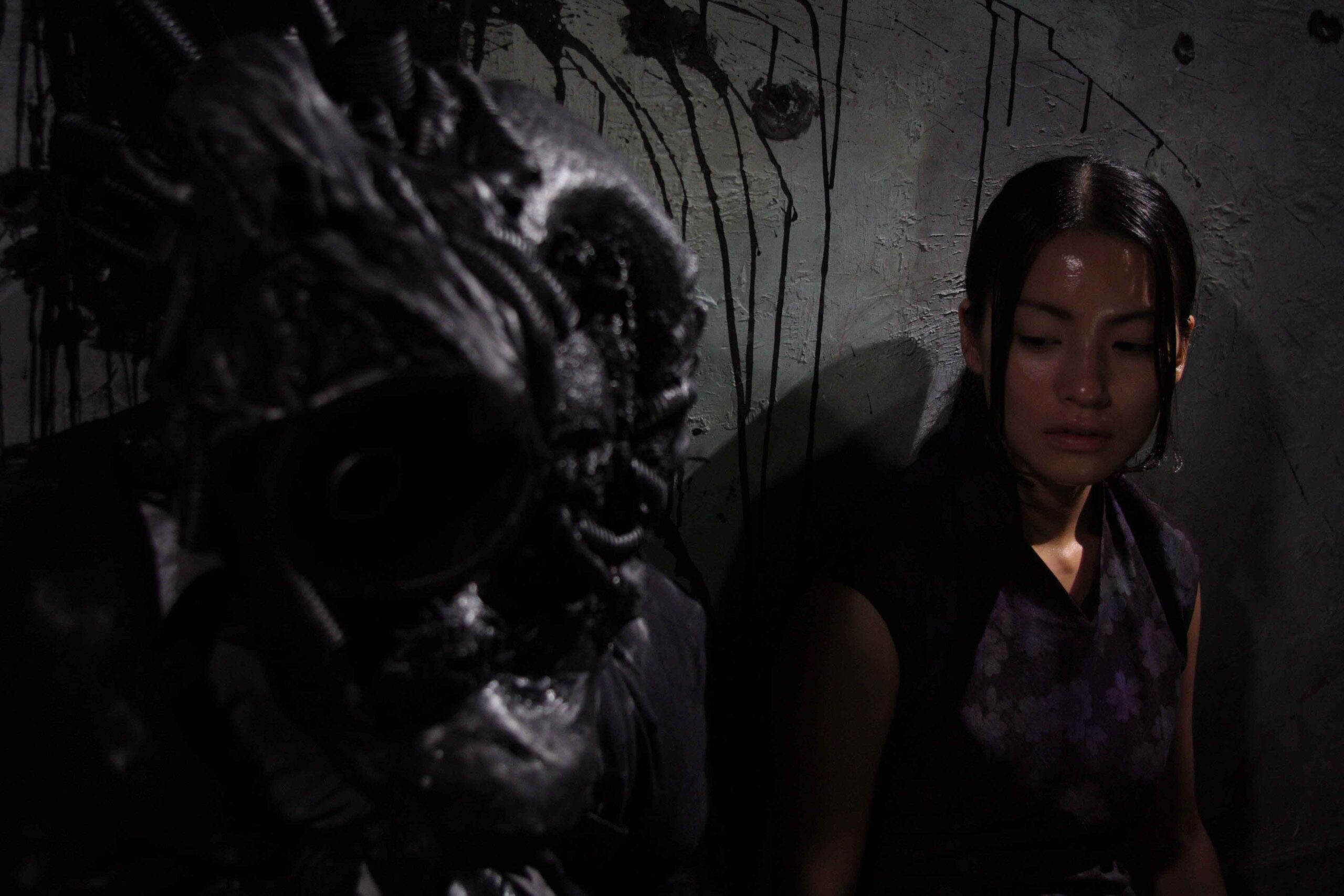
In keeping with the series’ visual style, its trademark cinematography shines through despite the change in medium. While Tetsuo: The Bullet Man is filmed digitally, features a much more muted, icy colour grading, and frames its shots more conventionally, the frenetic shaky cam synonymous with Tsukamoto remains as visually jarring as ever—adding an extra layer of chaos to the already tumultuous visuals. Furthermore, the series’ rapid-fire editing makes a return, delivering an abrasive assault of breakneck jump cuts as a sensory overload for the audience.
Achieved mostly through practical means, with slight embellishment through CGI, the depiction of body horror is well realised—retaining the grimy, industrialised transformations and metallic environments that serve as the series’ identity. The lustrous steely skin, weaponised limbs, and grotesque biological fracturing are all achieved through physical prosthetics and make-up effects.
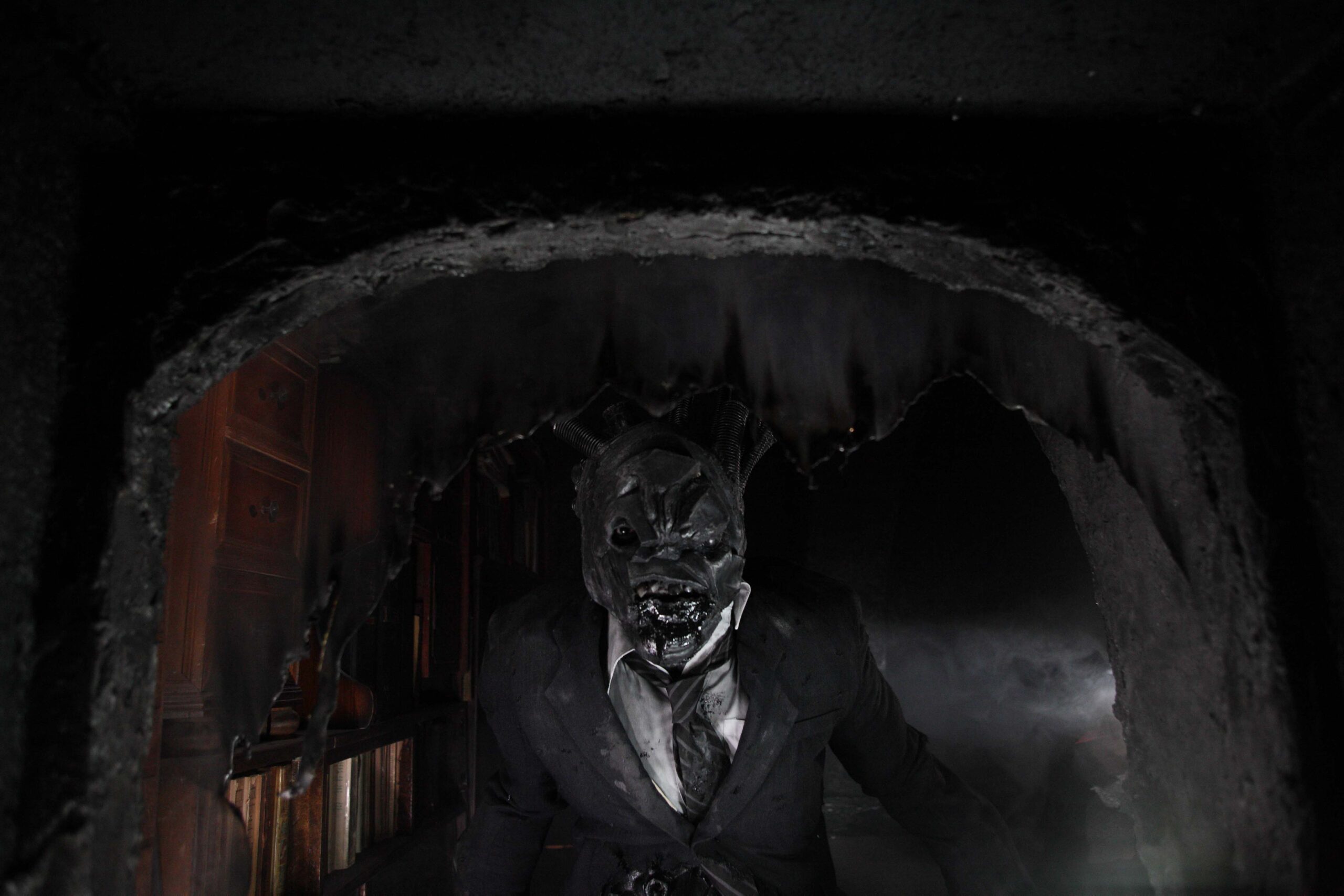
Certainly a mixed bag, the performances display both high and low notes throughout the film. The lead protagonist, Anthony, played by American actor Eric Bossick, delivers a rather stilted performance throughout. For a character who is supposedly fuelled by pure rage, his performance rarely conveys this emotional weight—seemingly sleepwalking through most of the film. Conversely, Shin’ya Tsukamoto’s performance as the film’s antagonist is fantastic, delivering an intense thematic embodiment of destructive obsession.
Though a weak final entry to the series, Tetsuo: The Bullet Man is still a fairly competent body horror experience despite its flaws. However, in comparison to its predecessors, it’s undoubtedly a departure from what made the first two films cult classics in the first place. Though not as impactful or brutal in its body horror, and suffering narratively, fans of Tsukamoto’s films and the Tetsuo series should still give it a watch—though with lowered expectations.

Tetsuo: The Bullet Man (2009) is available to purchase from Unearthed Films’ Website here.
More Film Reviews

Satan Claus (1996) Film Review – Won’t You Join My Slaying Tonight?
Satan Claus is an Italian/American low-budget slasher horror, written by Simonetta Mostarda and directed by Massimiliano Cerchi. Well-versed in independent horror, Massimiliano is known for directing such lo-fi additions to…
The Summoned (2022) Film Review – Horror of Being The Odd Man Out
Two high profile couples are forced to examine the cost of success when they’re invited to an exclusive self-help retreat at the elusive Stauphen House where their ancestors sold their…

Daddy’s Head (2024) Film Review- Grief Rears its Ugly Head
Taking grief to a deeply familiar level and revealing its relentless presence, Benjamin Barfoot delivers a sophomore feature that cements his status as one of the decade’s most promising horror…

Let the Wrong One In (2021) Film Review – Goofy Vampires Don’t Sparkle Either
Horror comedy is such a subjective film genre. Hell, comedy in general is tough enough because what’s funny to me might be completely boring to you. So how do you…
The Latent Image (2022) Film Review – British Horror Thriller
The Latent Image is a 2022 British gay horror mystery, written and directed by Alexander McGregor Birrell with additional writing from the film’s main star, Joshua Tonks. Beginning his career…

Be My Cat: A Film For Anne (2015) Film Review – Why Is Everybody Afraid Of Love
When the found footage genre became fully established in the late 90s with the release of The Blair Witch Project (1999), the cinematic technique was hailed as an inventive, tenable…

Hey there, I’m Jim and I’m located in London, UK. I am a Writer and Managing Director here at Grimoire of Horror. A lifelong love of horror and writing has led me down this rabbit hole, allowing me to meet many amazing people and experience some truly original artwork. I specialise in world cinema, manga/graphic novels, and video games but will sometime traverse into the unknown in search of adventure.