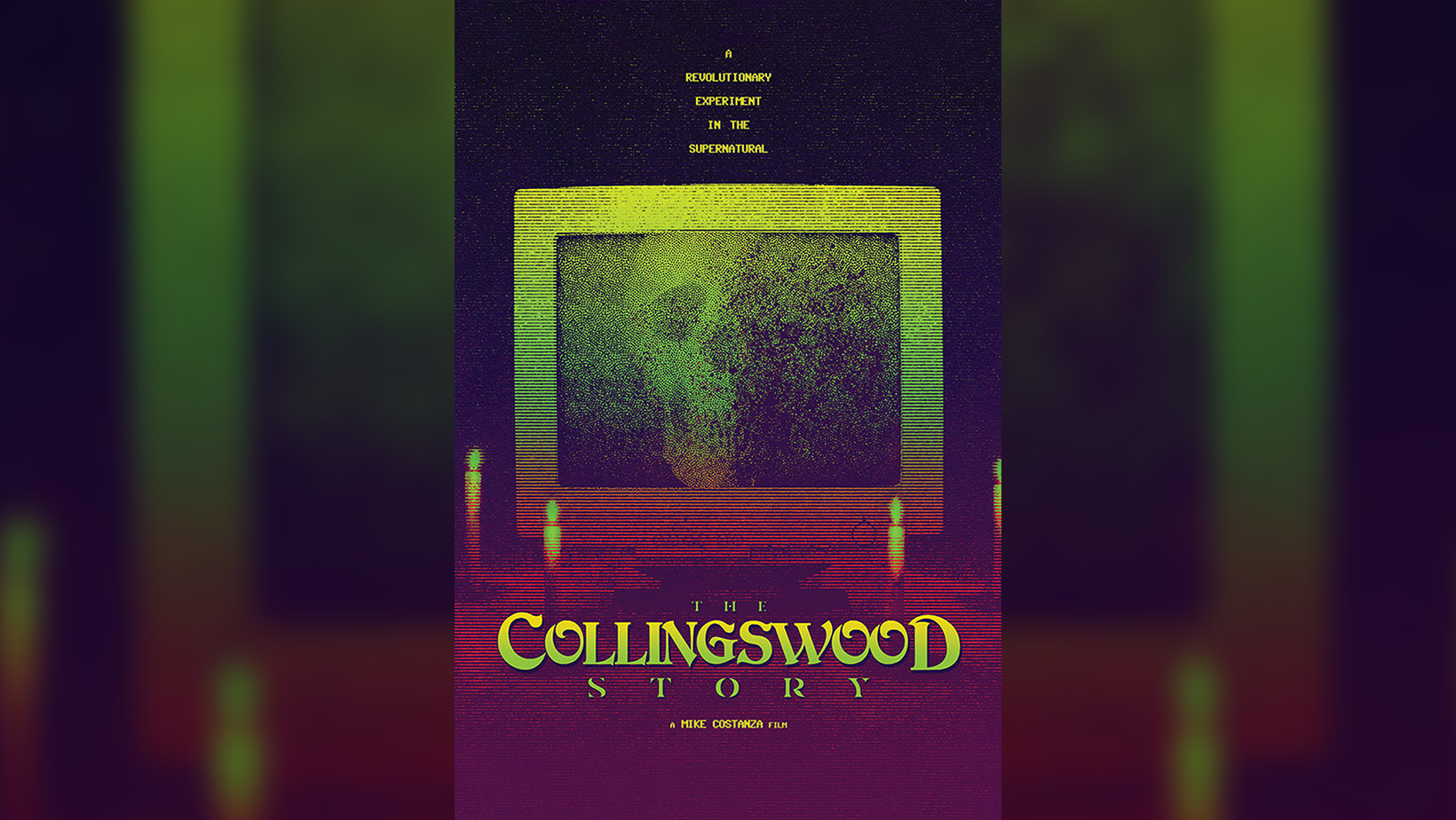





The Internet Age has transformed us in so many ways, even down to the way we tell stories to keep pace with advancing technology. Our fledgling fixation on screens has spawned another branch in the found footage horror subgenre that explores the possibilities of conceit while reflecting on how the internet shrinks or expands our connectivity to others, our identities, moral judgments, and self-motivations.
The found footage genre rides on its relatability, showcasing realistic-feeling interactions and scenarios that intensify and legitimize what’s transpiring in the supposed recording. This film adapts digital terrains, such as social media applications, to engage our familiarity with such outlets and address matters that we may overlook while absorbed within screens. Not only does it offer a unique narrative, but it also memorializes the evolving online culture through filmmaking. Powered by superb performances and originality, The Collingswood Story is an apt introduction to this internet lifestyle we live in now.
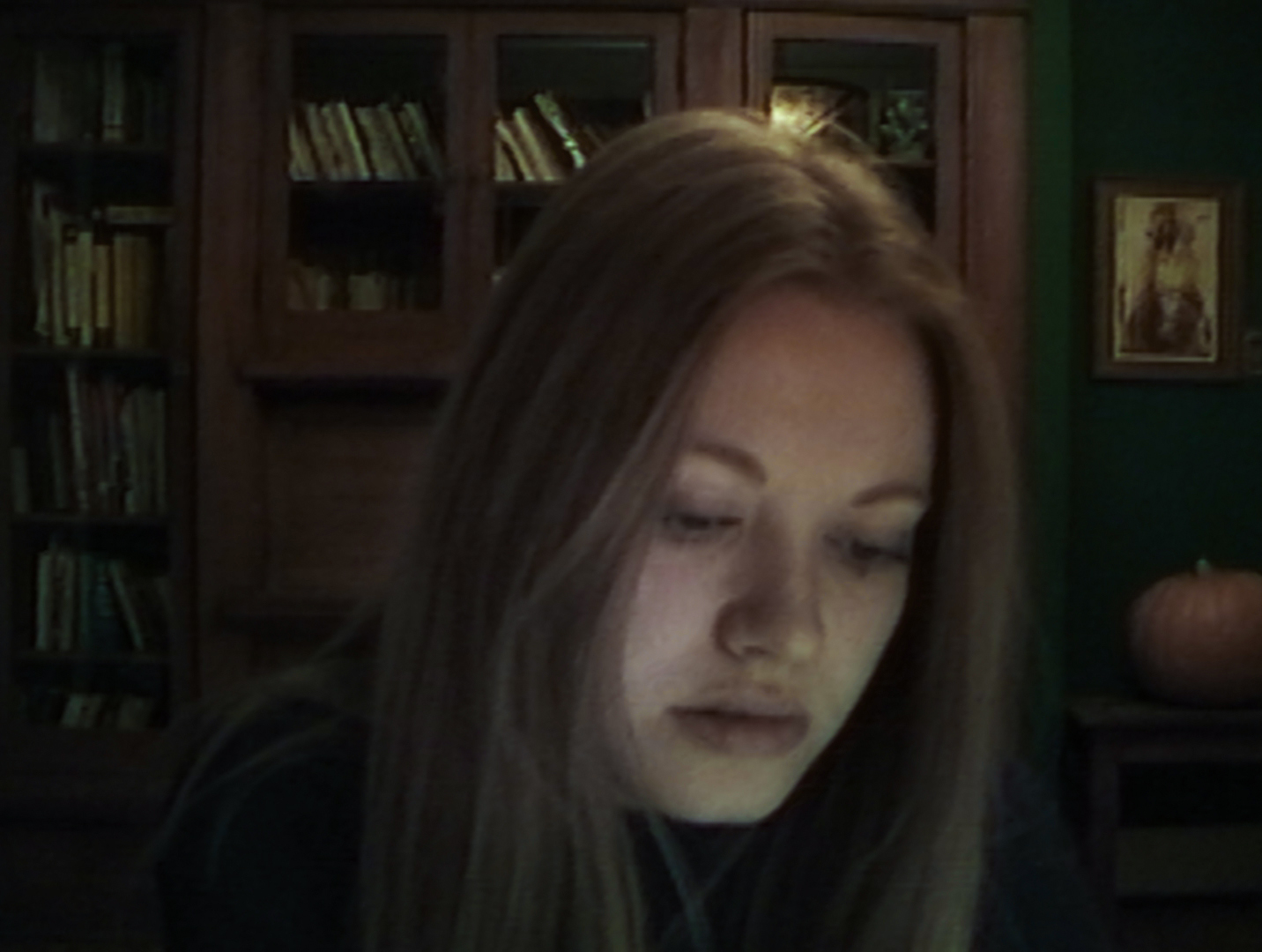
The film revolves around two people who use video chatting in the hopes of keeping their long-distance relationship intact. Rebecca and her boyfriend John explore the social media application to feed their curiosity, unaware of what they’re about to find out as they dig deeper. The story is not that unusual, but it perfectly encapsulates why the internet became a crucial necessity: we want to make the world smaller. The film is set in 2002, so the portrayal of video chatting is way more complicated than what we have now. It shouldn’t be a surprise to be weirded out with the film’s use of telephones to connect people in the video platform since video chats weren’t an everyday thing.
The film gets off to a good start by depicting the awkwardness of using webcams in their early days. Although it is pretty brief, it underscores how we find technology disorienting at first, echoing the experience of anyone who found their first internet experience bewildering. T two main characters then celebrate Rebecca’s birthday through the video chat. Given that the film was released years before video conferences took over our social life, the film highlights an important life event to capture the convenience and connectivity these platforms offer us. It is a nice setup to showcase the lighter side of the internet.
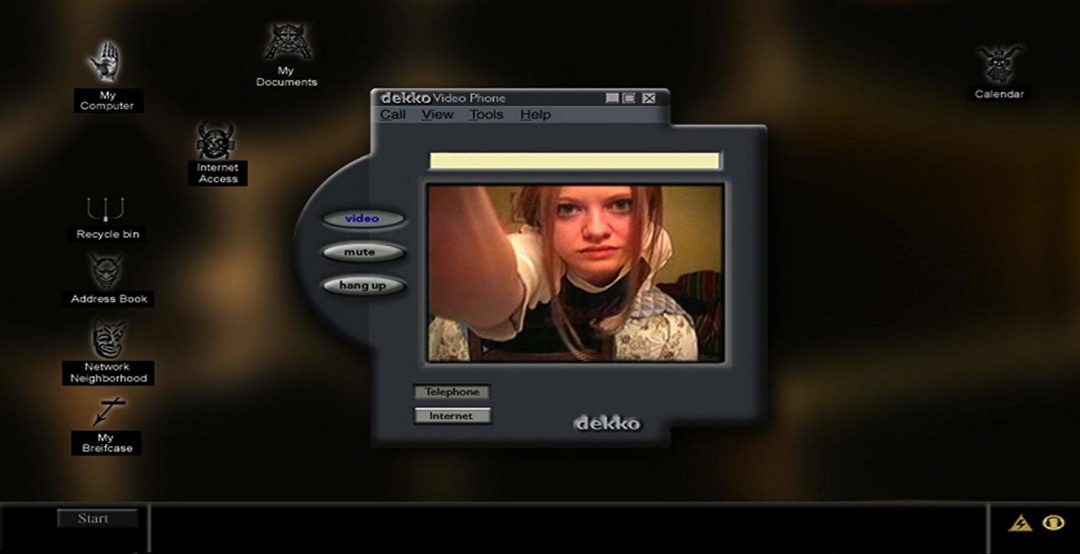
The realm of video chatting is later expounded upon further when they try to connect with random people online. It is a prelude to how these webcam-based applications expanded from one-on-one interactions to a more extensive video chat forum where you can meet strangers with just a click. Their exploration leads them to reach different people who might show what we would expect to see when using this digital application in the coming years. As the internet is a jungle of wackos, entertainers, and cons, one should be prepared not to get lost in these woods. The idea of exploring this online landscape for the first time is relatively more daunting than exciting, as Rebecca’s confusion and discomfiture precisely demonstrate during these online exchanges.
However, the digital age is a double-edged sword, and the film shows how restrictive the experience can be. Ironically, the internet and technology have the power to bring us closer to people, yet we can only do so much in them. Although the couple sees each other on-screen, they are not physically interacting, making them mere spectators rather than dynamic participants in their own relationship. The net thrusts this reality on us; that we could replace face-to-face interaction with audio-visual facsimiles, but at the end of the day we become powerless and depressed with this restriction, and John’s frustration throughout the film mirrors this fact.
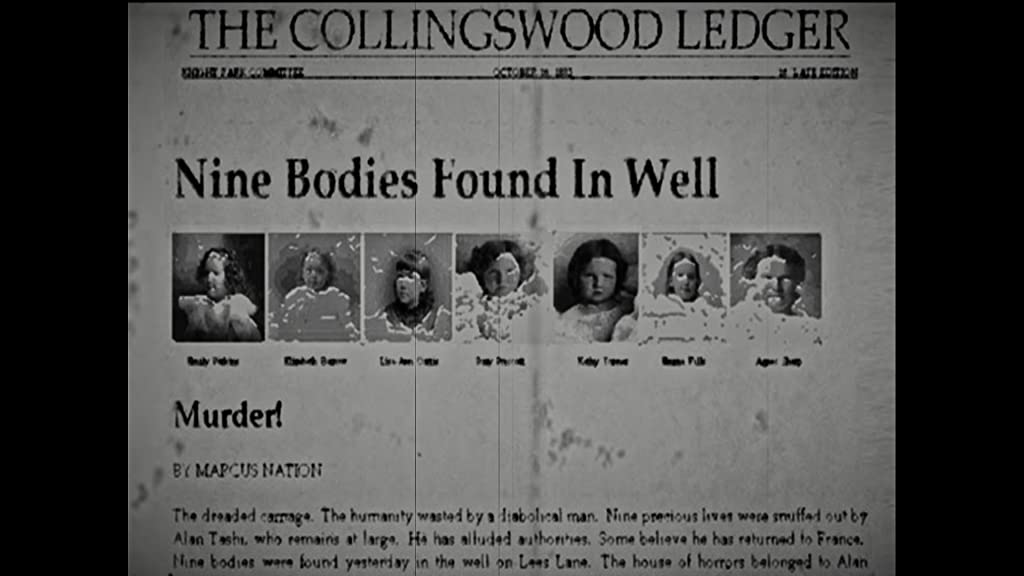
The Collingswood Story also portrays the erratic and hypnotic nature of the internet itself. It can be a deep rabbit hole, where you might find yourself excessively indulging with a particular issue as though being eternally sucked into an online blackhole. This tendency drives one of the story’s vital moments where John finds himself unearthing the buried history of Collingswood. Because this aspect of the story does not rely on social media, the film can depict the internet in its purest form: vast and engrossing.
However, we can easily overlook these remarkable features with the film’s glaring weaknesses. The most obvious among them is the online cultist, who is tedious and bothersome. Their first contact with her already established a good commentary on how the internet opens its gates for frauds and cons, but instead of keeping it that way, the film botched the opportunity and made her a nuisance. While others may find her compelling, her pompous scenes and the ending, which didn’t add much substance to the investigation, prove that the film could do much more without her.
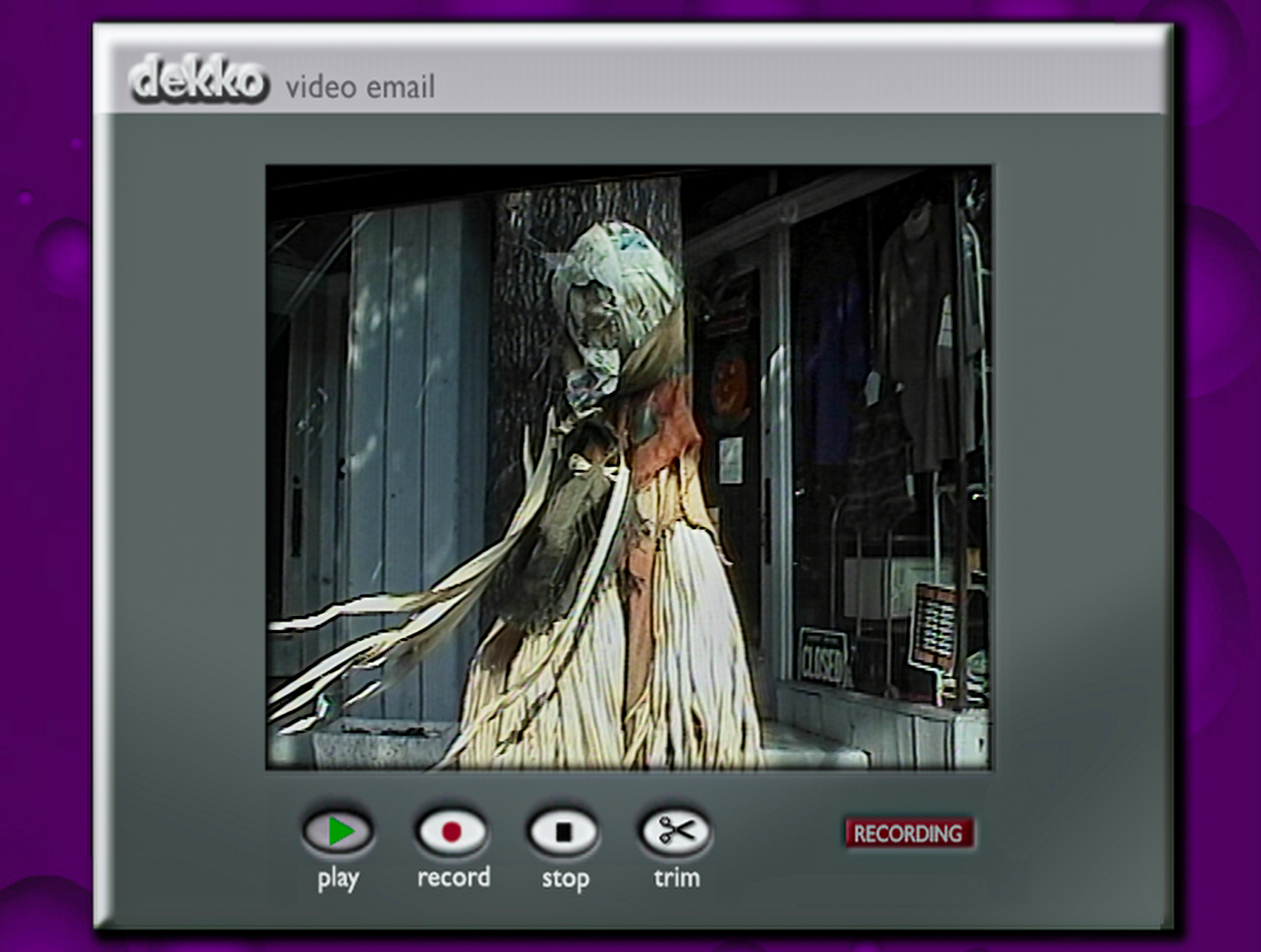
The ending, without a doubt, ruins the film. It is a pretentious turnabout recklessly handled and thoughtlessly established. If it’s going for another Blair Witch Project-type of ending, they might as well do it correctly or with their own touch. The last scenes are irking enough, as the room’s darkness and relentless trembling of the camera overpower the excitement from what Rebecca finds in her search, but the ending was so ill-intended that rewatching it will be out of the question because you realize that you have been worked up for nothing.
If it wasn’t for the ending, the film could’ve been a better addition to the ranks of the found footage genre that hit every sweet spot. Nevertheless, it is a necessary watch as it paved the way for screen-life films like the famed Unfriended (2014) and Host (2020) to succeed. Ahead of its time, The Collingswood Story‘s early account of visual communication still resonates even today.

Collingswood Story was Screened as part of the 2022 Unnamed Footage Festival
More Film Reviews
Mercenaries for hire, James and Marshall are tasked with rescuing a scientist from an underground bunker in order to obtain the research she holds. However, the complex is crawling with… Invitation Only (Jue ming pai dui) is a 2009 Taiwanese extreme horror, written by Sung In and Carolyn Lin and directed by Kevin Ko as his first feature-length film. Kevin… The Last Horror Movie is a 2003 British found footage horror mockumentary, written by James Handel and directed by Julian Richards. Beginning his career with the award-winning shorts Pirates (1987),… A young actress gives birth to a stillborn baby girl, but an accident in the morgue brings the baby back to life… with electrokinetic powers. The child is abducted by… Johanna is just twenty years old but struggling with her boring and aimless existence. Disturbing visions start the day she gets fired from her job. Soon Johanna is carried off… If you’re a vegetarian and/or averse to the musical genre that is Post-Apocalyptic-Symphonic-Reindeer-Grinding-ScandoFinn-Metal then avert your eyes to the following review. 2018 Finnish shock-rock comedy Heavy Trip is just waiting to…
Death Valley (2021) Film Review – Action Packed Horror
Invitation Only (2009) Film Review – An Invitation You Cant Refuse
The Last Horror Movie (2003) Film Review – A Character Study in Murder

Reborn (2018) Film Review: A Frustrating Miss

Dark Circus (2016) Film Review – The Goths Are Alright

Heavy Trip Film Review – Dark Comedy at its Best

I am a 4th year Journalism student from the Polytechnic University of the Philipines and an aspiring Filmmaker. I fancy found footage, home invasions, and gore films. Randomly unearthing good films is my third favorite thing in life. The second and first are suspending disbelief and dozing off.