





Confessions of a Serial Killer is a 1985 American horror thriller written and directed by Mark Blair. Surprisingly, the film is the only writer/director credit to Mark’s name, never venturing out into filmmaking after the completion of this title. The title was picked up for distribution by King of the B-Movie, Rodger Corman, who delayed American release due to its similarities with another film based on similar events, Henry: Portrait of a Serial Killer (1986).
After being arrested, a Texas man begins confessing to the brutal murder of over 200 women. He recounts his random selection of victims and his travelling companions, his friend and his friend’s sister. But the police can’t be sure whether to believe him or not until he locates a body and shows them some Polaroids.
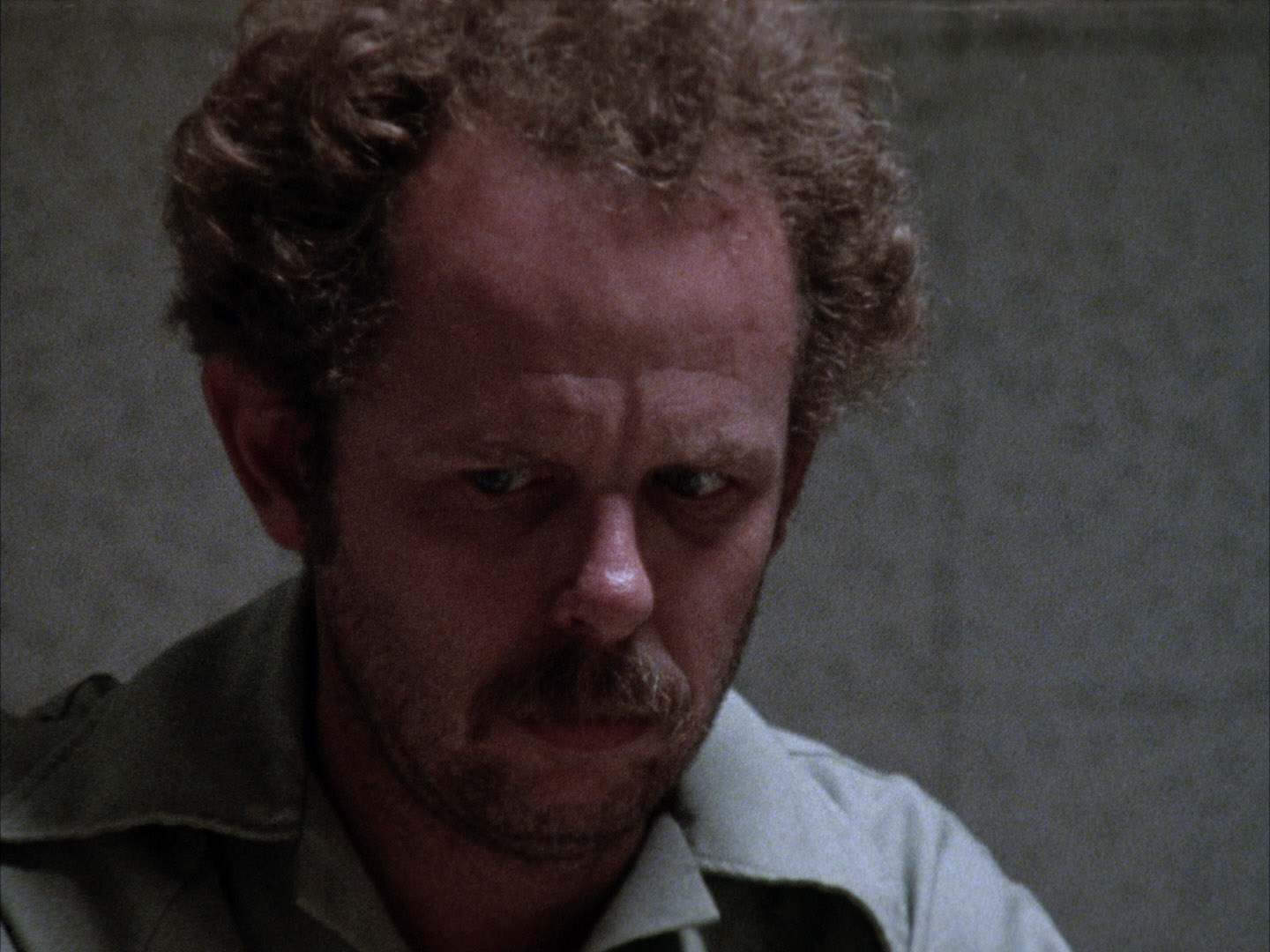
Based on the real-life exploits of notorious American serial killer, Henry Lee Lucas, Confessions of a Serial Killer undoubtedly portrays the gritty and seedy elements of these heinous crimes unambiguously. Structured as a series of flashback vignettes being recounted to the investigators in charge of corroborating his wild claims, the film admirably translates the murderous squaller that was Henry’s life before his capture. However, with this constant back and forth between vignettes and framing device, the story can feel choppy at times–feeling unconnected from each other besides the killer’s introduction to each scene.
Additionally, being the first uncut release of Confessions of a Serial Killer, the film boasts an extra 15 minutes of scenes deemed too extreme for the theatrical release. Scenes, where a 15-year-old Daniel Ray Hawkins murders a prostitute, Hawkins and his sister (as children), watch their mother have sex with two men, as well as the group’s discussion of starting a violent sex magazine are just a few examples of the content which has been lovingly restored to this uncut version.
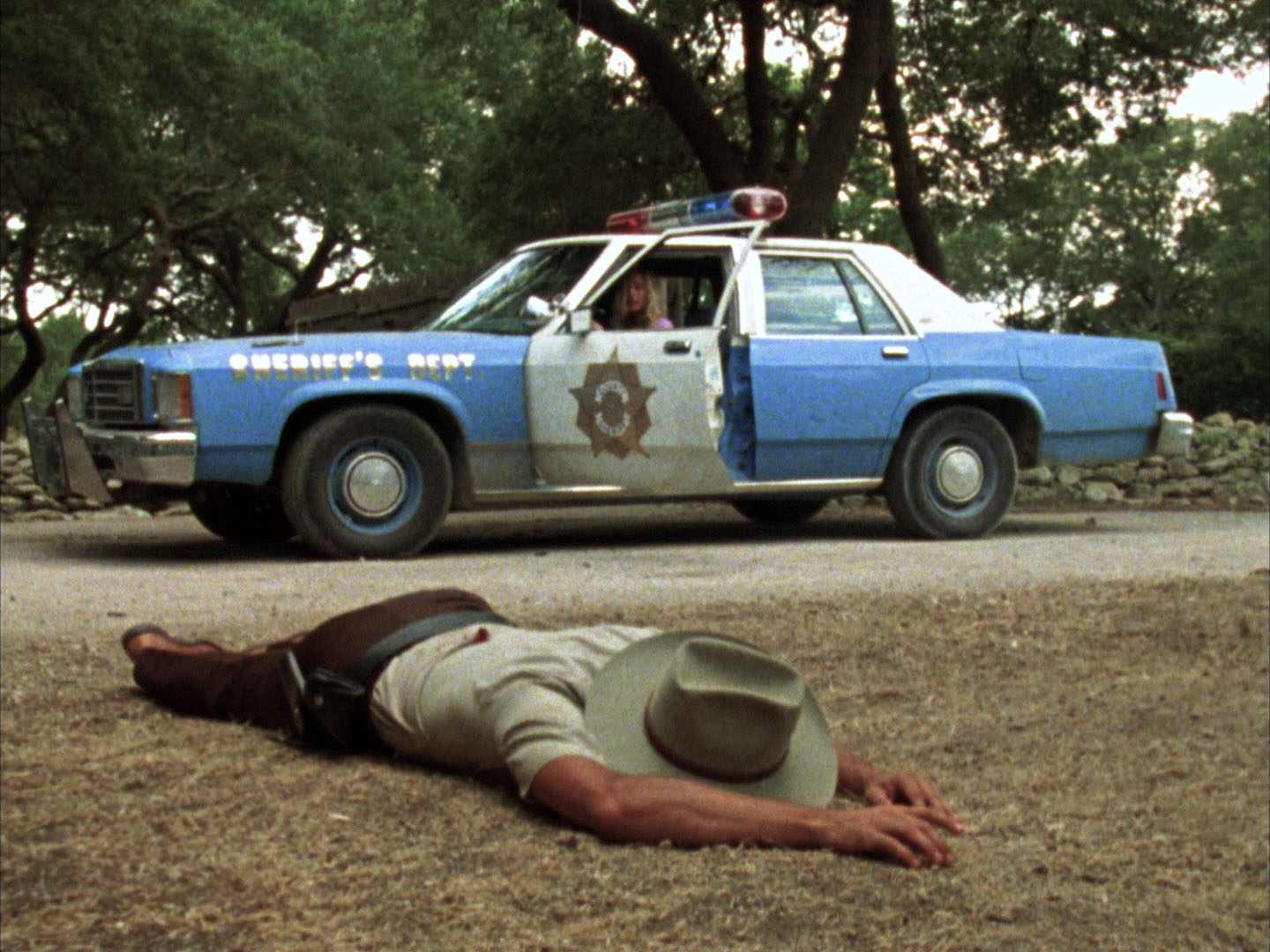
Captured on grainy 16mm film, the visual design undoubtedly compliments the grizzly tone of the atmosphere. Yet, the film is surprisingly restrained regarding its depiction of violence–never relying on a shocking display of gore and instead allowing the ambiance, acting, and score to create the disturbing elements even more so. The score utilizes a mixture of synths and thudding strings to contrive an incredible tension that hardly ceases during the vignettes. However, the use of ambient sounds can also create a similar tension–such as the use of a revving chainsaw in the distance becoming louder as their next victim grows closer to the murder scene of their last.
While all the performances in the film range from serviceable to admirable, the real standout is delivered by our protagonist, played by Robert A. Burns. Originally bought on set to oversee the special effects, the departure of the original actor in the lead role paved the way for Robert to give a remarkable on-the-spot audition–being cast instantly. Providing a multifaceted performance, Robert successfully maintains a tightrope of a simple, friendly character twinned with a cold, cruel, and dangerous individual with no moral compass or compassion–seemingly taking delight in the suffering and death of anyone unlucky enough to cross the path of him and his companions.
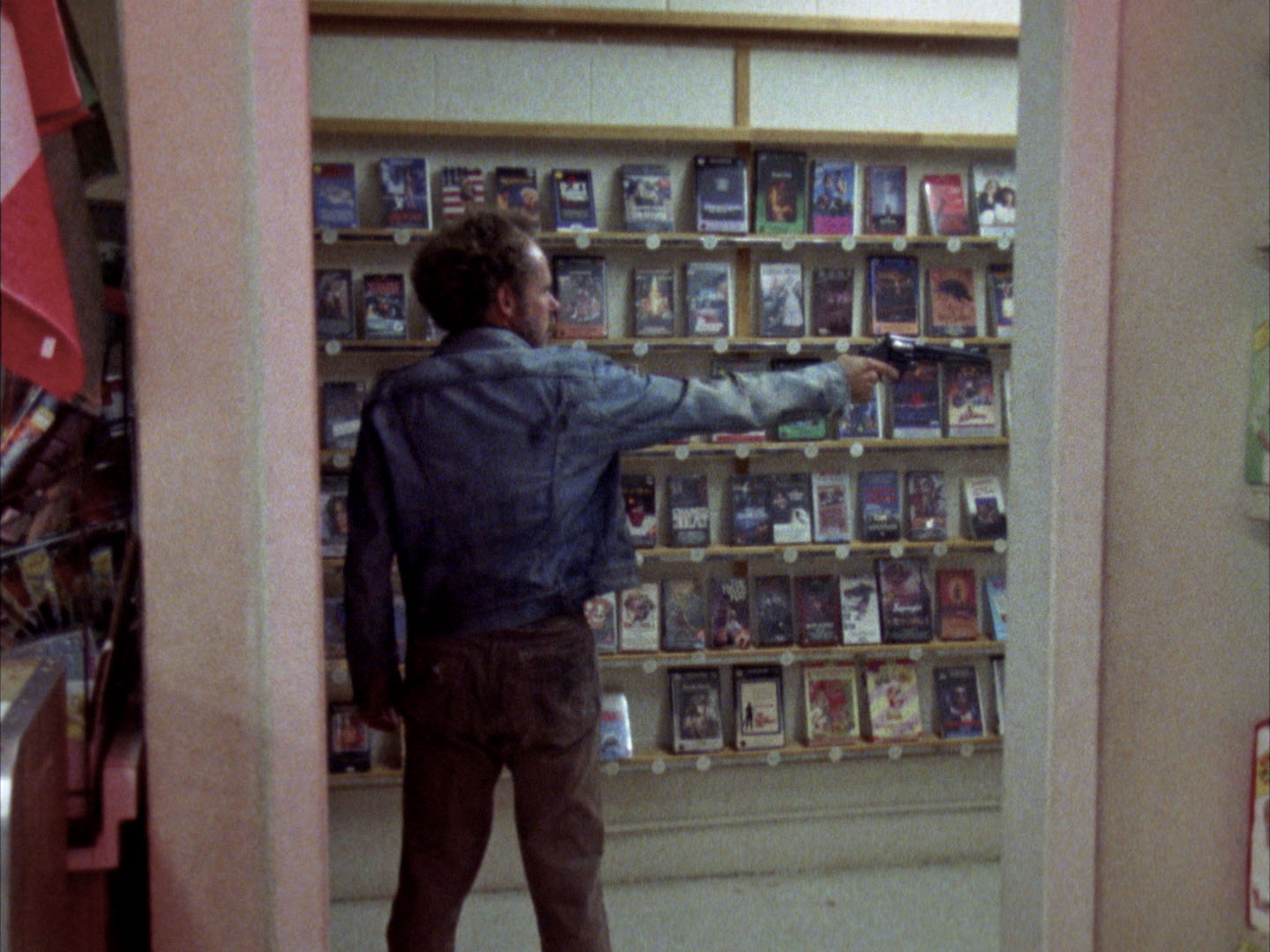
A gritty piece of violent exploitation, Confessions of a Serial Killer is undoubtedly a more faithful retelling of the crimes perpetrated by Henry Lee Lucas compared to the similarly themed Henry: Portrait of a Serial Killer. While both films take artistic liberties when it comes to accuracy, Confessions certainly contains more elements of the real-life case compared to its counterpart–feeling more like a biopic and a horror thriller with light similarities.
Confessions of a Serial Killer (1985) is available to purchase from Unearthed Films’ website here.
More Film Reviews
Evoking youth in serious horror narratives will always touch a soft spot for many; however, The Innocents not only brings a frightening scenario upon a small group of children, it… Explore the rural roots, occult creeds and cultural lore that continue to shape international cinema. The folk horror genre is as diverse as the countries, cultures, and eras in which… Satan War is a 1979 Satanic exploitation horror, written and directed by Bart La Rue. Whilst mostly known as a TV actor who had starred in over 20 roles, including… The film It (2017) surprised me. In fact, I saw it five times due to how much I enjoyed it! Unlike a majority of modern horror films, it focused more… Dagr (2024), by director Matthew Butler-Hart and produced by Fizz & Ginger Films, is the perfect found footage film: a labour of love from a small but incredibly talented creative… Invitation Only (Jue ming pai dui) is a 2009 Taiwanese extreme horror, written by Sung In and Carolyn Lin and directed by Kevin Ko as his first feature-length film. Kevin…
The Innocents (2021) Film Review – A Difficult Journey Into Childhood Violence
Woodlands Dark and Days Bewitched (2021) Documentary Review
Satan War (1979) Film Review – We Have Amityville at Home! [Fantastic Fest]
It (2017) Film Review – Reboot of a Stephen King Classic

Dagr (2024) Film Review – Found Footage Folk Horror That Slaps
Invitation Only (2009) Film Review – An Invitation You Cant Refuse

Hey there, I’m Jim and I’m located in London, UK. I am a Writer and Managing Director here at Grimoire of Horror. A lifelong love of horror and writing has led me down this rabbit hole, allowing me to meet many amazing people and experience some truly original artwork. I specialise in world cinema, manga/graphic novels, and video games but will sometime traverse into the unknown in search of adventure.