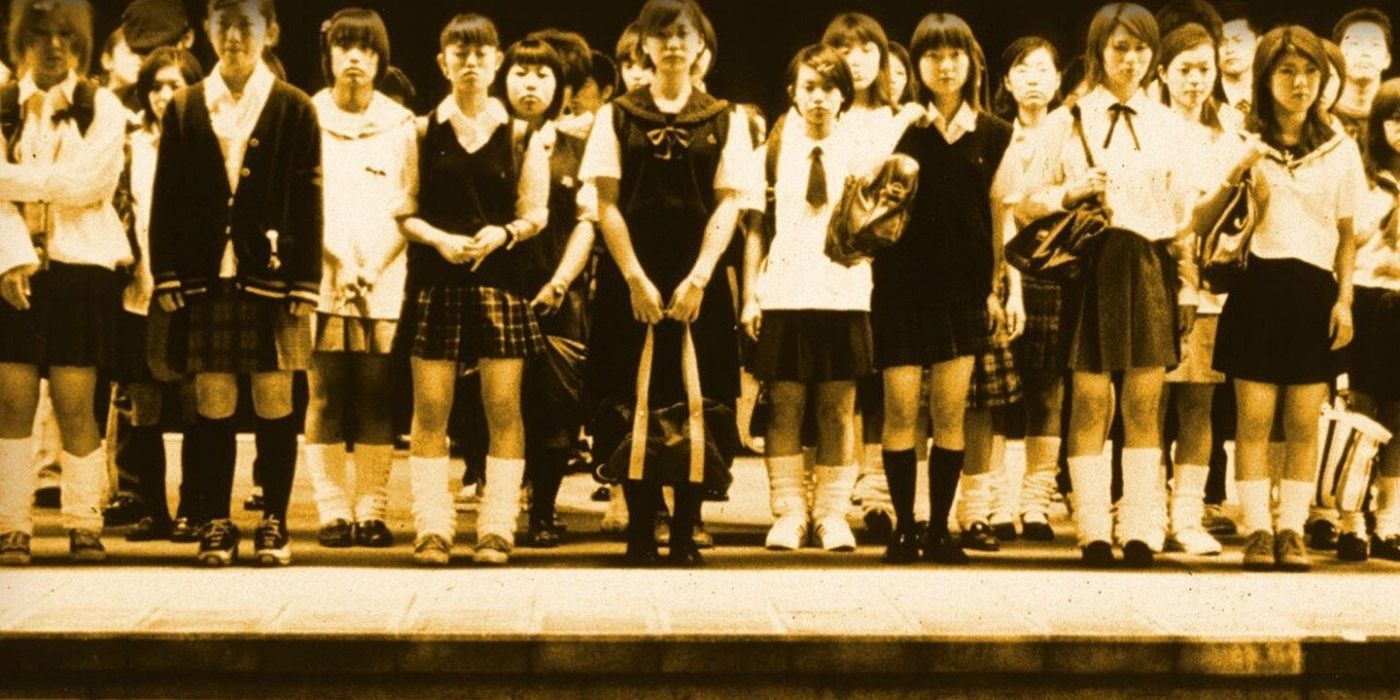
A young daughter, around four years old, watches a pop idol group cheerfully perform on tv with her father. Meanwhile in the kitchen, we see her mother dutifully preparing dinner, chopping up vegetables. The upbeat song audio continues as the daughter goes to check on dinner and ask her mother a question. The mom continues slicing the daikon radish, not stopping as she nears her fingers. She’s humming along to the song, not reacting as blood spurts, chopping her fingers along with the daikon. “Mom’s acting funny”, the little girl returns and tells her father, but they keep watching the tv performance as the rest of the hand is sliced away in the kitchen.
Such a scene with a cheerful song playing is not typical, but it distinguishes the various usages that score and soundtrack can have within the horror genre. Like any film, music plays an important role in Asian horror and extreme movies. It sets the mood of anticipation, sets us on edge, and tells us when to be scared.
Techniques common to horror films include tremolo, which is a “trembling”, sharp, and repeated striking of a note with some variation. Many wavering and sliding effects tend to be used. Other techniques such as dissonance, chord clusters, and lower scales paired with extremely high pitches, and the building of musical momentum also add to the atmosphere of tension and menace.
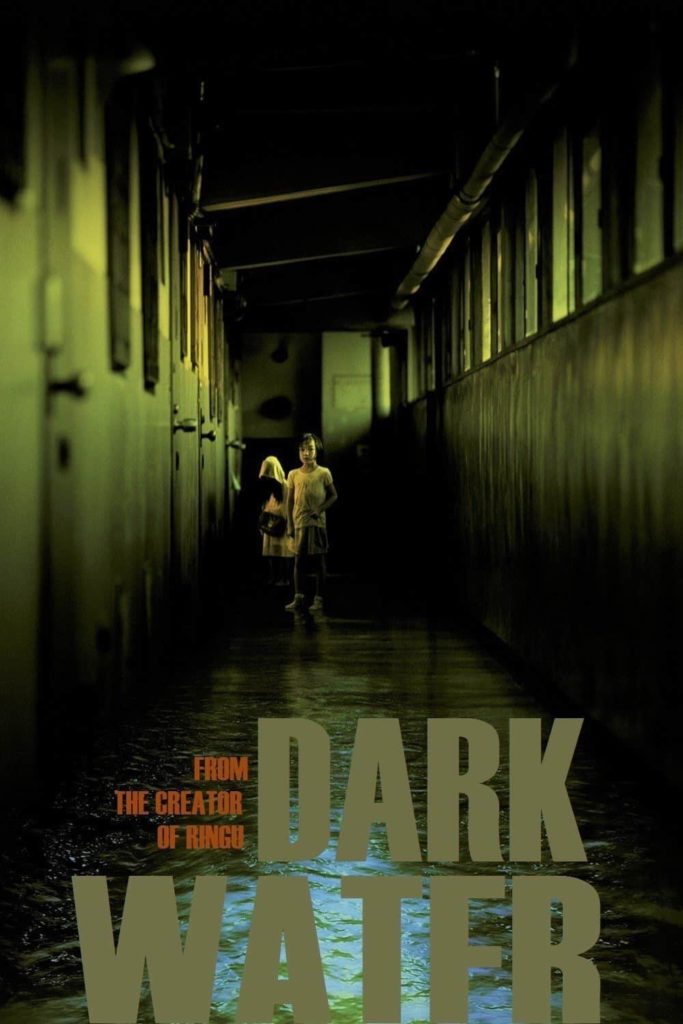
A frequently used technique perfectly at home in Asian darkly styled film that differs greatly from American ones is the mood of the credit songs. In American films, the songs are often dark as well, in order to preserve the effect on the viewer. However, in Asian films, the credit songs are virtually guaranteed to be hopeful, romantic, and pleasant pop songs. Why is this, you ask? Asian films tend to dig so deeply into the disturbing and taboo that the credit song simply shouldn’t preserve the mood in the same way, but try to lift one from the darkness instead. The credit song from Dark Water by Shikao Suga is the perfect example.
On the other hand, there are a few incredibly unconventional techniques for putting music to a film. Take the cult classic Suicide Circle, which opened this article. The director, Sion Sono, decided from the beginning that common horror music simply would not be accompanying his story. Instead, he chose to use a variety of odd techniques, including even pop music in the film itself, not just the credits. That’s right. A catchy, pre-teen all-girl band named Dessert was used. The scariest thing of all is how he ties the lyrics and the band’s music into the plot, so that superficially upbeat songs will downright traumatize you by the end of the flick.
Feel free to listen to “Mail Me” (our daikon radish song) or “Write Once”. They don’t sound very scary, do they? To start with, they are in major key, unlike most “horror” music, which tends to be in minor. They’re peppy, upbeat, standard radio fare. The scare lies within the uncertainty that the contrast between the mood of the song and the scene creates. Since we are so used to the traditional style of atmosphere, doing the opposite can be effective as well, and even to a deeper extent.
A different unconventional example is the lack of an official soundtrack altogether. Many of Kiyoshi Kurosawa’s films, such as Pulse, use silence and a few, well placed “sound-effects” where needed. The “sound effects” tend to be loud, sudden chords, and instruments imitating sounds created in reality, such as fluttering, creaking, etc. The silence creates tension in the same areas where music would typically be placed, yet it causes one to hold one’s breath and jump at the slightest sound. Takeshi Miike’s Box uses this technique as well.
Whether it’s pop music or sound effects, one can be nearly certain that if it’s Asian, it will have the right atmosphere for the job. Thank you for your attention. I hope this article has informed you of the different ways that music in horror can be used, some more unexpected than others.
More Film Reviews:

Infinity Pool (2023) Film Review: A Psychosexual, Phantasmagorical Nightmare
Despite having seemingly insurmountable shoes to fill, Brandon Cronenberg is proving himself to become a sophisticated auter with a deranged vision. His interest in pushing the boundaries and distortions of…
Brooklyn 45 (2023) Film Review – War is Hell
Is there such a thing as a good war? After World War I, the Allies left Germany in a state of defeat and despair. Consequently, one man used the disheartened…
![Baby Assassins: Nice Days (2024) Film Review – Children are the Future [Fantastic Fest]](https://www.grimoireofhorror.com/wp-content/uploads/2024/09/Baby-Assassins-cover-365x180.jpg)
Baby Assassins: Nice Days (2024) Film Review – Children are the Future [Fantastic Fest]
Baby Assassins: Nice Days is a 2024 Japanese action buddy comedy film, written and directed by Yugo Sakamoto. The film is the third installment of the Baby Assassins series of…

Evil Dead Rise (2023) Film Review – Maniacal Motherhood
The original electrifying Evil Dead burst onto the horror scene in 1981 and wrapped its spindly tendrils around the throat of passionate horror fans worldwide, keeping us on the edge…
Offseason (2022) Film Review: Wish We Weren’t Here
Offseason opens with grainy, nostalgic footage of beach holidays, set to a fairy tale musical score, before cutting sharply to a grey, desolate coastal shot, where cold waters meet unwelcoming…
Gaia (2021) Film Review: God is Real, and She’s a Fungus
Warning to those with mycophobia – this is not the film for you. Gaia is a South African ecological horror film, full of mushroom monsters, skin-crawling body horror and raving…
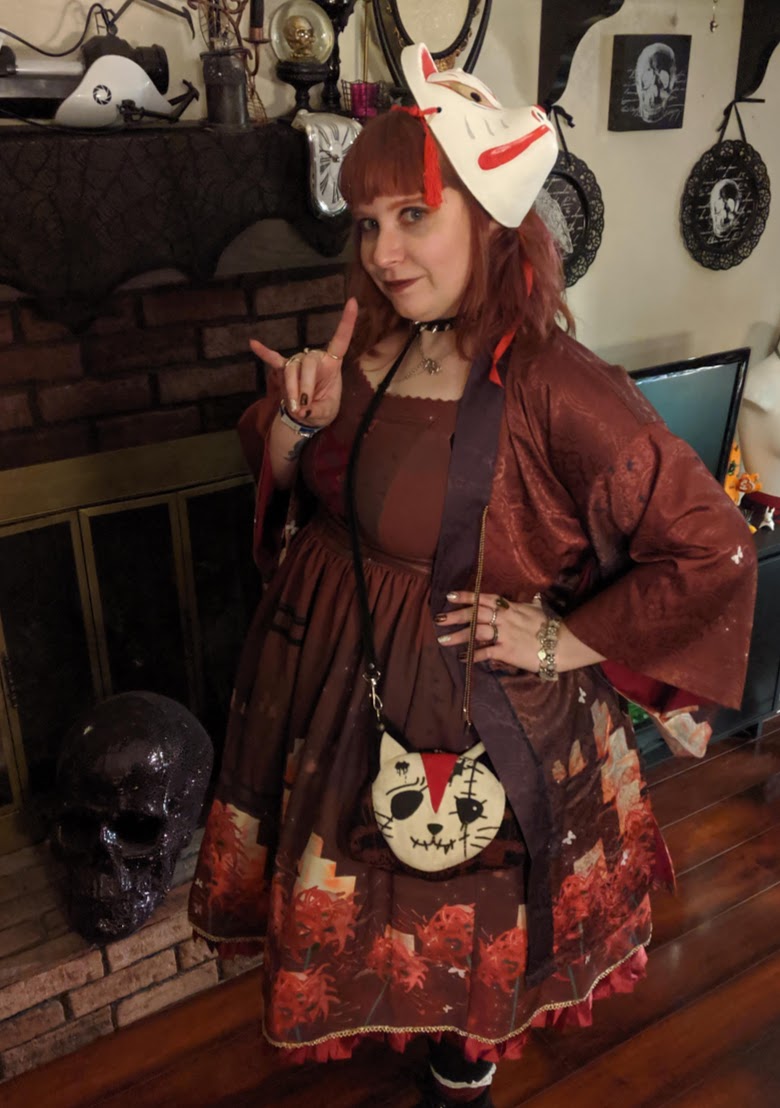
Hello, I’m Quinn. Saying I’m deeply into fashion and Japanese culture is an understatement. We’ve renovated entire rooms of our house to dedicate to my collections of lolita and other Japanese fashions. I enjoy balancing the cute with the macabre, and the more disturbing it is, the more I’ll enjoy it. Thus, my love for Asian horror and manga was born. Thank you for taking the time to read my writings. I look forward to discussing films and aesthethics with you!