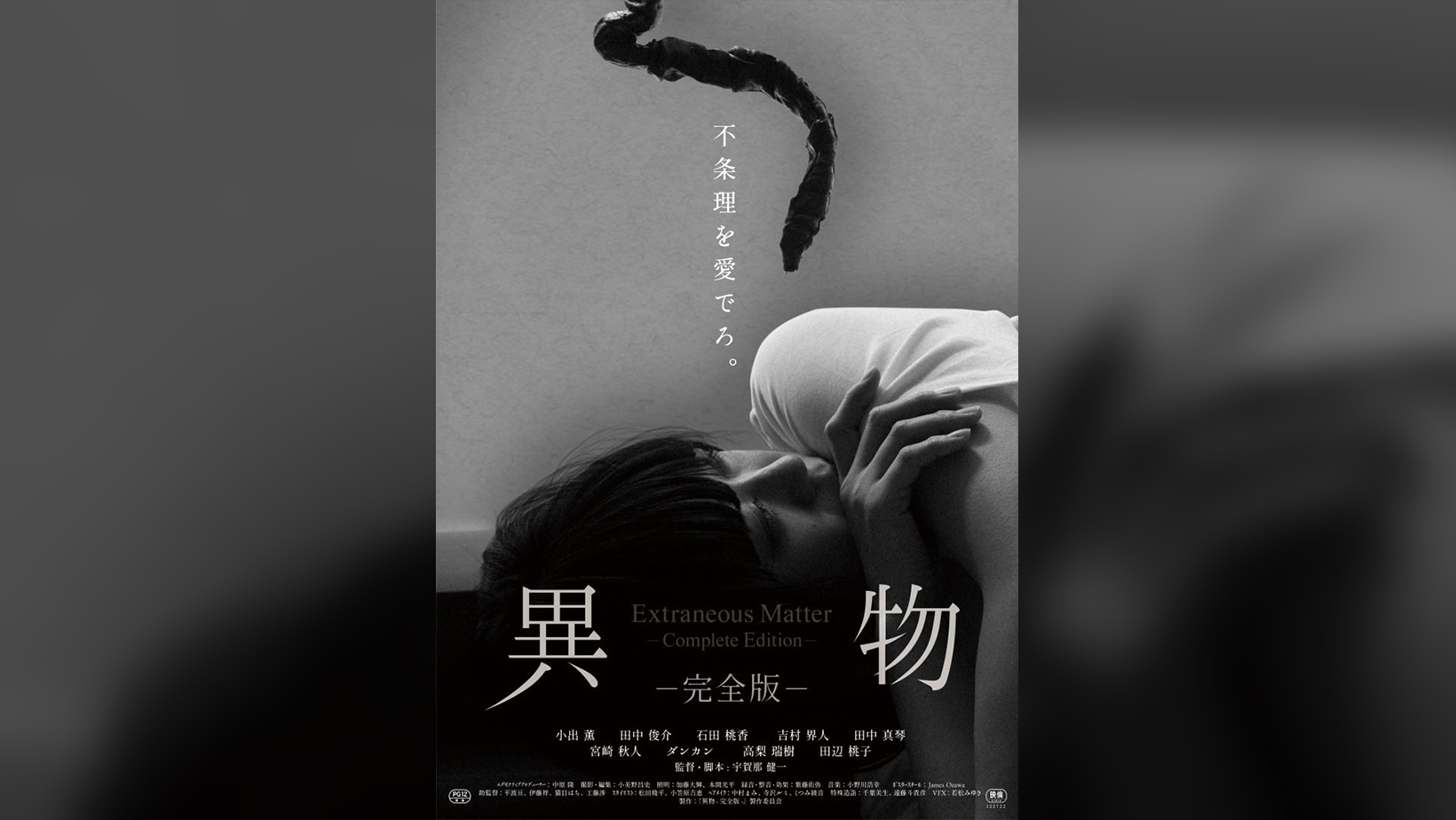





Extraneous Matter: Complete Edition (Ibutsu – Kanzenhan) is a 2021 Japanese horror drama film written and directed by Kenichi Ugana. Renowned for directing bloody horror, Kenichi is recognised as the creator behind films such as Visitors: Complete Edition (2023), the Japanese-Taiwanese collaborative horror The Curse (2025), and the upcoming Incomplete Chairs (2025). The film compiles four short films from Kenichi’s Extraneous Matter series.
Trapped in a dull and emotionally distant relationship, a woman discovers a strange, alien tentacle creature inside her home. Her encounter sparks a series of events as similar beings begin to appear across Japan.
Exploring relatable human drama amidst a quite outrageous premise, Extraneous Matter: Complete Edition successfully combines turbulent relationship issues with out-of-this-world tentacle monster action. While Japan is no stranger to shokushu cinema, with examples like the Urotsukidoji anime series and the adaptations of La Blue Girl and Angel of Darkness, the film notably lacks the rape and sexual violence often prevalent in the genre.
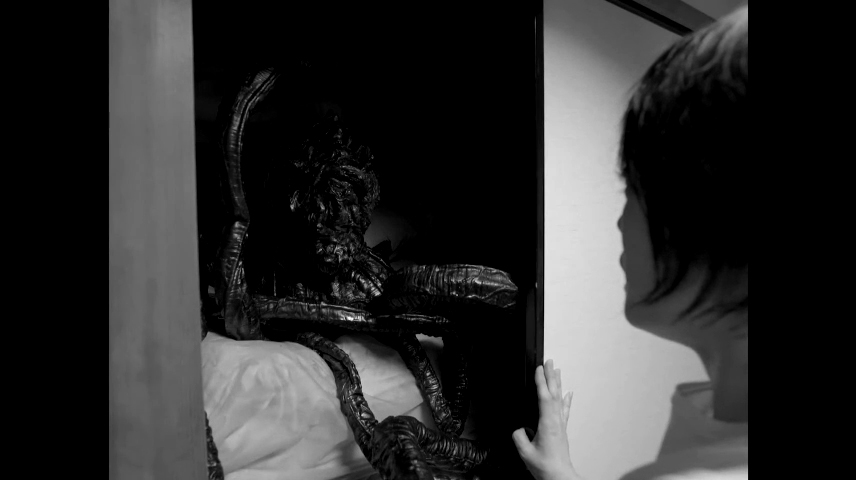
Instead, the alien creature is depicted more as a Lovecraftian ‘Hitch’, aiding those with troubled relationships in overcoming their issues with a helping hand (or tentacle). Although the film is highly sexual in tone, it is rarely overly graphic–with nudity kept (relatively) modest throughout. That said, the film does feature scenes of nudity, with several intense sex scenes interwoven through its vignettes.
Using entirely desaturated footage, Extraneous Matter: Complete Edition’s deliberate visual style is highly stylised throughout. The careful approach to shot composition allows the cinematography to slow the film’s pace, mirroring the monotony experienced by the characters. The extended, ambient shots of seemingly mundane moments, such as a coffee pot filling or dinner being cooked, help to emphasise a slice-of-life atmosphere. Additionally, the mix of wide-angle shots does a great job at establishing a scene, and tight close-up shots of characters help bring a personal attachment between the character and the scene.

Featuring intricately designed puppetry, the tentacle creature looks fantastic–utilising a H.R. Geiger-esque design similar to the Xenomorph from Ridley Scott’s Alien (1979). Furthermore, although the puppet itself is immobile, with any body movement consisting of being carried by another character, it still manages to be a highly kinetic presence through the movement of its multiple tentacled limbs.
Punctuating Extraneous Matter: Complete Edition with a mostly ambient score, the use of environmental background noise, subtle low drones, as well as a few instrumentals to bracket the later vignettes, does an exceptional job at delivering a character-driven tone to a scene. That notwithstanding, the film employs a more imposing use of music during the several sex scenes–employing a harsher, synth-heavy industrial noise soundtrack that certainly juxtaposes the slice-of-life narrative elements and atmospheric score.
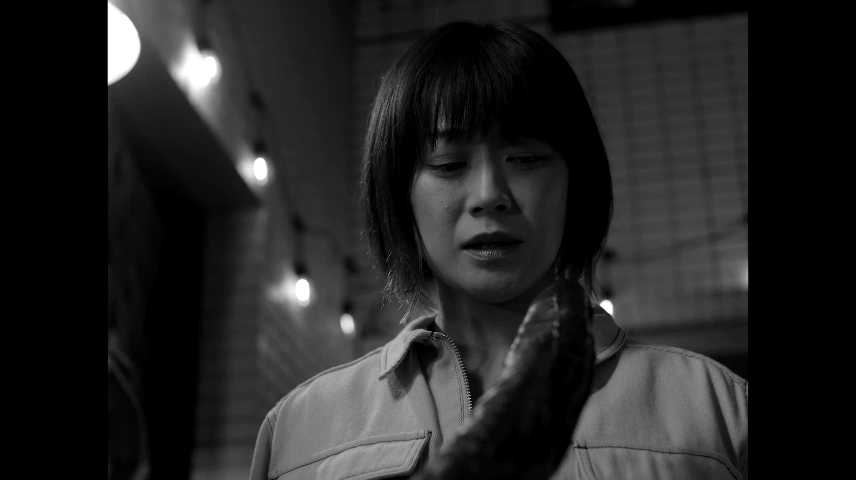
Daringly idiosyncratic, Extraneous Matter: Complete Edition is an unconventional exploration of emotional stagnation, combined with an outlandish sci-fi twist, to create a wholly unique piece of cinema. With its stylish visuals, outstanding puppetry, and fantastic performances from the cast, the film is a remarkable exhibition of Kenichi’s audacious creativity, which defies categorisation.

More Film Reviews

Devil Story (1986) Film Review – What a Lovable Lump of a Man
Resurfacing from the depths of the 80s, Devil Story is an idyllic pick for 2021 Fantastic Fest, courtesy of the good folks at Vinegar Syndrome. A showcase of inept filmmaking,…

Hocus Pocus 2 (2022) – Film Review From a Devoted Fan
Love It or Hate It, The Sanderson Sisters Are Back! The reviews are in, and I think we all knew they’d be divided. Hocus Pocus (1993) is a cult classic…

Crazy Thunder Road (1980) Film Review – Cyberpunk Biker Action
Jishu eiga, abbreviated from jishu seisaku eiga and translating roughly to “autonomously produced”, is an elusive, self-sufficient form of filmmaking popularised during the decline of mainstream Japanese cinema around the…
Revisiting Dreamcatcher: Bros in the Woods on an Oxy Trip
Oh, the level of alleged and legitimate prestige Dreamcatcher boasts – directed and co-scripted by Lawrence Kasdan (Body Heat) with the help of William Goldman (Marathon Man) from a novel…

Neu Mirrors (2024) Film Review – Whom is it Starring Back
Neu Mirrors is a 2024 Japanese short horror film written and directed by Keishi Kondo. The film is a direct sequel to Keishi’s 2022 feature-length horror drama New Religion (2022),…

Alpha Male (2022) Film Review – The Absurd Temple of Bromanity!
Struggling to quit smoking, Piotrek’s fiancée signs him up for a course at an institute focused on providing help for men. However, after a room mix-up, he finds himself in…

Hey there, I’m Jim and I’m located in London, UK. I am a Writer and Managing Director here at Grimoire of Horror. A lifelong love of horror and writing has led me down this rabbit hole, allowing me to meet many amazing people and experience some truly original artwork. I specialise in world cinema, manga/graphic novels, and video games but will sometime traverse into the unknown in search of adventure.