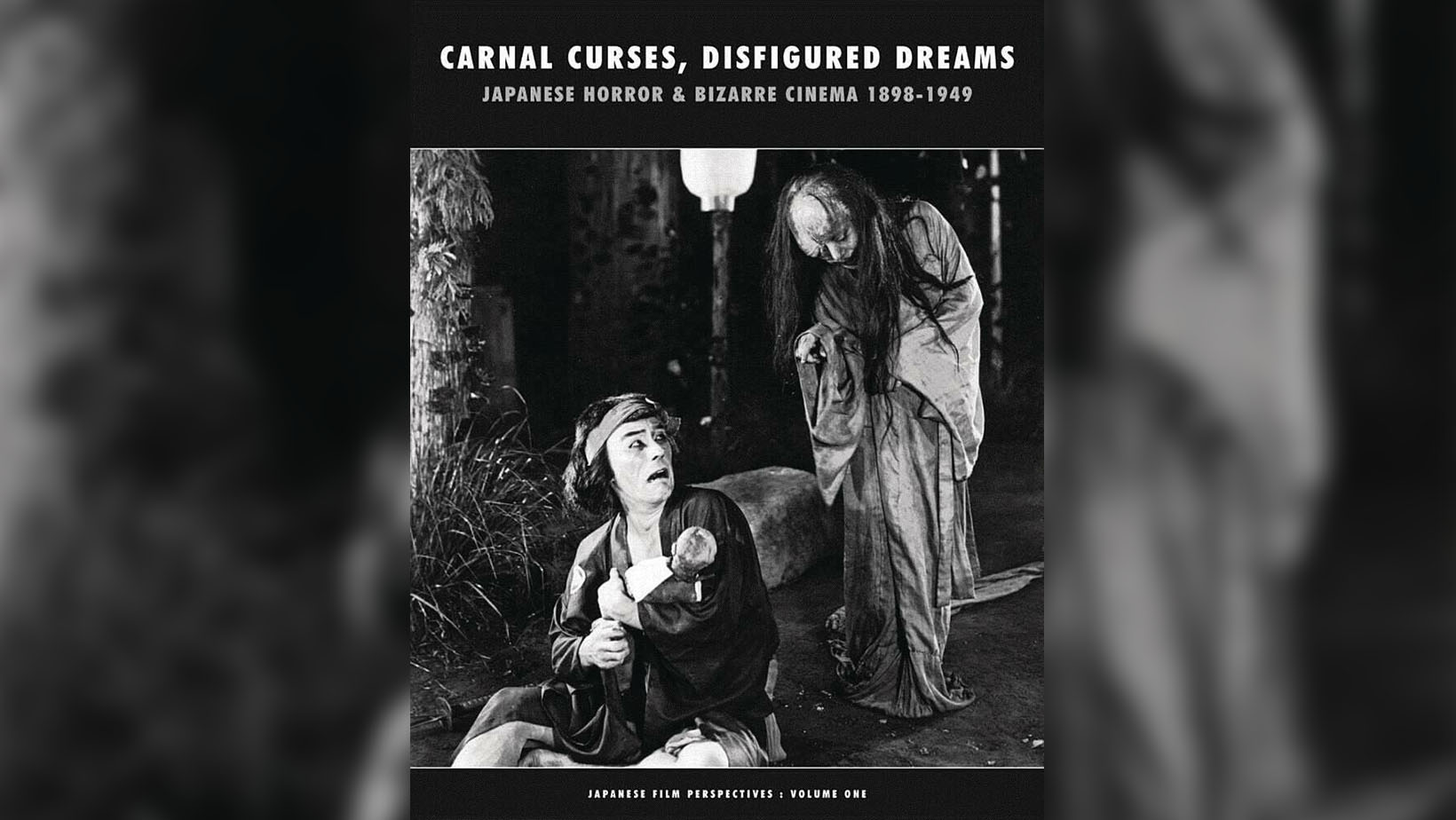




Zombies, vampires, mechanical men, mad scientists, monsters, killer apes, living statues, ghosts, demons – all the iconic figures of bizarre cinema can be found in Japan’s early film output, filtered through that country’s unique lens of culture and myth. Carnal Curses, Disfigured Dreams from Author: Kagami Jigoku Kobayashi lists over 500 films in a detailed, chronological filmography, includes over 30 woodblock print illustrations, reproduces 65 extremely rare film production photographs and posters, most of which have never been published before, and concludes with an index of all films referenced in the text.
This new book from publisher Shinbaku Books, who have published numerous interesting and similarly themed material about folktales and yokai, tackles, what I believe to be, their first reference book on film, specifically the scant known and mysterious output of Japanese genre and horror films from the late 19th-century up to immediate post-war Japan. With the country historically in turmoil during this period, it is understandable that so much information, and especially the films themselves are unfortunately lost in time. The book does its best to catalogue what is known about these films based on surviving materials in museums and collections, but in many cases, not much is known aside from plot details and cast and crew credits.
A real piece of reference material, the book has the titles laid out alphabetically and chronologically, using romaji translation, with associated information attached. While a number of listed films have short plot details only, some more notable, and probably more complete listings delve deeper into a film. While the early days of Japanese horror are quite similar to the Western world’s take, Edison’s Frankenstein being an early adaptation, the Japanese using many kabuki plays, most notably those with supernatural elements ties what we love about fear in fiction to the early days of an artistic medium. For films listed without much in the way of surviving visual media, kabuki prints are used to give an idea about what the film may have contained in terms of visuals or tone. This is alleviated much more as we get towards the end of the explored period with a considerable increase in movie posters, production stills, and promotional art being reproduced for this publication. Indeed, dozens of great B&W photos pepper the book, and the growth of the industry can be seen as the familiar holdings of mid-century Japanese horror cinema begin to appear.
A terrific resource, Carnal Curses, Disfigured Dreams is a wealth of information delivered in a straightforward and easily referenceable way. The only real downside to it all is the very real inaccessibility of 95% of these films to an English-language audience. With the time period making a huge chunk of these movies lost in time forever, even to Japanese audiences, the book is a fascinating look at history but also bittersweet with how so many of these spooky stories have faded into history itself. Still, this is an amazing book and worthy of being on the shelf of Japanese horror aficionados or fans of film history.
More Book Reviews
Chuck Wendig’s novel Black River Orchard (2023) is a truly modern, small-town horror, evoking the best of Stephen King while summoning dark, twisted, and disturbing imagery that makes this story… From Reddit’s NoSleep forum to Mr. Creepypasta’s reading on Youtube to now, Stolen Tongues has gained its following of horror fans during its development. When I first heard Stolen Tongues… What’s fun about trying out horror books from indie authors is that you get to find new reads that stray off the beaten path or stuff that goes beyond what… When I first held the novel The Devil’s Whispers in my hands, I was immediately thrilled to see the influence of classic horror. Lucas Hault not only promises to entertain… Eric Schaller’s latest anthology, Voice of the Stranger, starts with a foreword exploring the birth of its title. Deftly put Schaller explains, “The title for my collection is taken from… Created as a response to criticism levied at queer writers – often by queer readers – The Book of Queer Saints comprises 13 gorgeous, gruesome tales of queer victims and…
Black River Orchard (2023) Book Review – Gore to the Core
Stolen Tongues by Felix Blackwell (2017) – Book Review

THE TERROR AT TURTLESHELL MOUNTAIN Book Review: A Bloody Rollercoaster Ride Served with a Smile
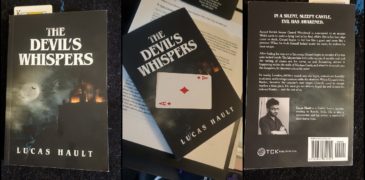
The Devil’s Whispers by Lucas Hault – Book Review

Voice of the Stranger (2023) Book Review: An Unsettling, Intoxicating Voice in Horror Literature
The Book of Queer Saints (2022) Book Review – 13 Tales of Vengeance, Villainy and Victims