




In the middle of a pandemic, times are hard for Eula Baek and the restaurant she inherited from her grandfather. A plan to get some rare truffles to help raise money goes wrong thanks to a greedy partner, and the dangerous recluse they’ve angered is now out for blood. Trapped miles from civilization, hunted, secretly pregnant, and still facing financial ruin if she can’t get the truffles she came for, Eula is in for the fight of her life.
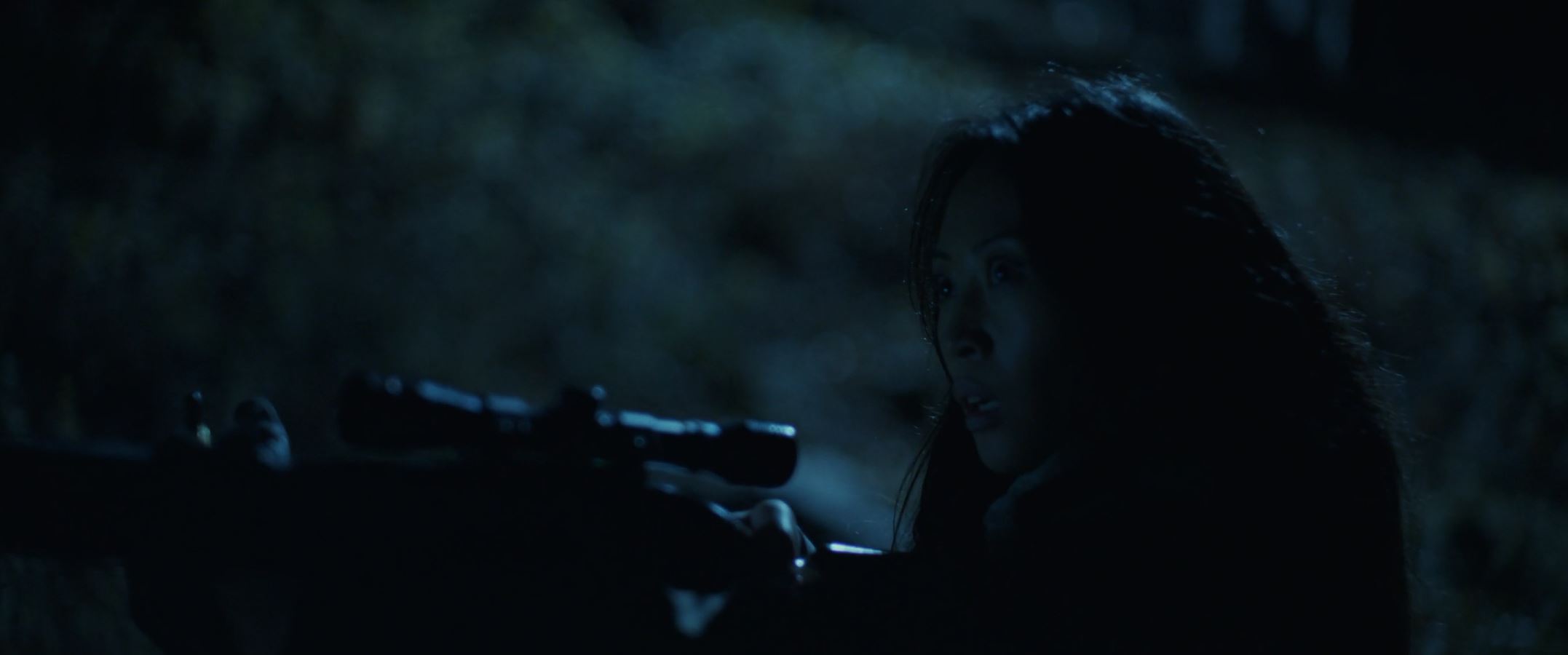
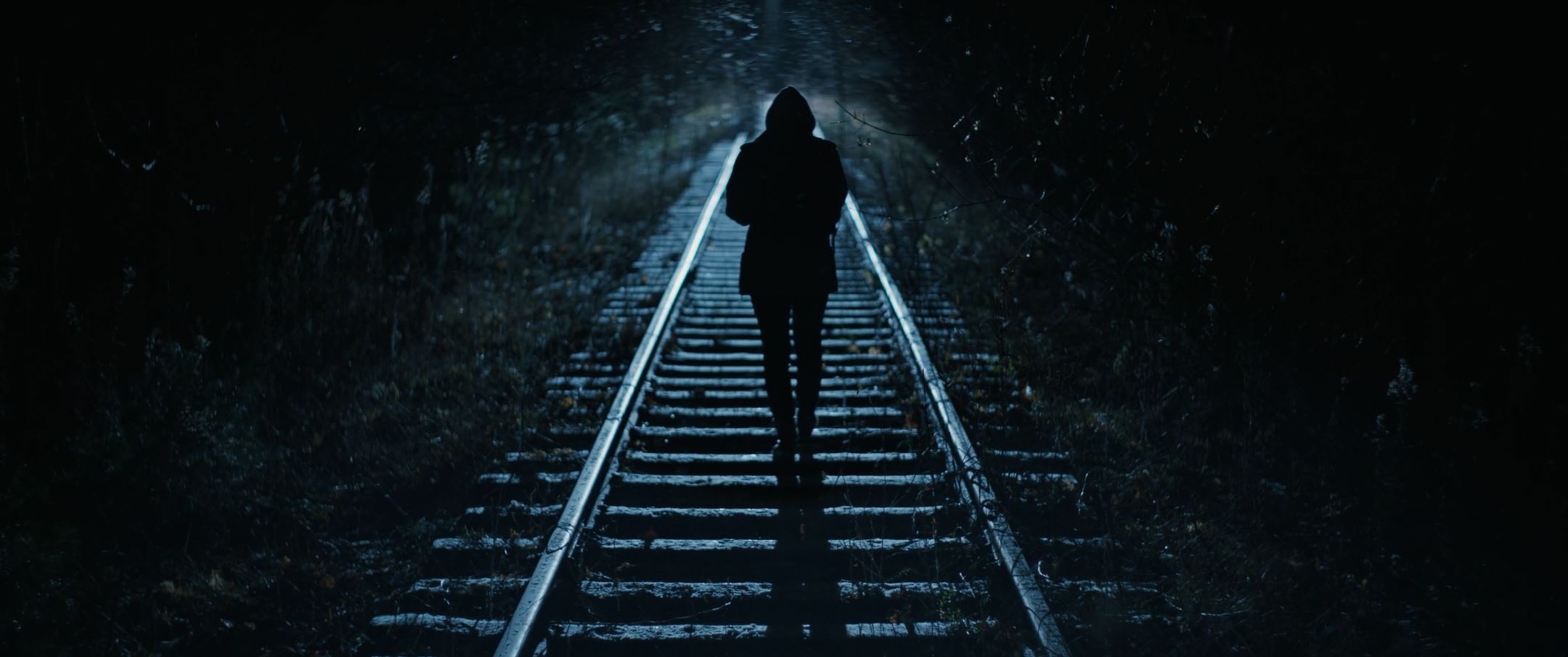
Everything in Peppergrass (2021) is more than competent, even downright beautiful as it explores the wilderness, but it comes with a catch: this is a very stripped-down project. It has an exceptionally small cast, and very little happens across the runtime. The location managers may be the real stars here, masterfully picking out a stunning setting to make the most of a low budget. A lot of time is spent in remote isolation, which could have been consistently dull except that a huge amount of talent went into making the remote isolation interesting to explore. The rest of the crew is equally impressive, with some stunningly well-shot night scenes to enjoy here. Night shoots aren’t easy to execute, and the team has managed to capture a lot of natural beauty in the darkness.
With only five actors, what cast they do have here need to carry a lot of weight. The lead Chantelle Han, especially, has a lot of screen time where she is quite often alone. Han thankfully does manage to give a strong performance, with so much resting on her portrayal the film could have been unwatchable in less capable hands. The message of Peppergrass is a simple one of greed and desperation, something the lead needs to work harder with to elicit empathy from the audience for. Han is up to the challenge, but Charles Boyland as her partner in crime Morris is far less sympathetic of a character. This is more a story necessity than a failure though, he makes a chaotic counterpoint to the lead and his reckless behaviour leads to the inciting incident. Michael Copeman as the antagonist is near enough a stoic slasher villain in how little dialogue he has, but he brings a strong aggressive edge to his physical performance which doesn’t need any words to be threatening. Arguably he needed to be used more, the remaining supporting characters don’t add much to the story and some extra near misses with Copeman’s paraniod recluse could have been what the movie needed to be more engaging.
Peppergrass (2021) is firmly placed in thriller territory as there simply isn’t enough of a scare factor to give it a horror pedigree. It never quite gets extreme enough to reach the level of ‘terror’, although there are still some points of interest here for horror fans. The initial building of tension is odd but curiously effective. There’s a set up and pay off that is never quite conventional enough to feel stale, which then hits a satisfyingly inciting incident that truly sets the plot in motion. The problem it then finds itself with is a remarkably slow pace. To call this film a “slow burn” is an understatement; it’s a glacially sedate wilderness survival for the most part. It’s beautiful while doing so, but this is a film built out of quiet contemplative moments rather than raw adrenaline.
There’s a potentially contentious decision made here, and only time will determine if they made the right call. A driving force and frequent point of conflict is that Peppergrass is set during a pandemic. The disease is unnamed, but it’s somewhat obvious where the inspiration for this came from. Although the pandemic itself is not a key part of the plot, it could have been written as something else. The question consequently becomes- will the shared experience resonate with an audience? Or, will it instead put people off who simply want some escapism? If nothing else, it currently seems to use the ongoing real world issue as an underlying plot point, so it will be down to each individual to decide if this is a deal breaker or welcome catharsis.
If you are in the mood for something slow and thoughtful, then familiar plot points are being done just differently enough to make Peppergrass a rewarding watch. Unfortunately, this is so exceptionally slow that it risks losing a lot of viewers in the quiet mid-section. Everything Peppergrass does could probably be done in an hour, with a lot of that slow scenic exploration feeling like padding to reach the 90 minute mark. This is far from a failure with the team, however; they have created something they should be proud of, but it doesn’t quite do enough to work as a full hour-and-a-half feature.
We watched Peppergrass as a part of the Blood in the Snow Film Festival.

More Film Festival Coverage
Opening with an awkward family greeting before a Christmas Celebration, The Uncle is familiar to those who have pushed through awkward gatherings. However, the sinister undertone of the film is… George Carlin has a great routine about the nature of prayer. It can’t be done justice here, though it does arrive at the conclusion that God must have an awful… So, has Dario Argento finally made a real comeback? Is it any good? Yes, he has, and yes it is. Just in case you don’t know with whom we are… “Tick … Tock … Tick … Tock…” If you’re old enough to remember, video stores were most often our method of finding films that we might have otherwise never heard… Fishing doesn’t have the best reputation in fiction. Going off literature and film and Dick Cheney, one gets the impression it’s boring, it’s vaguely cruel, and it mostly serves as… Farley Wilder is the local peeping tom in a small New Hampshire town, where his reputation has earned him the interest of a writer, Scarlett, and together the two begin…![The Uncle (2022) Film Review – The Best Family Traditions Are Forged Through Fear [Fantastic Fest]](https://www.grimoireofhorror.com/wp-content/uploads/2023/09/The-Uncle-2022-review-365x180.jpg)
The Uncle (2022) Film Review – The Best Family Traditions Are Forged Through Fear [Fantastic Fest]
The Righteous Film Review: Fantasia Festival 2021

Dark Glasses (2022) Film Review – Dario Argento’s Comeback

Dawn Breaks Behind the Eyes (2021) Film Review – A Psychedelic Gothic Horror Acid Trip
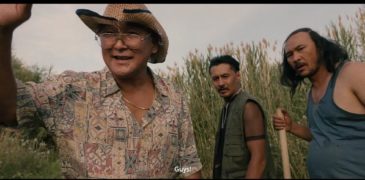
Sweetie, You Won’t Believe It Movie Review – Fantasia Festival 2021
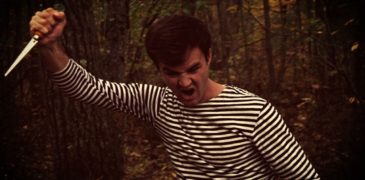
Freaky Farley (2007) Film Review – The Perverted Hero We All Need
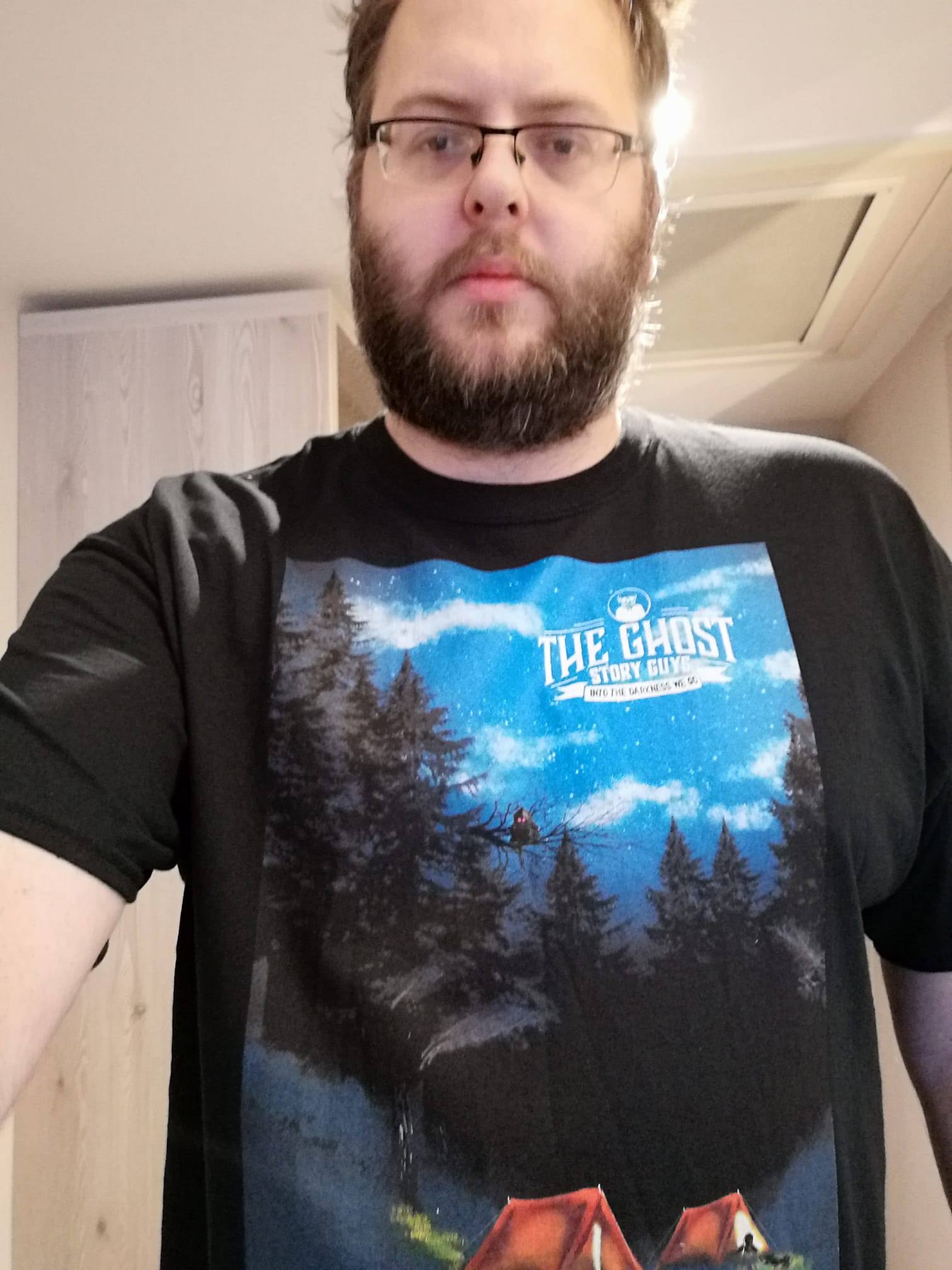
Luke Greensmith is an Editor at the Grimoire of Horror and an active folklorist as well as working in film across a few roles. While this can cover quite a wide range of things, he’s a dedicated horror fan at heart and pretty involved with horror communities both online and local to him. You can find their folklore work on the Ghost Story Guys Podcast, their own LukeLore podcast, and accompanying the artist Wanda Fraser’s Dark Arts series as well as on the Grimoire of Horror itself.