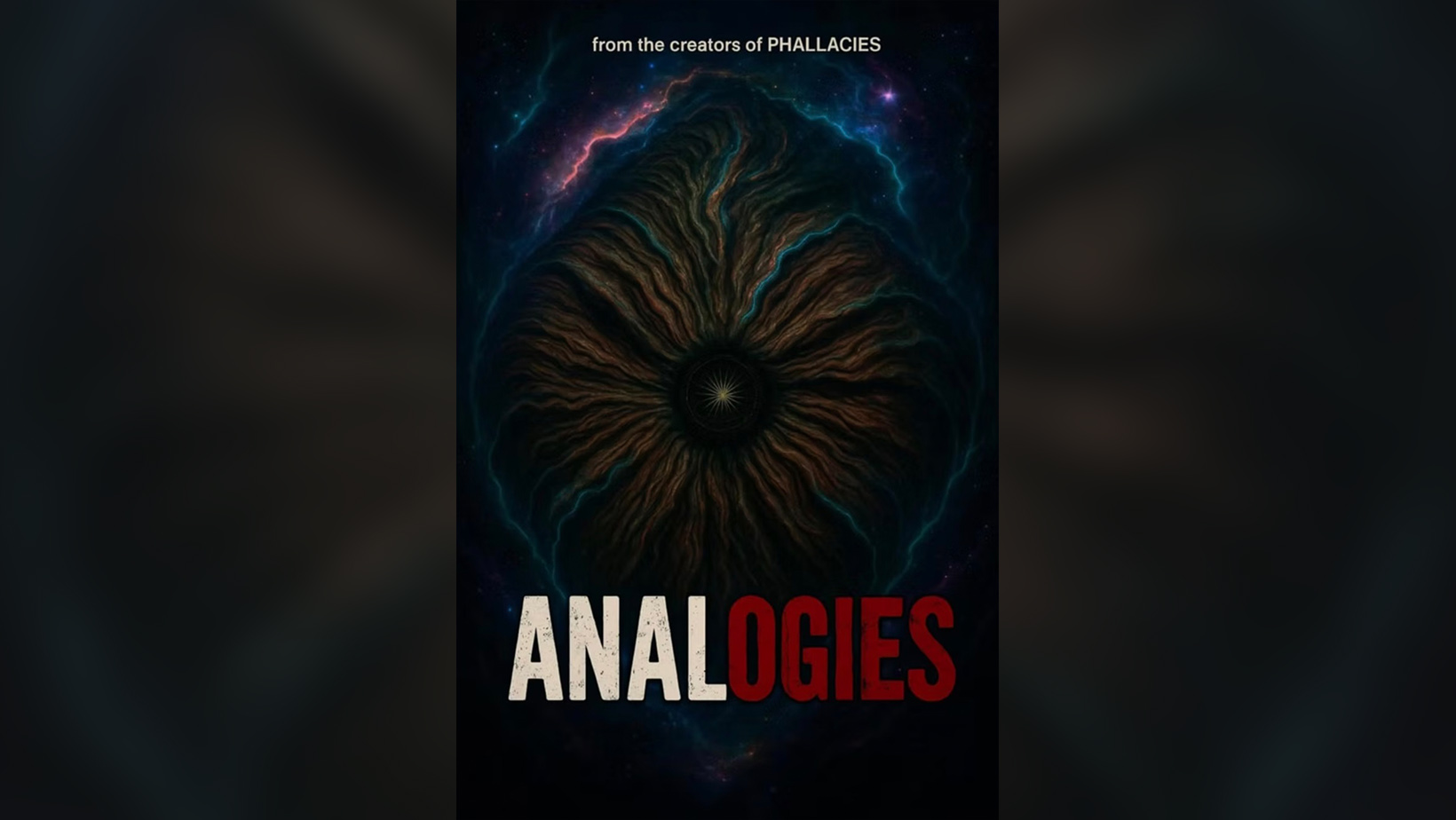





Just when you thought Phallacies broke the final taboo in art, filmmakers Domiziano Christopharo and Jon Devlin have returned with another horror anthology film, ready to push the boundaries of art with their “back-door” approach to cinema. This time, their gaze is focused solely on the final frontier of the human body in an unflinching, bareback analysis of humanity’s least explored orifice. So, sit back, relax, and take a deep breath as we boldly go where few dare to venture, the anus.
Analogies is a 2025 anthology horror film, featuring work from directors Tibor Astor, Domiziano Cristopharo, Jon Devlin, Adam Ford, Peter Lankston, Emanuelle Marchetto, and Jake Valentine. “This is not pornography. Not provocation for provocation’s sake. This is art that confronts the obscene, breaks it apart, and reassembles it… because there is no beauty without freedom. Welcome to a new manifesto of the body. Dirty, desiring, political, ours.”
Just Breath – Directed by Emanuelle Marchetto
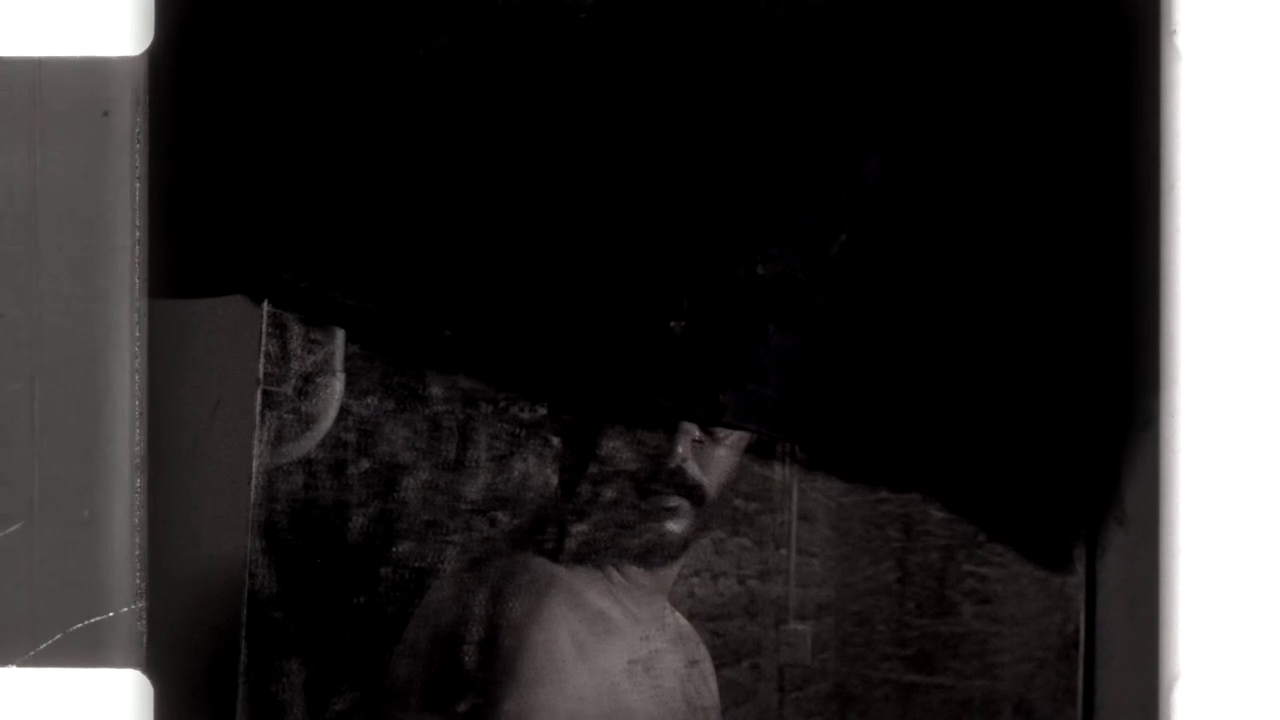
A man is haunted by a horrific, recurring dream
Featuring a fantastic blend of cinematographic styles, Just Breathe intuitively transitions its visual style from a modern design to black and white 8mm footage in a 4:3 ratio, effectively representing its dream sequence. The dank, confined corridors, tight camera angles, and deep, contrasting blacks create a strong sense of claustrophobia within the segment’s short runtime. Though from a narrative perspective, the short implements a definitive style over substance. The loose plot serves more as a means to deliver the stylish visuals than to impart an in-depth story. While usually seen as a negative, the cursory narrative allows for the visuals to take centre stage–working well for the short overall. Additionally, the director, Emanuelle, gives a decent performance as the protagonist, delivering a realistic depiction of unease and distress.
Defiled – Directed by Jake Valentine
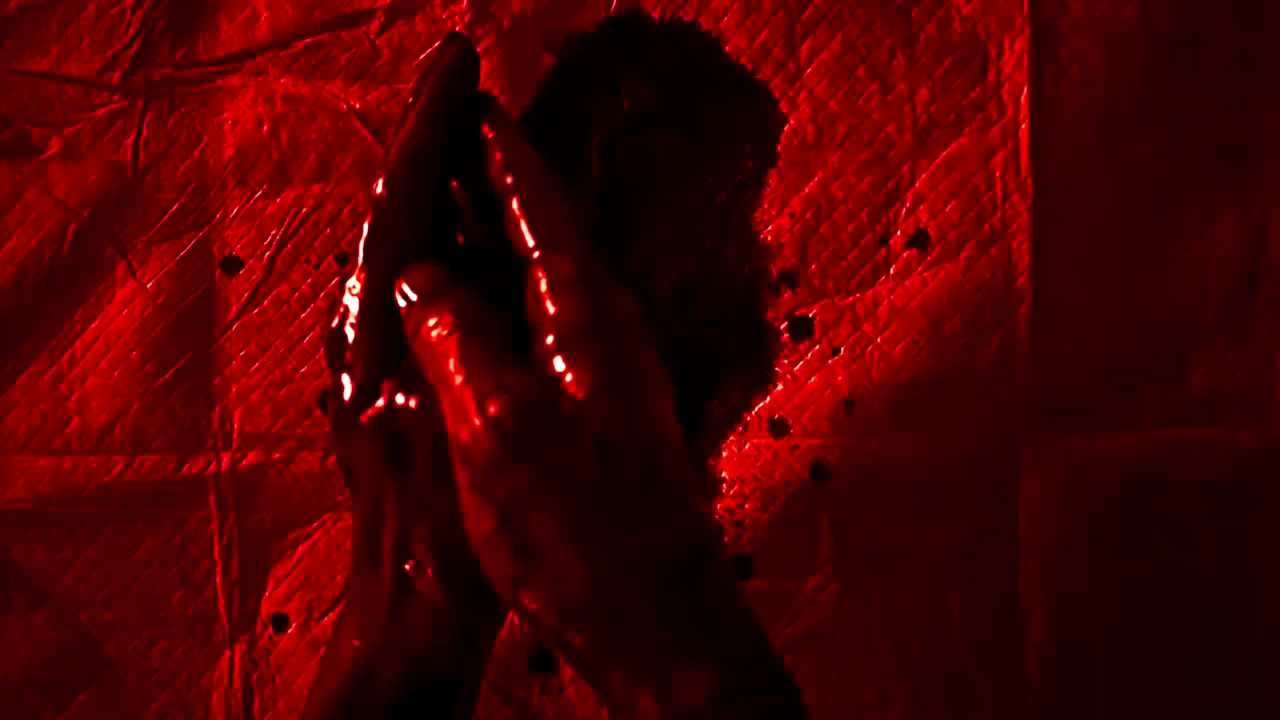
One of the more visceral shorts in Analogies, Jake Valentine delivers a visually striking depiction of desecration in his interpretation of the themes. The bold visual design of vivid red colour drenches scenes in a palpable apprehensiveness, compounding the effects of the short’s narrative. While providing efficient scene illumination, this colourisation also provides a lack of exact clarity–naturally obscuring the visuals due to our eyes’ lack of sensitivity to red lighting. When twinned with the constant fluctuation of strobing lighting, the visual design. Furthermore, the short’s score, mostly composed and performed by Valentine, creates an uneasy environment through its distorted ambience that soon erupts in a cacophony of intense industrial drones–transforming this apprehension into realised dread intrinsically.
Celestial Seed – Directed by Jon Devlin
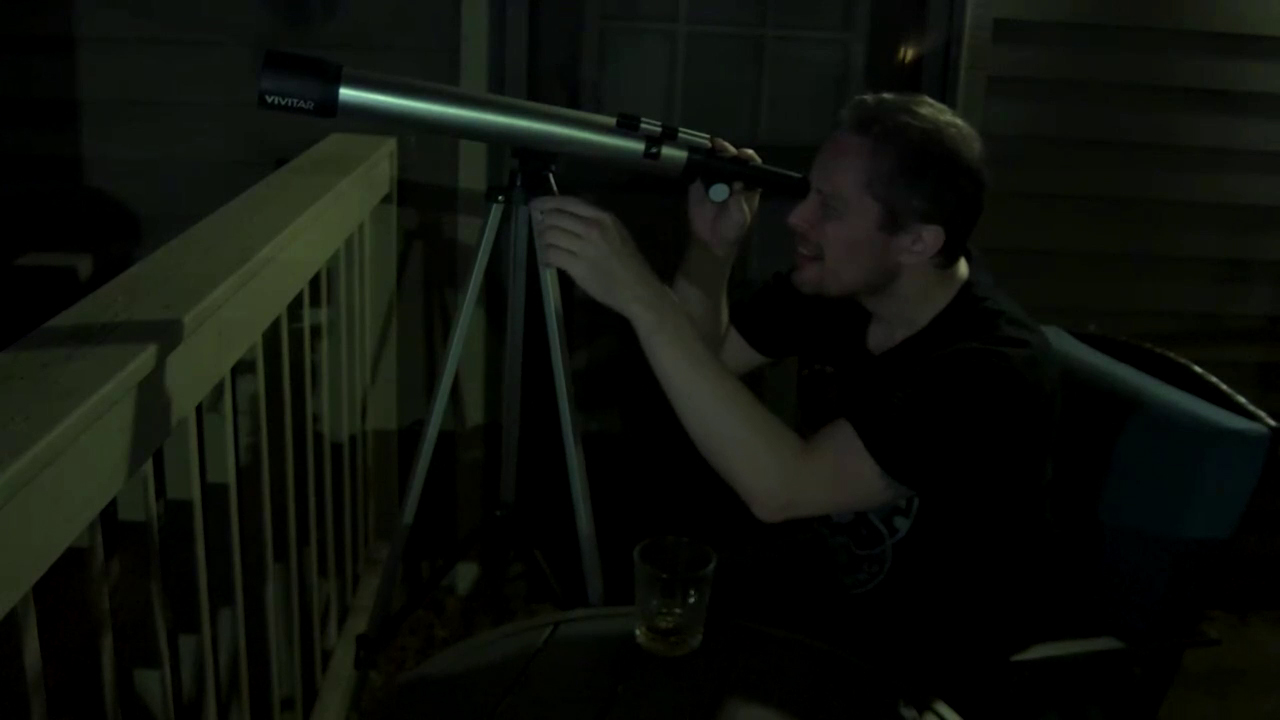
While mourning the death of his wife, a man is visited by an otherworldly being.
Inspired by low-budget sci-fi films of the 1950s and 1960s, the short’s first act is a hokey homage to the quirky undertones that were prevalent during this period. The constant alternation of the rising and falling, theremin-heavy synth score, and liberal use of vibrant coloured lighting are certainly indicative of this golden age of science fiction. However, the sequential acts veer away from this traditional sci-fi style and into fetish territory with the introduction of alien tentacle rape. Though it offers the antithesis of the usual showcase, reversing the typical gender roles with the male being the one assaulted, with its exploration of anal probing, pegging, FemDom, and even male-based oviposition. However, rather than depict these scenes with a straight-faced expression, the comedic undertones bleed through with the implementation of stereotypical 70s porn music that somewhat detracts from its impact overall. Nevertheless, Celestial Seed is still an intriguing piece of Speculative Fiction that explores the outer realms of the genre.
Last Passage – Directed by Tibor Astor
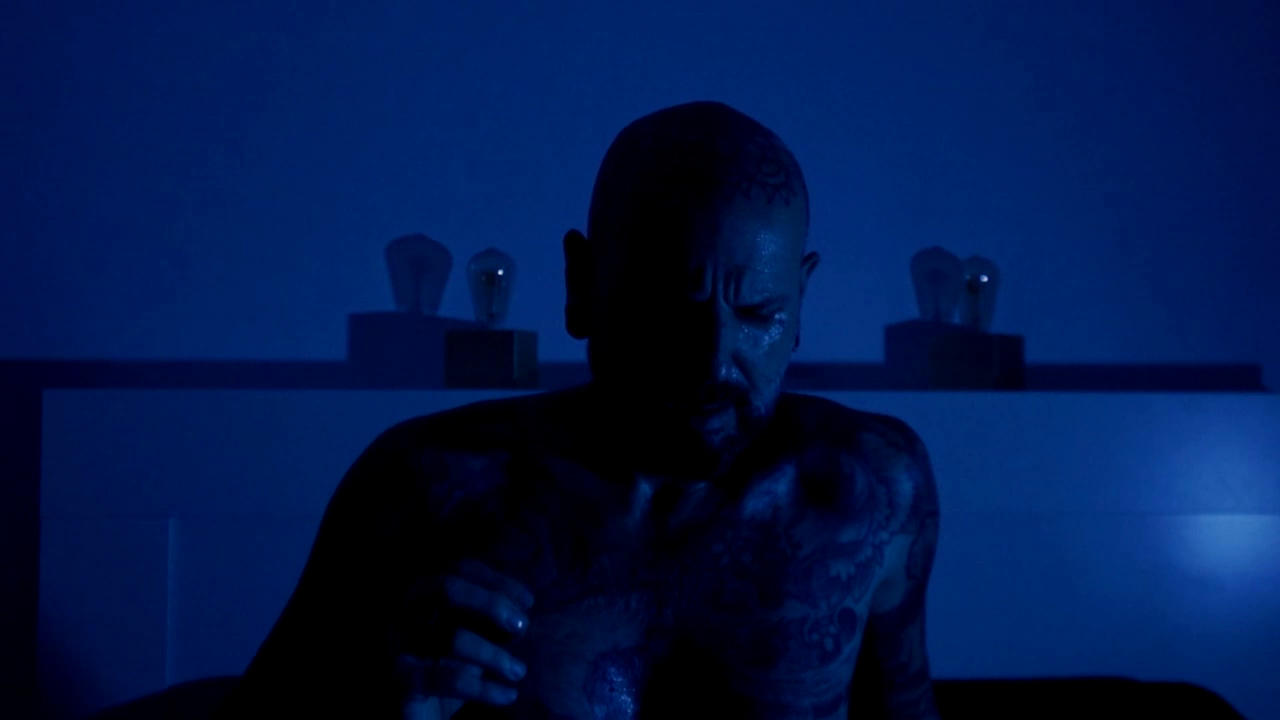
After making the unreal discovery of a ginormous version of himself, a man follows a disembodied voice beckoning him from deep within.
Taking the Analogies’ theme of exploring the anus quite literally, Tibor Astor’s highly surreal entry is, once again, an interesting example of style over substance. The hallucinatory visuals, while lacking any real narrative direction, provide adequate progression to the short’s Kafkaesque story. Utilising a combination of practical and CGI effects, the blend of diametrical effects works well for their intended placement. The CGI effects add a distinct uncanniness, which adds a level of surrealism to the dream sequence. Whereas the physical effects present an uncomfortably realistic depiction of expulsion of a rectal foreign body, the realism grounds the narrative back in reality.
Vox Anus – Directed by Adam Ford
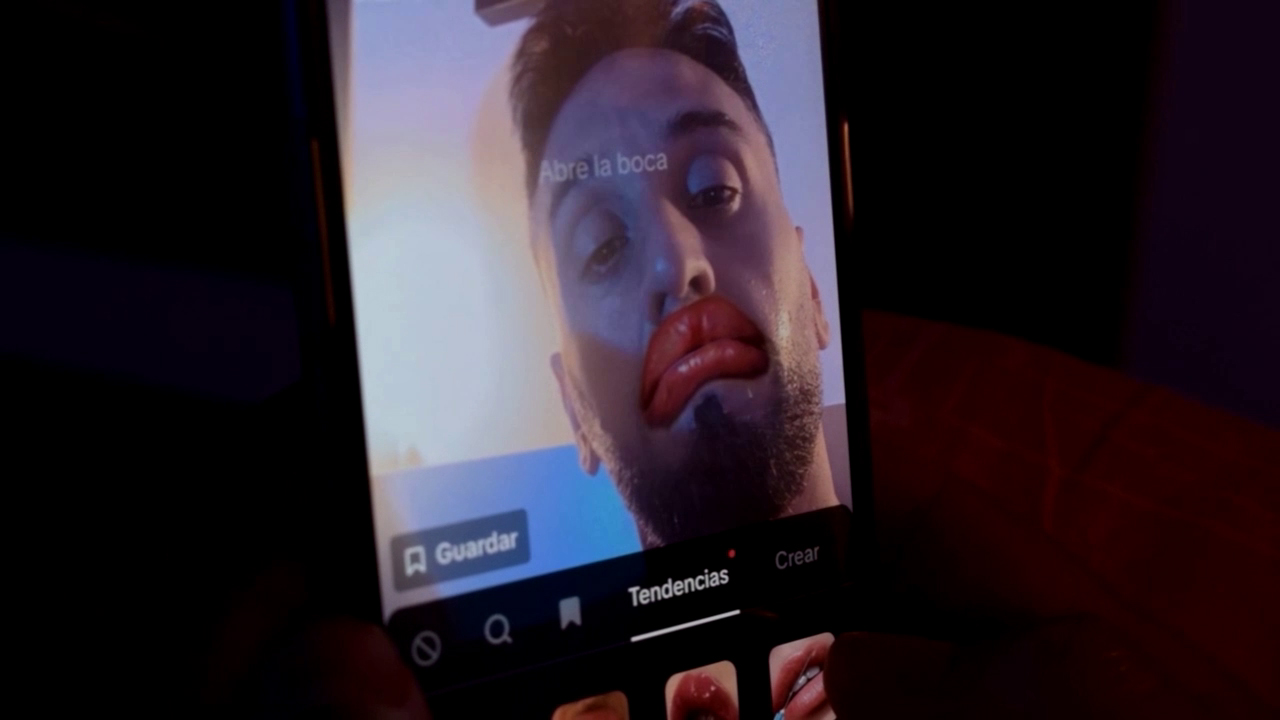
A man wakes up to find his mouth is no longer where it once belonged.
I have no mouth, and I must scream; however, what if you could still scream… only from your anus. Adam Ford’s segment blends a mixture of serious body horror with bold overtones of comedy to create an intermittently alternating tone. From trying to have a conversation on the phone, to eating, to using the bathroom, these comical elements are delivered thick and fast throughout the short. However, despite being wanton with its humour, the narrative still provides a level of seriousness through its analysis of Adjustment Disorder–a real affliction suffered by those who have suffered sudden disfigurement or disability. Our protagonist’s reflection over old photographs displays a solemn level of regret and resentment at his new affliction. Moreover, the vivid depiction of mutilative self-surgery on our protagonist to rectify this disorder is also indicative of this behaviour, being presented with visceral practical effects.
Additionally, the narrative ties in to the anthology’s framing device, The (self-anointed) Anus Prophet, a talking anus who introduces each segment to the audience through direct fourth-wall breaks. Through insinuation, it’s revealed that our humble guide and the shorts protagonist are one and the same.
No Exit – Directed by Pete Lankston
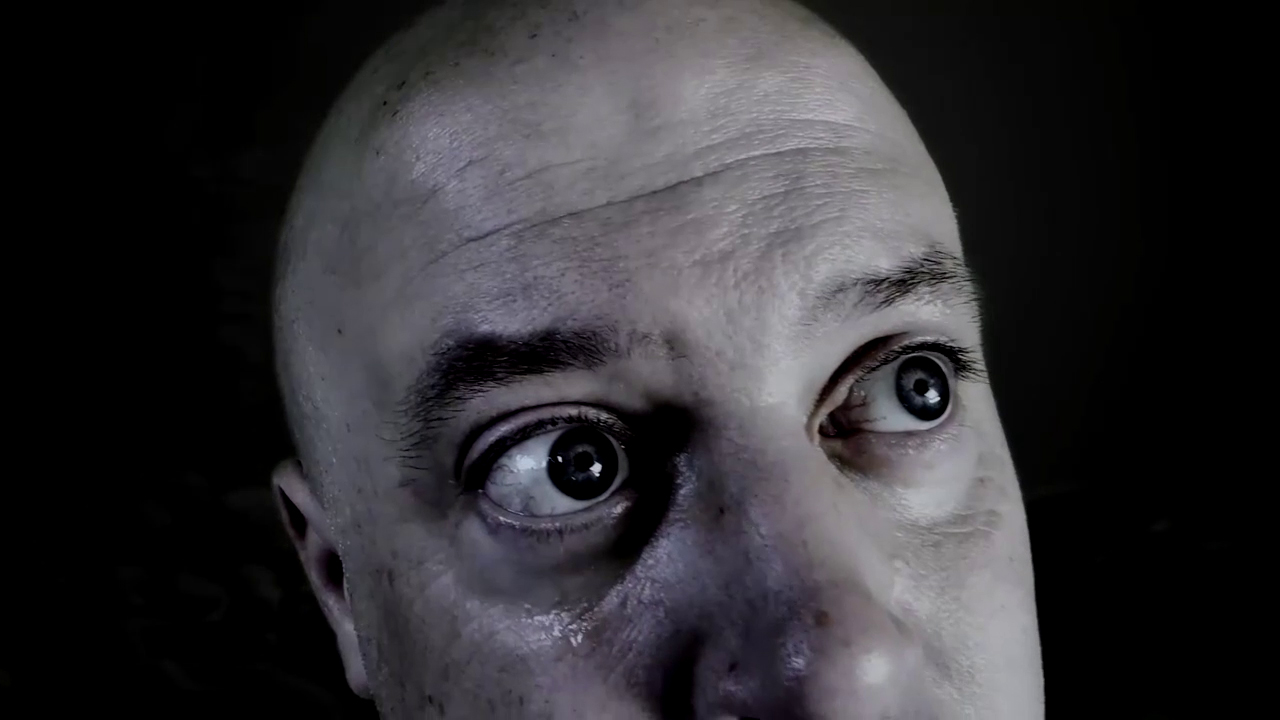
A man explores the bleak and barren plains of purgatory.
One of the more surreal shorts to grace Analogies, director Pete Lankston’s dreamlike cinematic style, subjective imagery, and heavy themes of Catholicism create an overtly desolate, alien landscape in which its story takes place. Being actualised through CGI and greenscreen, the uncanny, unnatural visuals instil an uneasy sense of dread similar to that experienced by our protagonist, played by Lankston. The lack of spoken dialogue by his character allows for this expression of emotion to be relayed entirely through body language, further embracing the sense of segregation developed by the visuals. Furthermore, the short’s score has a significant influence over its tone. Beginning off as soft and serene, this soon devolves into sporadic, overpowering industrial drones–adding a level of anxiety with its random implementation.
The Night Guest – Directed by Domiziano Christopharo
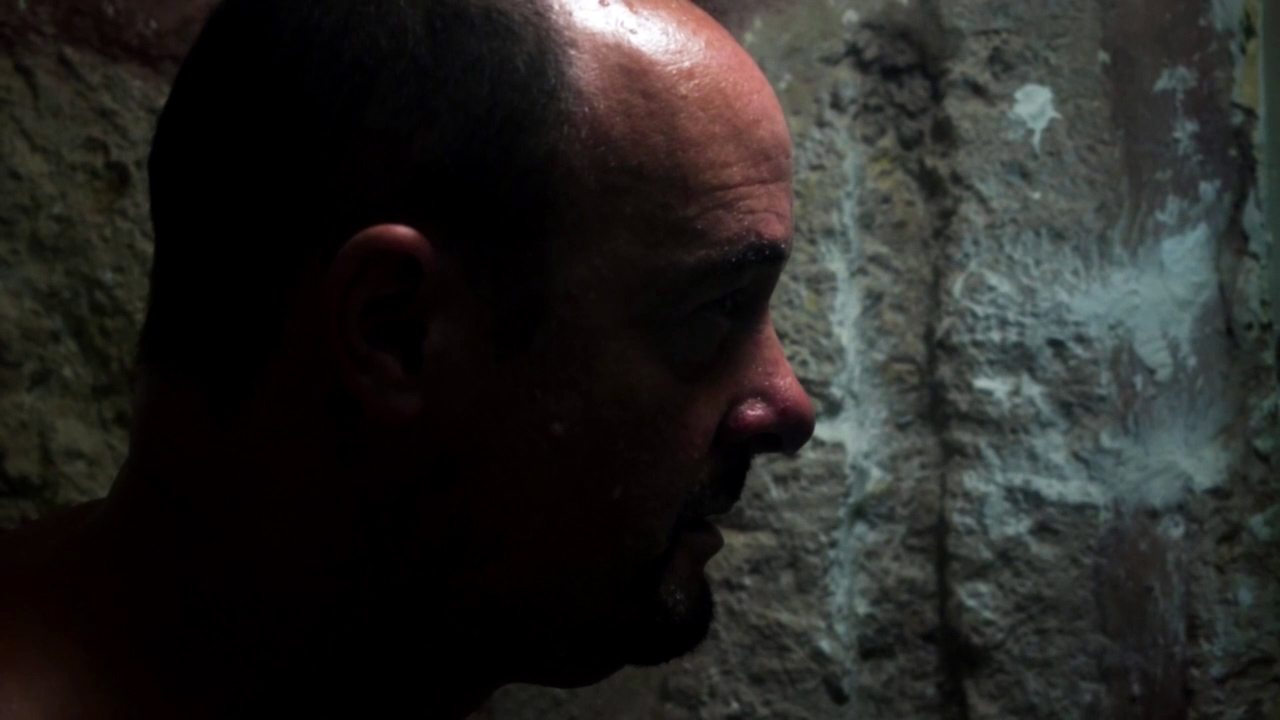
A man believes there is something benevolent contained deep within himself, and will stop at nothing to find out the truth.
An astute portrayal of paranoia and anxiety, The Night Guest’s gradual building of atmosphere delivers a remarkable, slow-burning tension that is undoubtedly reminiscent of the works of Poe. The intense progression of the narrative through narration, the foreboding ambience, and the exploration of hopelessness and despair are expertly interwoven into a unique body horror experience. The rising suspense builds to a crescendo of a graphic smorgasbord of anal-based auto-surgery, realised with exemplary practical effects. Additionally, with a fantastic performance from the main protagonist (credited as the mononymous Ian), who delivers an outstanding rendition of someone pushed to their limit and willing to go to any lengths to put an end to these feelings of unease and apprehension.
An eclectic mix of different genres, all focused on one thing we have in common as a species (apologies to the one dude with anorectal malformation reading this), Analogies is an unabashed probing of one of society’s last taboos. With its diverse amalgam of artistic talent and unapologetic exploration of taboo subjects, the collection of shorts is a distinct and refreshing disregard for societal norms. Though like any anthology, each short will hit harder with some viewers than others. Despite this, Analogies’ extreme and divisive nature is sure to be enjoyed by those looking for some intrepid outsider art.
Analogies (2025) is available to purchase (along with Phallacies) here.
More Extreme Cinema Reviews
When the found footage genre became fully established in the late 90s with the release of The Blair Witch Project (1999), the cinematic technique was hailed as an inventive, tenable… The evolution of action films has come a long way over the years; from cheesy one-liners and over-the-top shootouts, the genre has progressed to slick visuals and epic hand-to-hand combat…. Satan Claus is an Italian/American low-budget slasher horror, written by Simonetta Mostarda and directed by Massimiliano Cerchi. Well-versed in independent horror, Massimiliano is known for directing such lo-fi additions to… The generally agreed definition of a snuff film is a real (not staged) filmed murder. In some cases, it is viewed for arousal. However, this is somewhat incorrect, as by… Eldorado is a 2022 extreme road movie written by Andrea Cavaletto, and directed by Domiziano Christopharo. Not the first time working together, Andrea and Domiziano have collaborated on a number… Celebrating Japanese cult cinema, the Japan Film Fest Hamburg is gearing up for its 2021 season running from August 18th to September 1st. What has got us so excited for…
Be My Cat: A Film For Anne (2015) Film Review – Why Is Everybody Afraid Of Love

Re:Born (2016) Film Review – Dont Bring A Gun To A Knife Fight
Satan Claus (1996) Film Review – Won’t You Join My Slaying Tonight?

Top 15 Pseudo-Snuff Films – Diamonds In The Snuff

Eldorado (2022) Film Review – Roadtrip!

Japan Film Fest Hamburg 2021 – Embracing The Underground

Hey there, I’m Jim and I’m located in London, UK. I am a Writer and Managing Director here at Grimoire of Horror. A lifelong love of horror and writing has led me down this rabbit hole, allowing me to meet many amazing people and experience some truly original artwork. I specialise in world cinema, manga/graphic novels, and video games but will sometime traverse into the unknown in search of adventure.