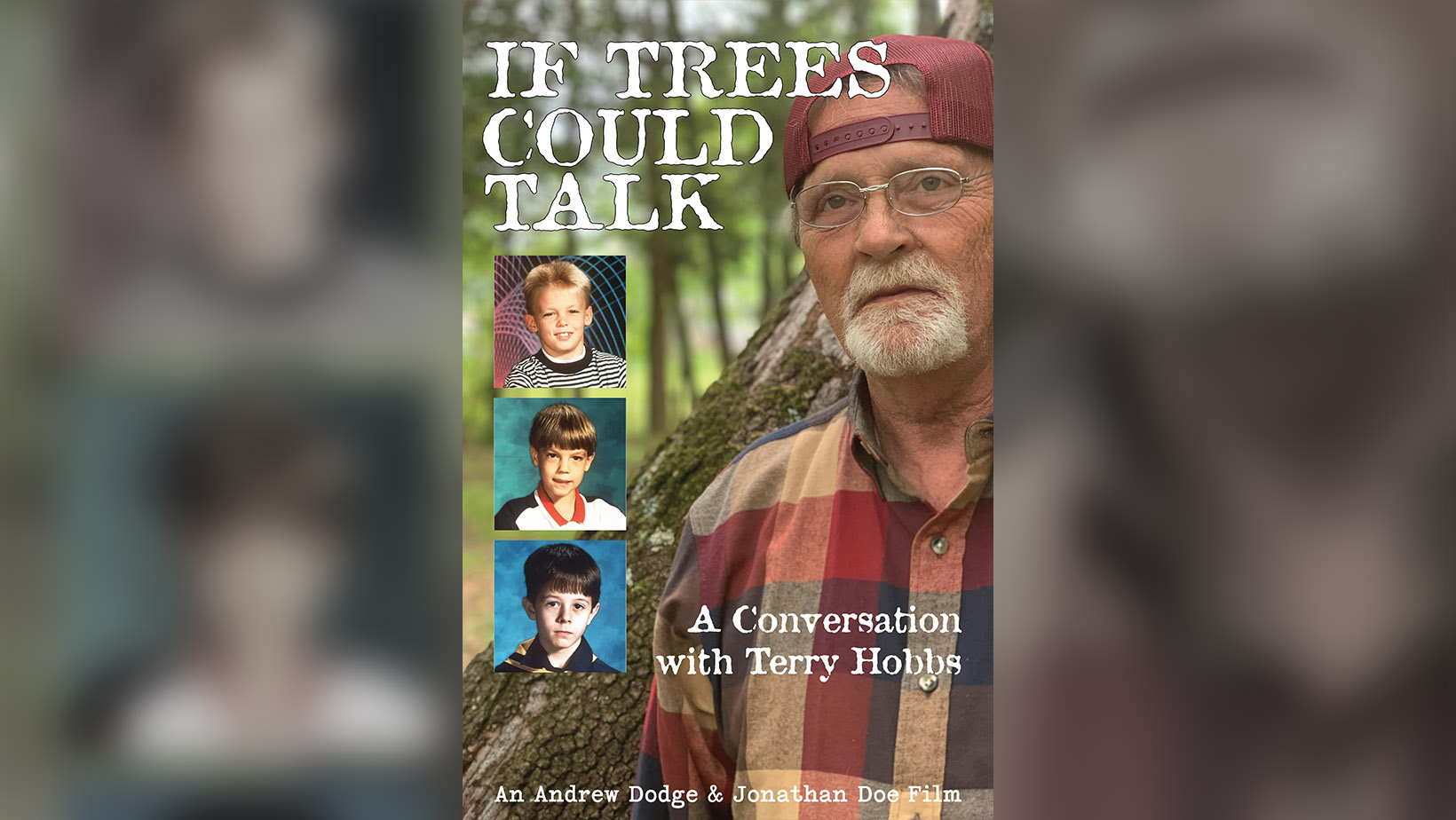





If Trees Could Talk: A Conversation with Terry Hobbs is a 2025 documentary written and directed by Jonathan Doe and Andrew Dodge. Known for creating transgressive cinema, Jonathan has made a name for himself in the extreme cinema community by writing and directing his Ero Guro Nonsense series, including Barf Bunny (2021), The Degenerates (2021), Defilement of a Porcelain Doll (2022), and Majestic Flesh Faucet of Projectile Bile (2025). In addition, Jonathan has produced previous documentaries, such as Carving the Cadaver Vol 1-3 (2019), The Act of Self-Harm (2023), and Amanda Taylor: The Selfie Killer in Her Own Words (2025). Whilst Andrew Dodge is a podcaster who hosts the popular true-crime podcast Unforbidden Truths and co-hosts Murderabilia Exposed with Taylor James.
On May 5th, 1993, three eight-year-old boys, Steve/Stevie Branch, Michael Moore, and Christopher Byer, were reported missing in West Memphis, Arkansas. The following day, all three boys were found dead, their bodies having been dumped in a ditch in the nearby Robin Hood Hills, naked, restrained, and badly mutilated. The police originally suspected three teenage boys, Jason Baldwin (16), Damien Echols (18), and Jessie Misskelley Jr. (17), of being responsible, and they were arrested, tried, and sentenced for the murders.
However, due to the police’s incompetence in handling the entire case, the dubious nature of the evidence, the lack of physical evidence linking the teens to the scene, and a suspected emotional bias during the trial, doubt began to rise as to whether the boys had any involvement in the case. And on August 19, 2011, Jason, Damien, and Jessie entered Alford pleas and were released, receiving ten-year suspended sentences after serving eighteen years—all three still maintain their innocence to this day.
After their release and as wide acceptance of the teens’ innocence seemed to spread, a slew of different theories emerged as to what had actually happened that night of the boy’s disappearance. Among these possibilities was Terry Hobbs, Steve Branch’s stepfather. With accusations of domestic violence, being one of the last people to see the boys before their disappearance (as stated in affidavits from three neighbours), and evidence of a single hair matching Hobbs’ DNA being found inside one of the knots restraining the boys, many accusations arose pointing the finger at Hobbs as having some involvement in the boy’s murder. Though, he has strongly denied any wrongdoing throughout the years, and has never been officially investigated or arrested in relation to the still-open case.
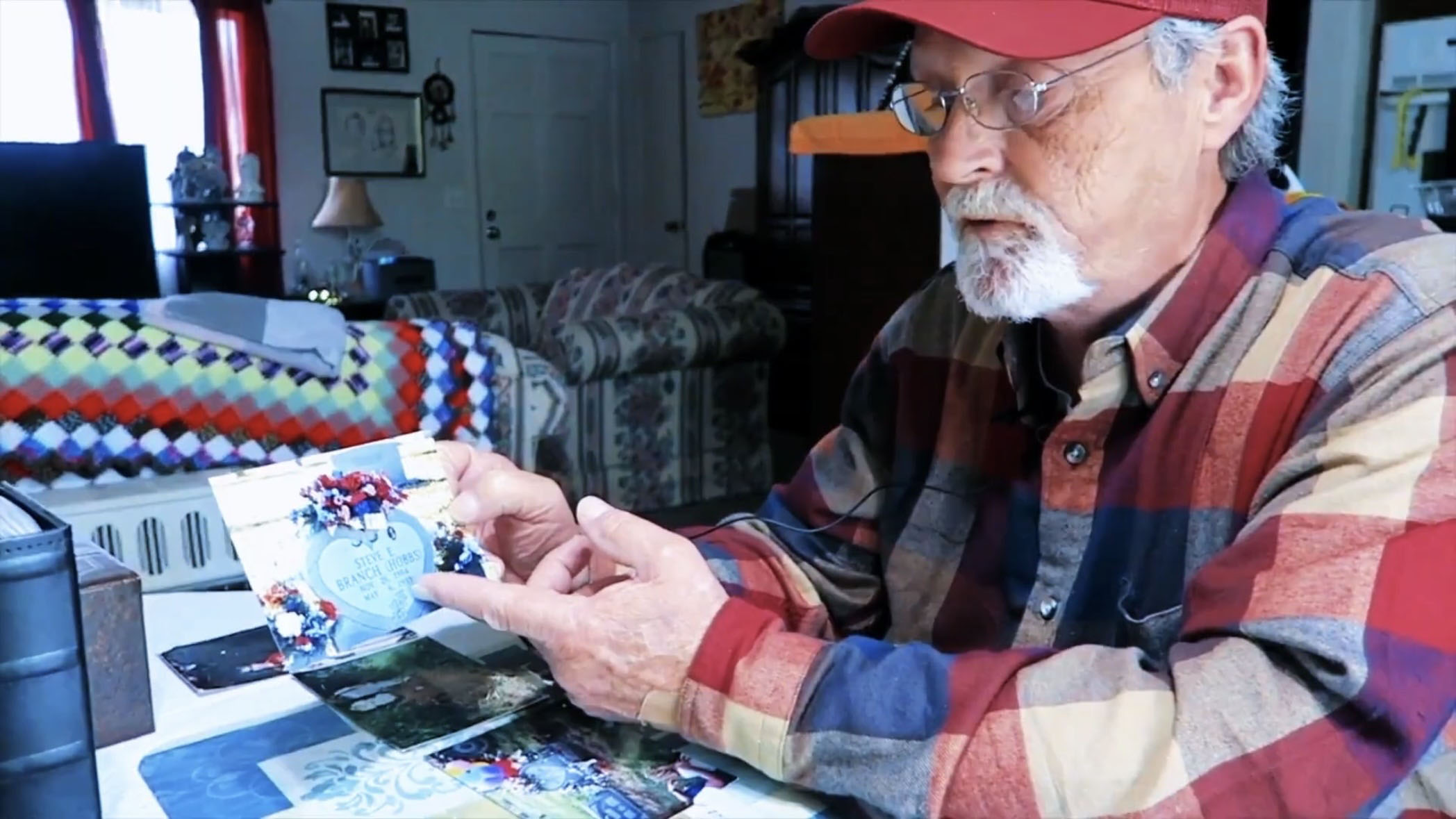
While not being the first documentary about the case, with multiple feature-length case studies being released over the years, such as Paradise Lost: The Child Murders at Robin Hood Hills (1996), and its follow-ups Paradise Lost 2: Revelations (2000), and Paradise Lost 3: Purgatory (2011), as well as West of Memphis (2012); If Trees Could Talk: A Conversation with Terry Hobbs approaches the subject rather differently. Rather than treating him as a headline, the documentary foremostly humanises Hobbs after years of him being subjected to public scrutiny. Before any details of the case are discussed, Jonathan and Andrew spend a significant amount of time showcasing Hobbs’ home, his life with his current wife, Cynthia, and their shared hobbies, such as paintballing, cooking for the community, and creative outlets like songwriting.
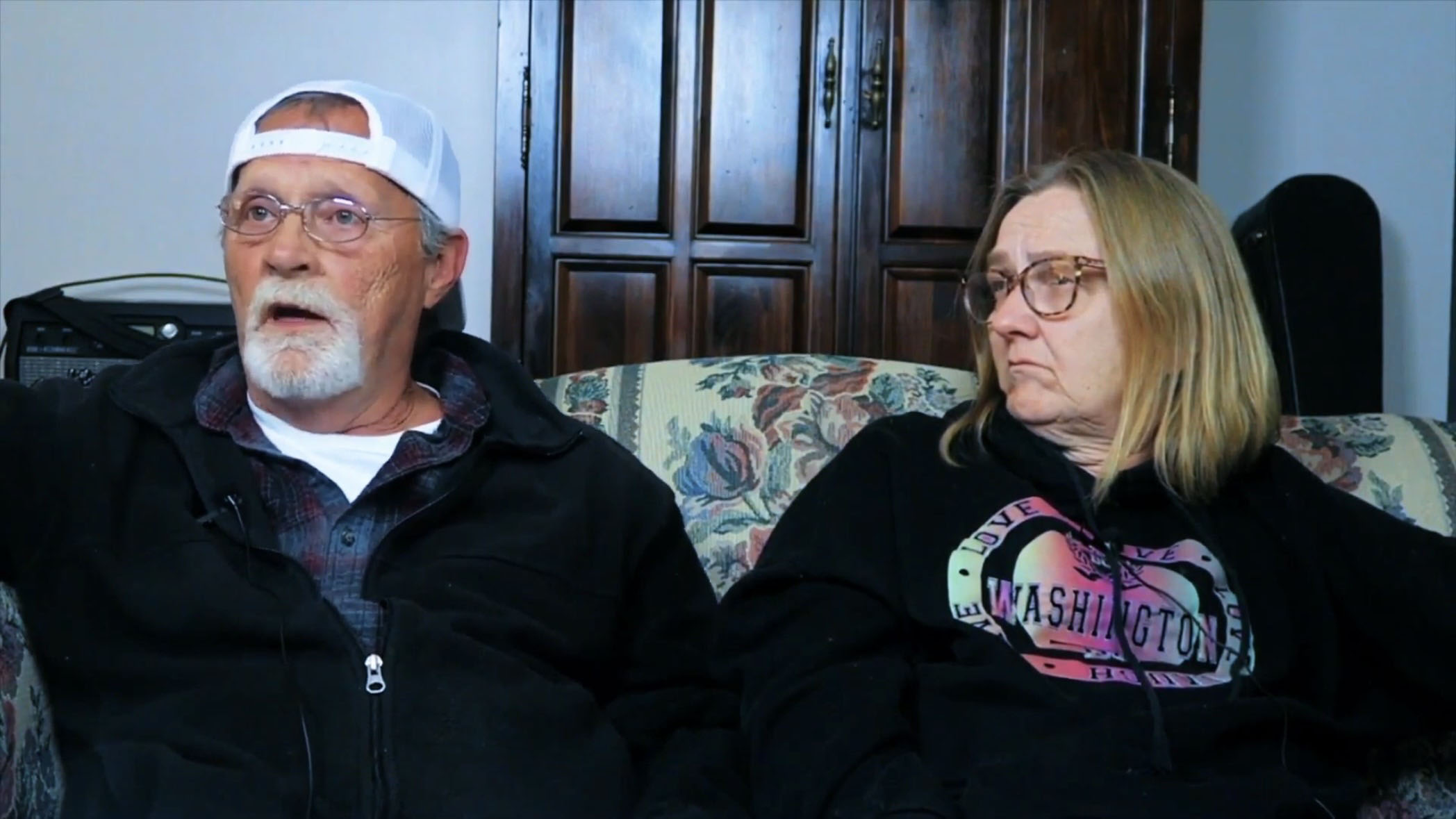
However, the documentary remains objective in its approach. Jonathan and Andre are unflinching in their questioning, willing to probe the many theories against Hobbs that have arisen over the years, as well as the evidence against him. From witness affidavits and DNA evidence to timeline discrepancies and accusations from family members, the pair scrutinise every aspect directly—with some of their questions leaving Hobbs visibly frustrated and irritated. Yet, throughout all this, Hobbs is allowed to answer each question without interruption, either going into detail or bluntly dismissing the inquiry at his own pace.
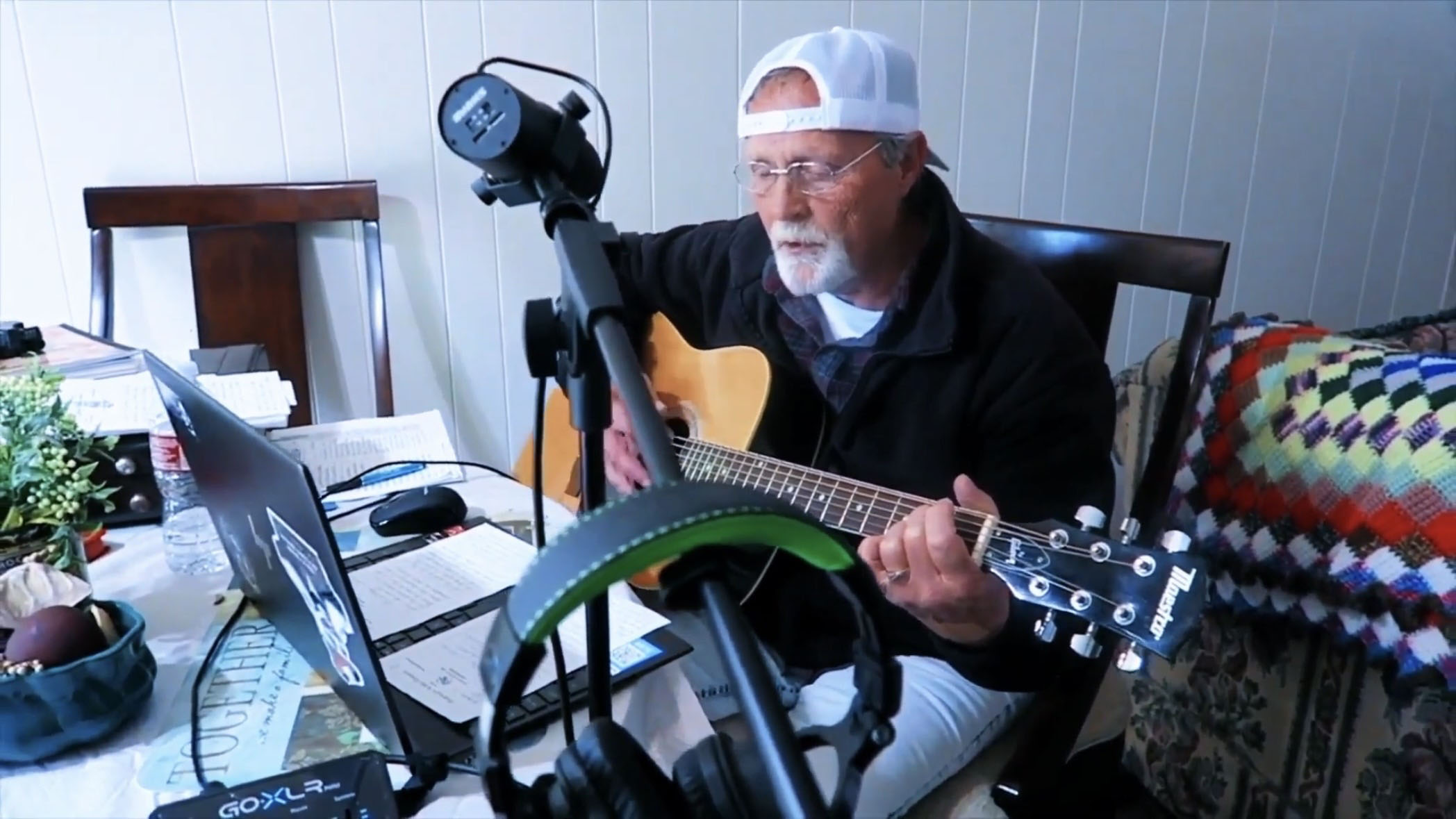
Instead of presenting itself as a static interview with Hobbs, If Trees Could Talk: A Conversation with Terry Hobbs uses slick editing to gradually intersperse stock footage of newscasts, interviews with the families affected by the murders, and investigative journalism pieces made over the years—providing an astute overview of the history behind the case while avoiding a heavy expositional dump on the audience. Additionally, the interview footage has a raw, earnest visual aesthetic. Rather than creating an overly-produced design with multiple angles and cinematic-grade cameras, the production utilises a simple set-up of a single camera and a boom mic, filmed inside Hobbs’ own home, imbuing the documentary with a more personal approach overall.
Understanding its identity as a character study over a hard-hitting investigative piece, If Trees Could Talk: A Conversation with Terry Hobbs is a streamlined and well-paced documentary that succeeds in being highly informative, tenaciously thorough, yet totally impartial throughout. And while it doesn’t provide a definitive answer to what happened to those poor young boys all those years ago, it does yield a hauntingly human perspective of the case from someone who has been experiencing it for over 20 years.

If Trees Could Talk: A Conversation with Terry Hobbs (2025) is available to purchase from Putrid Production’s website here.
More Film Reviews
Despite being one of Japan’s biggest film studios throughout the late 40s and 50s during the golden age of Japanese cinema, Daiei was struggling by the mid-60s and had to… “A crew of hardy road workers, led by a bickering father and son, must survive the night when they accidentally awaken an ancient Irish vampire.” All horror legends begin with… The Abandoned is a 2006 horror thriller, written and directed by Nacho Cerdá with additional writing from Karim Hussain and Richard Stanley. Mostly known as a director of shorts and… Struggling to quit smoking, Piotrek’s fiancée signs him up for a course at an institute focused on providing help for men. However, after a room mix-up, he finds himself in… Shudder, as a platform for exclusive releases, has been an enjoyable and interesting experience. Being able to curate directly for fans of the genre has allowed an impressive range of… The Guyver is a 1991 American live-action tokusatsu sci-fi horror, written by Jon Purdy, and directed by Screaming Mad George and Steve Wang. The film is an adaptation of the…
Secrets of a Woman’s Prison (1968) Film Review – The Origin of Japanese Women-in-Prison Cinema
Boys from County Hell Team Review – Ancient Evil From Ireland
The Abandoned (2006) Film Review – Abandon All Hope

Alpha Male (2022) Film Review – The Absurd Temple of Bromanity!
Mosquito State (2020) Film Review – A Muddled Metaphorical Treatise on Bloodsuckers

The Guyver (1991) Film Review – Early Western Anime Adaptation

Hey there, I’m Jim and I’m located in London, UK. I am a Writer and Managing Director here at Grimoire of Horror. A lifelong love of horror and writing has led me down this rabbit hole, allowing me to meet many amazing people and experience some truly original artwork. I specialise in world cinema, manga/graphic novels, and video games but will sometime traverse into the unknown in search of adventure.