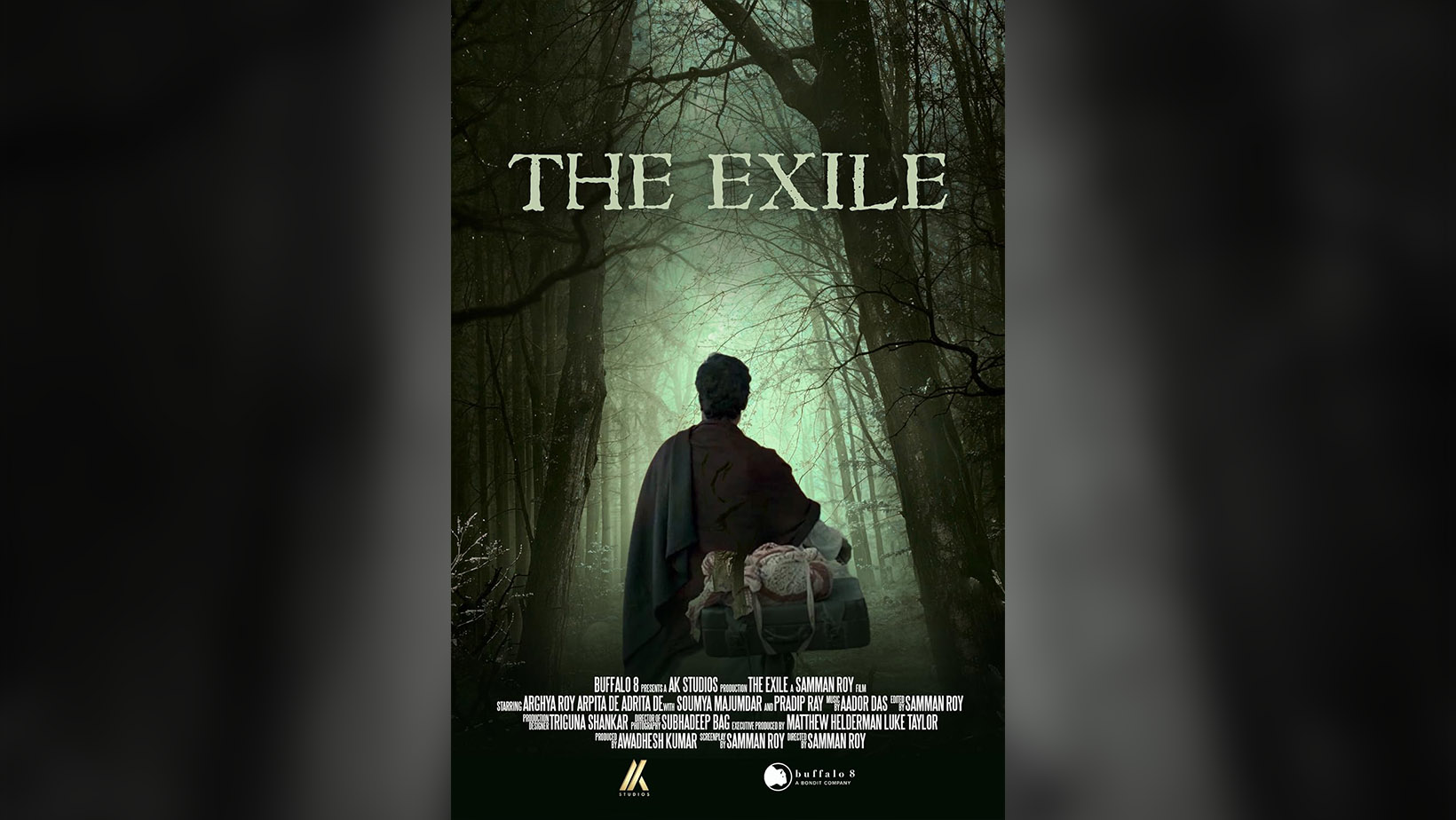





The manner in which mainstream Bengali cinema sidesteps serious horror, almost as though it were a contagious disease, is a phenomenon deserving scrutiny. Bengali culture, from its expansive literary canon and oral storytelling to its everyday chatter in the 21st century, has never lacked horror elements. It overflows with supernatural entities, some benevolent and absent-minded, others ruthless and predatory, alongside a wealth of motifs and ideas. Yet, the mainstream, particularly in recent decades, has followed Bollywood to gravitate towards horror-comedy—where, admittedly, a few agreeable works have emerged, or churned out shallow, unintentionally comic versions of horror narratives, laden with ineffective jumpscares, screams with zero impact, fake-looking blood, and generally stripped of any real connection to the oral and literary traditions that have flourished in the region for centuries.
And what about the independent circuit? Even there, enthusiasm appears muted. Anjan Dutt directed a well-regarded telefilm adaptation of Tagore’s The Lost Jewels, now impossible to find and watch. Roshni Sen and Aniket Dutta’s Ghost of the Golden Groves, though veering toward science fiction and fantasy territories, delivers several genuinely striking moments. The most recent entry in this regrettably sparse collection is The Exile, directed by Samman Roy, crafted on a modest budget with an equally small team.
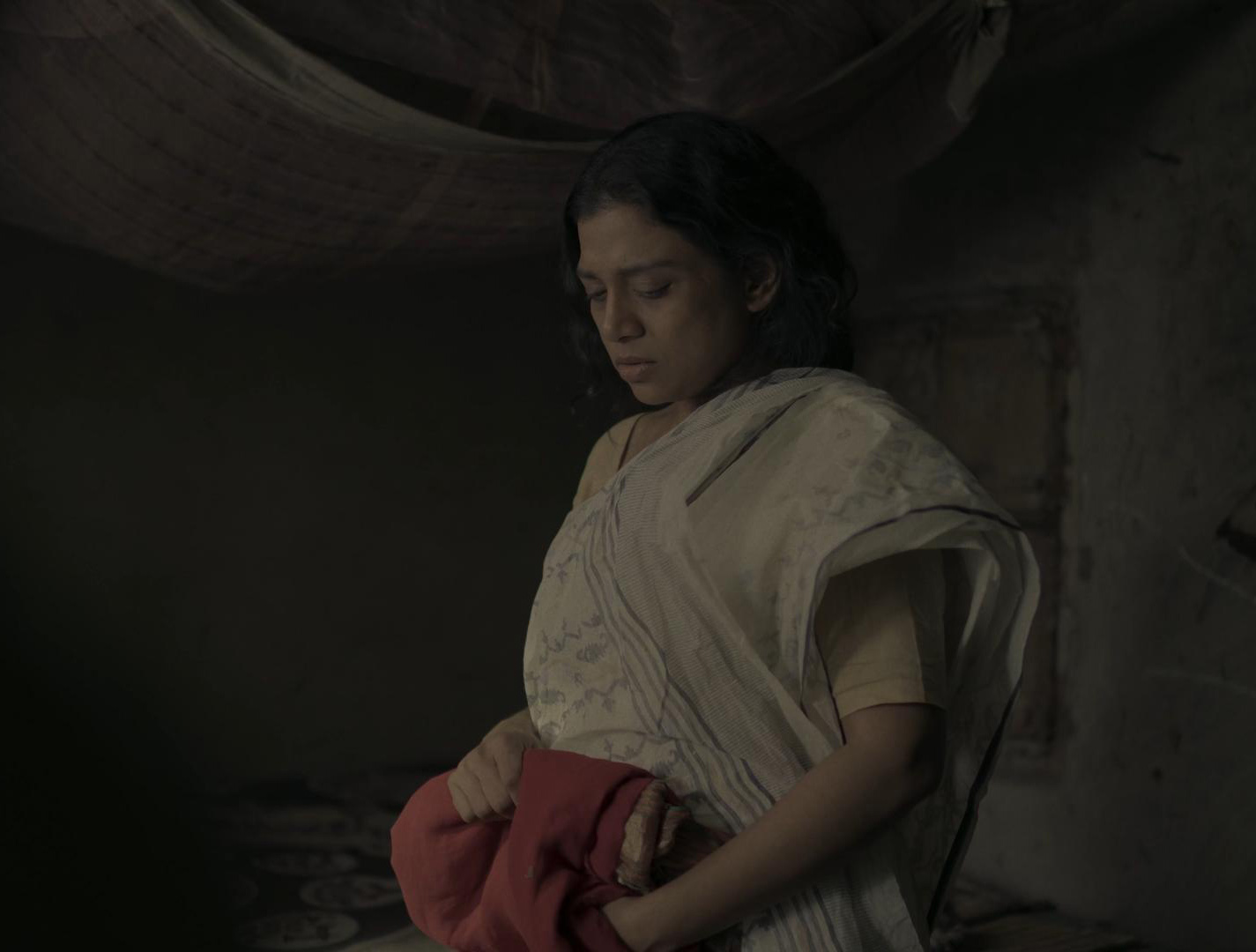
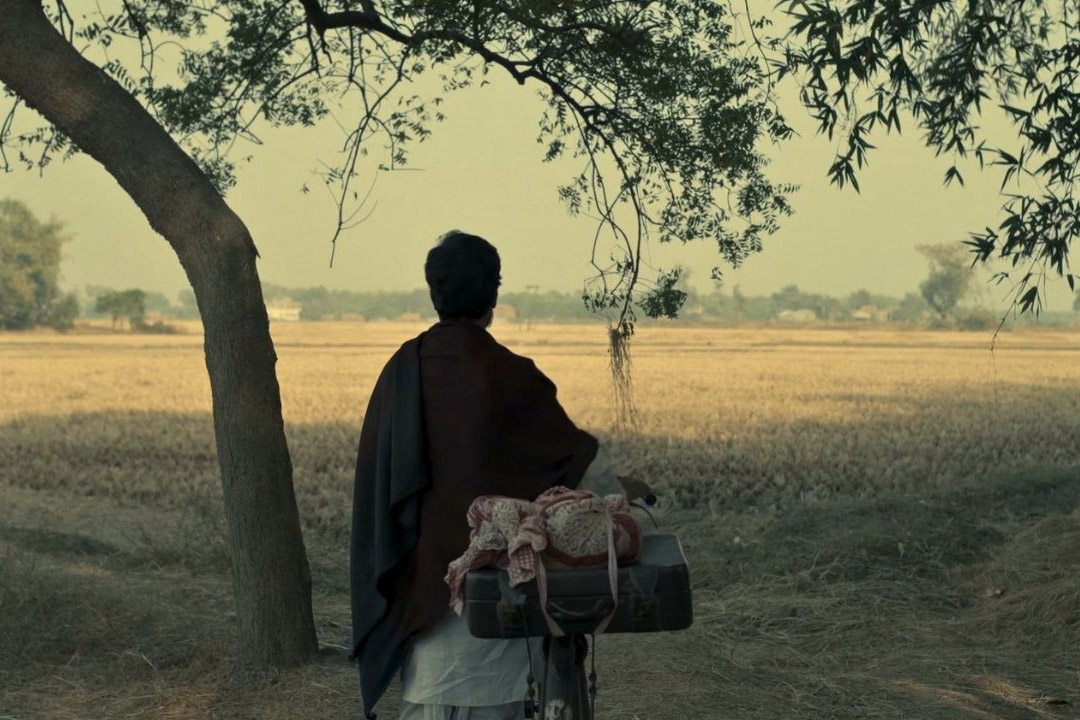
Set in the 1960s in the villages of Burdwan district, the story follows the ill-fated Gouranga. After the death of his wife, implied to be one of several recent tragedies in his family, he departs for Moshagram, where his militant friend is hiding, in search of work and an escape from the all-encompassing atmosphere of grief. Along his journey, he hears tales of strange supernatural happenings in the nearby forests. Eventually, he reunites with his friend and, through the benevolence of the latter’s strange landlord, journeys for a job in a distant village. Like Robert Frost, he finds himself facing two roads, and the choice he makes becomes crucial to his fate.
Roy falters in one key area. The dialect spoken by the characters and the phrasing of their dialogue often feel misplaced within The Exile’s spatial and temporal setting, coming across as overly artificial. This is most noticeable during an extended conversation between Gouranga, his friend, and the landlord. Owing largely to this flaw, the film tends to feel excessively verbose at times. It is a familiar mumblecore trait, unwelcome in a horror narrative unless the filmmaker has an exceptional command of tone, content, and length of character speeches.
Beyond this, few true faults can be found. The narrative balances social drama with a period effect and metaphysical horror for much of its runtime before decisively embracing the latter. This delay in revelation never harms the experience; rather, The Exile’s slow pacing, the characters’ buried sorrows, quiet hopes, and lingering guilt all create a fertile ground for supernatural menace to surface. The uncertainty over the story’s direction keeps the audience engaged until the final shift arrives. Such narrative control feels refreshing within the formulaic baby-food-like wasteland of modern Bengali cinema.
Roy adheres closely to Bengali horror traditions. His intent seems to be to emulate the framework of 20th-century Bengali horror literature: a great range of works from the late works of Bibhutibhushan Bandyopadhyay to Manjil Sen. The understated, atmospheric storytelling, often beginning with a journey and culminating in tragedy, is notoriously difficult to reproduce, but Roy largely succeeds. His inclusion of social contexts and character backstories lends the narrative additional depth, transforming the familiar motif of the “journey” into the less conventional idea of “exile.” Every central figure in the film leads an exiled existence: Gouranga and perhaps Nibaran flee from reality, while Gouranga’s friend and the woman are driven into exile by circumstance.
The more cliched borrowings from those literary traditions are a mixed affair. Moshagram, for instance, has inexplicably served as the setting for countless horror tales over the decades, so much so that it is high time for someone to come up with a believable scary tale solely explaining why. The name Nibaran Chakraborty, meanwhile, has been recycled so often in Bengali media that its reappearance here feels lazy. A Tagore song is employed, and while the selection can potentially be questioned, the positioning cannot, as it works effectively within the narrative, forming a perceptible boundary between the character-driven drama and the supernatural horror.
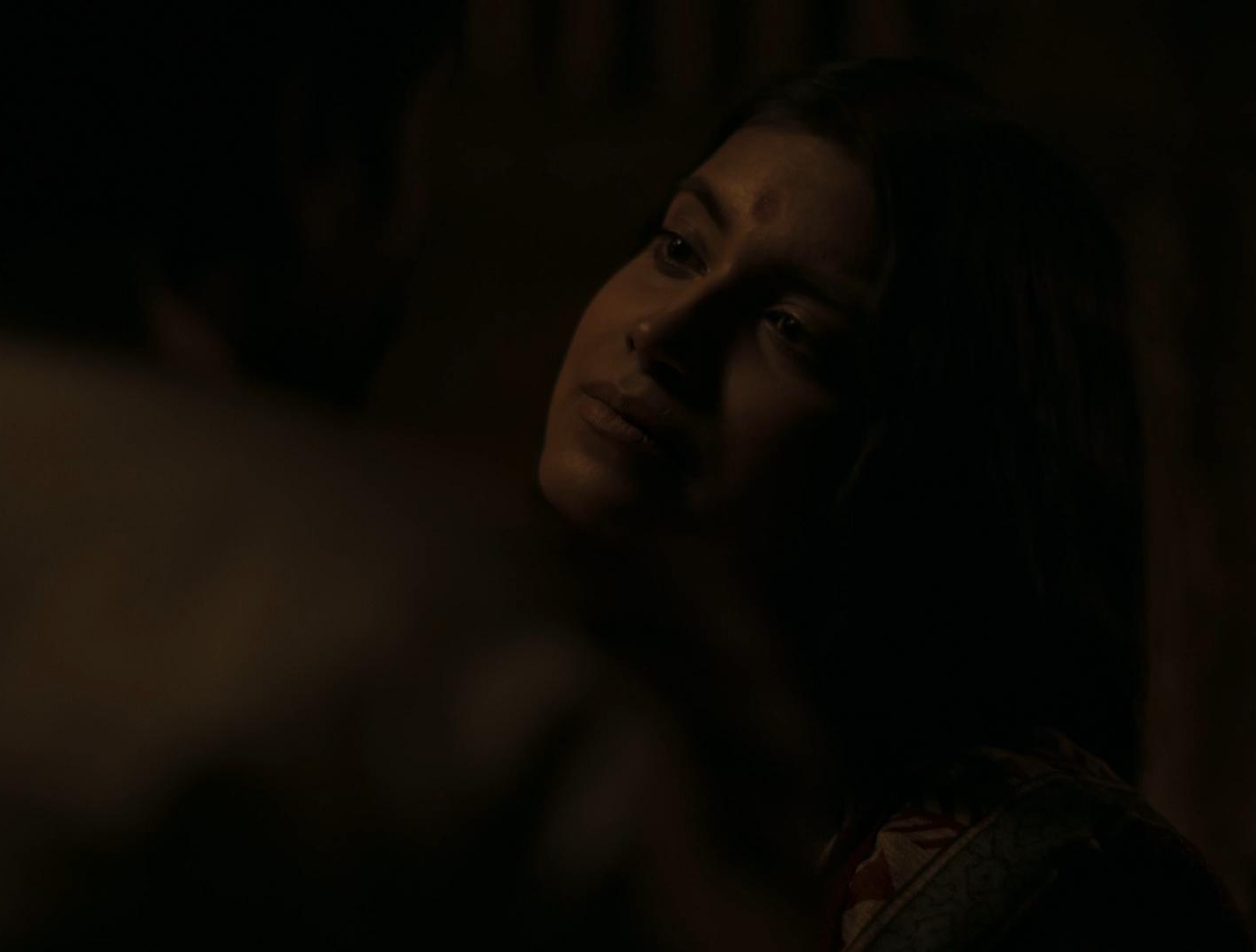
What ultimately saves The Exile from becoming yet another mumblecore misfire is its audiovisual competence. The cinematography is sharp, moody, and evocative—precisely what a film meant to unsettle its audience should look like. Even the less engaging scenes gain character through the visuals, while the final act benefits immensely from the careful use of lighting, colour, and composition, especially in low-light situations.
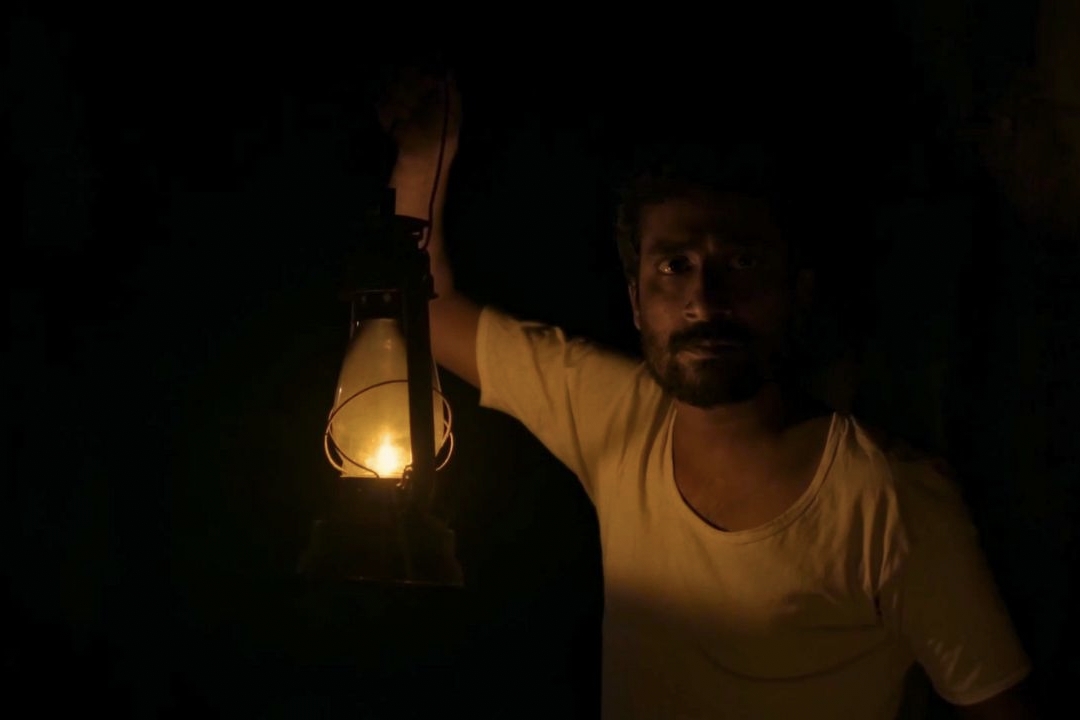
The Exile may not hold a candle beside the finest works of contemporary understated horror, but even outside the appreciation of it emerging from a stagnant filmmaking culture, it is difficult not to like the film. Roy demonstrates a solid grasp of atmosphere, pacing, and buildup: he knows how to construct tension, stage a climax, and resist the temptation to rush the ending. With more experience, he will likely learn to trim down verbosity and deliver even more impactful work.

More Film Reviews

Burnt Portraits Film Review (2021) – Torture The Artist
Co-Author Lisa Lebel Burnt Portraits is a 2021 low-budget, single-location, psychological horror film from Leo X. Robertson. Robertson is known as being an indie filmmaker, Scottish writer and is also…

Head Count (2021) Folklore Examination: A Representation of the Uncanny
Set amidst the beautifully desolate scenery of the Joshua Tree desert, Head Count is a suspenseful slow burn that delves into folklore and urban legends through a threatening presence…
![Do Not Watch (2023) Film Review – Avert Thy Gaze [Unnamed Footage Festival 7]](https://www.grimoireofhorror.com/wp-content/uploads/2024/03/Do-Not-Watch-2023-transformed-365x180.jpg)
Do Not Watch (2023) Film Review – Avert Thy Gaze [Unnamed Footage Festival 7]
Do Not Watch is a 2023 American found footage horror film, written by Ryan Toyama and directed by Justin Janowitz. Ryan has spent most of his writing career working on…

Kami no Virusu (2022) Short Film Review
Kami No Virusu, directed by Luciano Attino, is a dystopian short film set in a future where a pandemic has ravaged the world. The story follows a shady pharmaceutical company…

Let the Wrong One In (2021) Film Review – Goofy Vampires Don’t Sparkle Either
Horror comedy is such a subjective film genre. Hell, comedy in general is tough enough because what’s funny to me might be completely boring to you. So how do you…

Stopmotion (2023) Film Review – The Magic of Animation
A bizarre blend of Phil Tippett’s Mad God and Dario Argento’s Suspiria, Robert Morgan’s feature debut Stopmotion (2023) is an indie horror film that weaponizes the maddening process of stop…