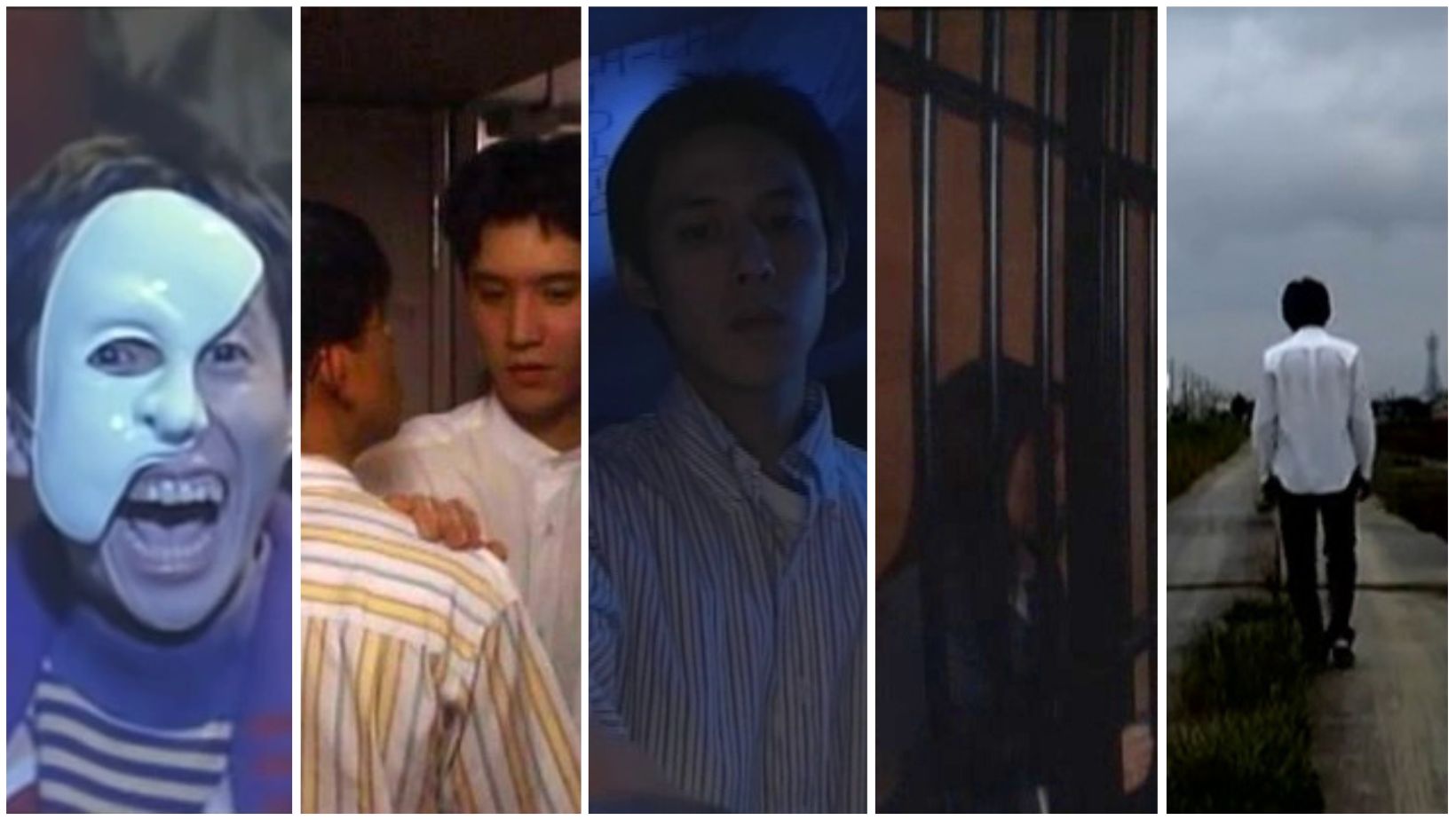





Known as one of the most gruesome series of Japanese rape-revenge and torture films ever made, the All Night Long Series has long been associated with a sense of infamy. Consisting of six films written and directed by Katsuya Matsumura from 1992 to 2009, these films are known for their graphic portrayal of mutilation, torture, sexual assault, rape, and murder. They depict a nihilistic view of the beast that lurks deep within humanity, elevating them beyond mere violence for violence’s sake. While occasionally difficult to watch, the series reflects the uglier side of humanity, yet also offers a flicker of hope for the positive direction humanity can take. However, as the series progresses, this message becomes increasingly pessimistic—lacking any redeeming qualities in humanity and instead embracing the darkness within.
Since these themes are a major part of the series, I decided to explore the themes of pessimism and their development throughout the series.
All Night Long (1992)
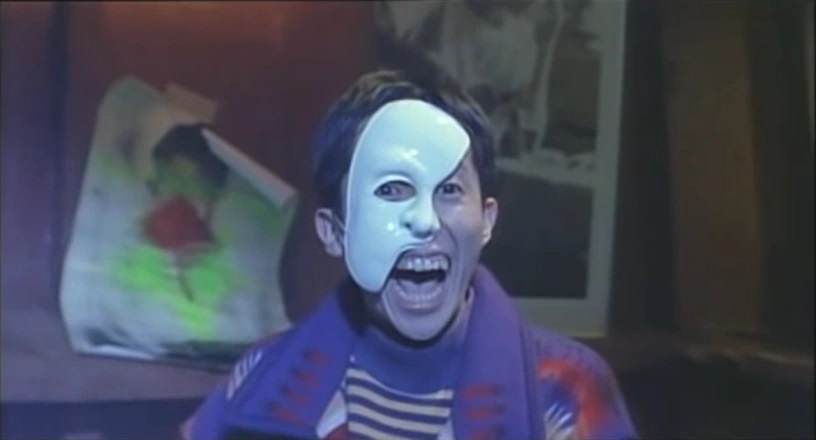
Three teenagers witness the brutal murder of a high school girl by an insane salaryman. The teenagers find themselves united by this event and become friends. Later, the teenagers hold a party to take their minds off things. Their party is crashed by a local gang of thugs, who rape one of the teenagers’ newly found girlfriend—leading the teens to deal with the thugs by using extreme violence.
Beginning with an incredibly savage stabbing of a young girl, All Night Long prepares its audience for its visceral approach to violence. The vicious brutality of the act, the excessive blood effects, and the highly saturated reds deliver a powerfully repugnant display of the loss of innocence and the savagery ordinary people are capable of. Additionally, when combined with its ferocious ending, the film’s portrayal of violence bookends the group’s descent into moral collapse expertly.
With incredible acting from Eisuke Tsunoda, Ryôsuke Suzuki, and Yôji Ietomi as our trio of protagonists, their raw performances are the driving force behind the film’s turbulent themes of powerlessness, revenge, and redemption. The film utilises the majority of the second act to focus on developing these complex characters, being slow by design and making the violent conclusion all the more impactful.
All Night Long 2: Atrocity (1995)
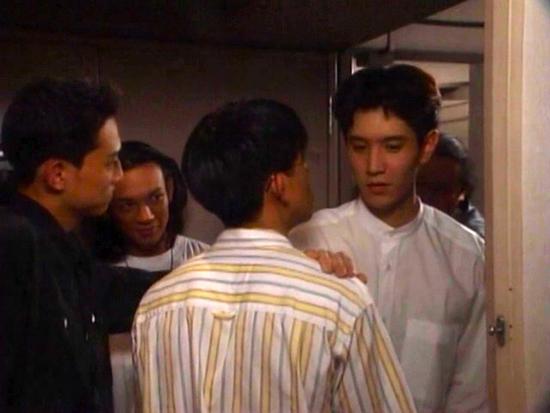
In downtown Japan, a lonely computer nerd tries to maintain a peaceful existence while being stalked by a gang of deviant homosexuals who want to use him for their brutal S&M activities.
Further exploring themes of powerlessness, All Night Long 2 undeniably presents a more vivid examination of these themes. Played by Masashi Endô, the main protagonist’s brutal sexual assault at the hands of a tough street gang delivers a harrowing portrayal of helplessness. Although it masquerades as a protection racket, the group’s intent to fulfill their sick, sadistic fantasies clearly highlights society’s desensitization more than the previous installment—delivering a stronger sense of pessimism through a relentless barrage of sexual violence.
Additionally, the film’s special effects are far more unrestrained, providing a harrowing depiction of abuse and torment with both greater clarity and frequency. However, unlike the previous film, All Night Long 2 chooses to forego the level of catharsis present in its prequel’s conclusion. Most of the violence in All Night Long carried a significant emotional weight, allowing the audience to experience these emotions alongside the characters. However, its sequel depicts a much more dehumanized nihilism, focusing less on the loss of innocence and more on its prolonged deconstruction.
All Night Long 3: The Final Chapter (1996)
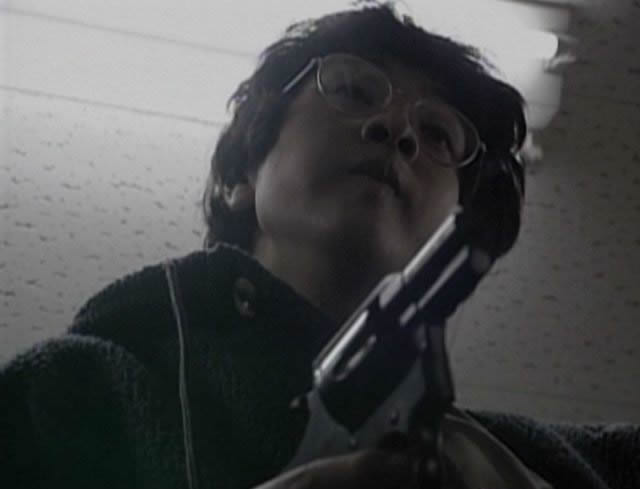
A bellboy stalks a woman who frequents the love hotel where he works.
If All Night Long focused on the loss of innocence, and All Night Long 2 on its drawn-out destruction, All Night Long 3: The Final Chapter outright denies its very existence. While the previous protagonists appeared to be (somewhat) normal people placed into extraordinary circumstances, forcing them to abandon their compassion to fight moral reprehensibility in an equally disturbing manner, the main protagonist in this entry lacks any of these redeeming qualities from the start — its overall message being that humans are trash.
Being portrayed as a socially inept loner with a taste for voyeurism, the protagonist, played by Yûjin Kitagawa, shows little hesitation in participating in and even relishing sadistic acts of torture when given the chance. The growing severity of these acts isn’t representative of a descent into madness and instead points to a growth in confidence to act out these sick fantasies.
While not as audacious in its depiction of violence as All Night Long 2, this entry’s display is far brutal and disturbing due to its sheer lack of purpose. Instead, scenes of rape, torture, and death lack any meaning outside of displaying humanity’s lack of redemption–assaulting the audience into a complicit numbness.
While All Night Long 3: The Final Chapter was regarded as the end of a trilogy, Matsumura returned to the series after a six-year hiatus with a new trilogy: All Night Long R (2002), All Night Long: Initial O (2003), and All Night Long: Anyone Would Have Done (2009). Unfortunately, compared to the original trilogy, these films remain mostly without subtitles (there are mentions online of English-subtitled versions, but I have never seen any copies). Therefore, the analysis of these films is superficial, lacking a deeper understanding of the story beyond what is visually apparent.
All Night Long: R (2002)
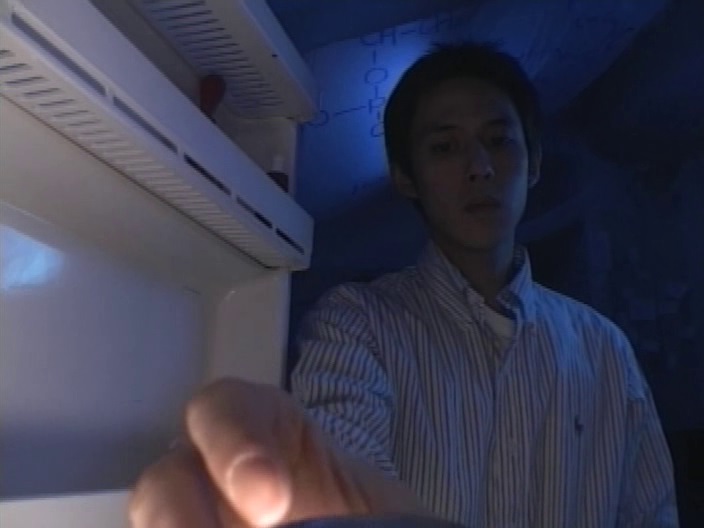
Young Yuuki is a broken, deranged maniac. Starting his descent to destruction with a little casual animal cruelty and soon progressing to the wild mutilation of local call girls, he falls deeper and deeper into a spiralling hell. Is there relief for this disturbed mind, or those that come into his crosshairs? Will his makeshift surgery deliver meaningful results for his unknowing victims?
With our main protagonist, played by Yuuki Fukuzono, already a deeply disturbed individual, All Night Long R takes a more disjointed and surreal approach to exploring themes of nihilism. Instead of remaining a fly on the wall like the previous films, this entry feels more personal with its abrupt cuts from harsh reality to a softer, more palatable yet equally disturbing fantasy world within his warped mind–pessimistically questioning reality itself as the two begin to blur. Additionally, the film is less character-driven, spending far less time developing them into three-dimensional characters. As a result, the characters lack depth outside their roles as a killer and his victims, emphasizing the pessimism of being unable to escape fate and being destined to suffer even after death.
While not as gory as All Night Long 2 & 3, R certainly makes more of a spectacle out of its violence. Though the film features more mutilation and dismemberment than previously, Matsumura chooses to display the aftermath of these actions through tight angles and sweeping panning shots more than the acts of torture and human experimentation–obscuring a large amount of the more brutal acts off camera (possibly due to budget limitations). However, this hardly diminishes their effect, still fully conveying the sadistic levels of torture suffered. Furthermore, the film also implements acts of violence against animals, most explicitly, a live vivisection of an Angel fish in a shocking display. Whilst relaying that suffering isn’t limited to humanity and establishes the protagonist’s warped mindstate, the act is entirely unnecessary.
All Night Long: Initial O (2003)
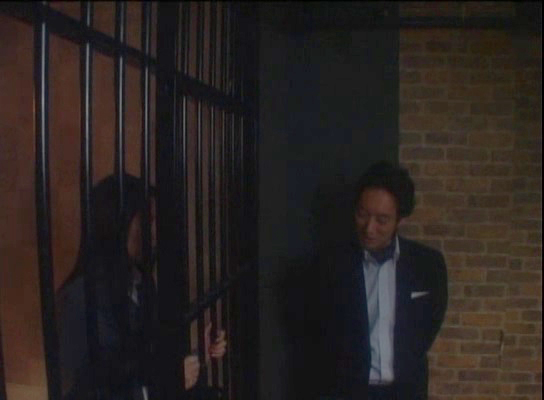
While traveling home from work, a young woman witnesses a horrific suicide right beside her. However, after the initial shock wears off, she becomes overwhelmed with sexual desire in a nearby alley. A man following her catches a glimpse of this act and, after introducing himself to her at a bar, invites her back to his house for dinner. Unfortunately, this ruse leads to her being drugged, imprisoned, and forced to participate in her captor’s masochistic games of sex and violence.
Returning to a character-driven, dialogue-heavy narrative seen in the original trilogy, All Night Long: Initial O’s pace is slower than All Night Long: R. By changing the formula in several ways, the film shifts its focus to a female protagonist instead of a male, and explores fetishized sadomasochism and the existential emptiness of pleasure. The main character’s kidnapping symbolizes a departure from her own reality into a world without moral constraints, blurring the lines between lust, fear, and remorse. The eroticism triggered by death underscores a nihilistic breakdown of the separation of sex and death, trivialising intimacy and suffering in equal measure.
As one of the longest entries at nearly 99 minutes, All Night Long: Initial O can sometimes feel a bit monotonous. While it is rich with depictions of sex and violence, the back-and-forth dialogue between characters can cause the pacing to slow down significantly at times. Additionally, the absence of subtitles makes these moments feel empty for non-Japanese speakers, as much of the intended nuance is lost.
All Night Long: Anyone Would Have Done (2009)
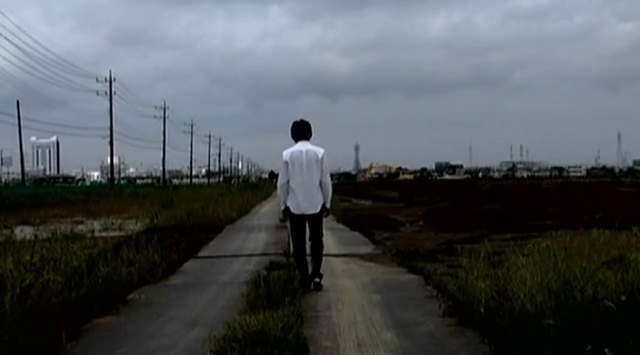
After picking a target at random, an unhinged maniac follows a young woman back to her apartment. During the home invasion, the victim’s sister unknowingly enters the apartment and becomes an additional casualty of the psychopath’s twisted games
Supposedly inspired by the Akihabara mass murder case, which took place in June 2008–in which the assailant, Tomohiro Kato, attacked a crowd with his vehicle, running over three people, then stabbing at least 17 people using a dagger, killing seven people in total. While not exactly mimicking this real-life tragedy visually, All Night Long: Anyone Would Have Done instead emulates the randomness of the attack. As the title would suggest, the savage acts of violence lack any premeditation, and, indeed, anyone unlucky enough to find themselves in the wrong place at the wrong time would have found themselves the victim of this deranged psychopath. As such, the film conveys the pessimistic overtones of the meaninglessness of individual worth and the notion that violence is not personal, but rather existentially arbitrary.
Additionally, similar to All Night Long: R, this final entry blends reality with the killer’s warped hallucinated fantasy. However, unlike previously, this element plays a larger role in the narrative than in displaying the killer’s warped mental state. These fluctuations between delusion and realism gradually become more seamless, culminating in a surprising twist ending.
More Film Reviews
![Blonde Death (1984) Film Review – Zed Grade John Waters [Fantastic Fest]](https://www.grimoireofhorror.com/wp-content/uploads/2023/09/blonde-death-film-review-365x180.jpg)
Blonde Death (1984) Film Review – Zed Grade John Waters [Fantastic Fest]
Tammy lives a regular teenage life, with an overbearing bible-thumping mother-in-law who hates filth and a father who would do anything for her daughter, whether it be beheading a donkey…
![Mushrooms (2023) Film Review – Unexpecting and Devastating [Fantastic Fest]](https://www.grimoireofhorror.com/wp-content/uploads/2023/09/Mushrooms-cover-365x180.jpg)
Mushrooms (2023) Film Review – Unexpecting and Devastating [Fantastic Fest]
Mushrooms, originally known as Grzyby, is a Polish 2023 mystery thriller, written and directed by Paweł Borowski. Beginning his directorial career with the short animated comedy Love Gamestation (2001), Paweł…

Birdemic 3: Sea Eagle (2022) Film Review – Have You Heard of Global Warming?
“A flock of sea eagles attack the coastal town of Santa Cruz, California. Why did the birds attack? Who will survive?” The Birdemic series has been a guilty pleasure of…

Sorority Babes in the Slimeball Bowl-O-Rama (1988) Film Review – An Imp Named Slickback
Sorority Babes in the Slimeball Bowl-O-Rama (also known as The Imp in the UK) is a 1988 American B-movie horror comedy written by Sergi Hasenecz, directed by David DeCoteau, and…

I’ve Died A Lot Lately (2022) Film Review – Death and Rebirth of a Slacker
Having recently lost her grandmother, Satoko Sato finds herself deeply withdrawn from the pressures of Covid landing her in the position of a NEET. However, at the age of 32,…
Crabs! (2021) Film Review – A Love Letter to Classic Monster Movies
By all rights Crabs! seems like it ought to be the sort of film that is a complete joke. Nominally it is about a horde of murderous mutated horseshoe crabs…

Hey there, I’m Jim and I’m located in London, UK. I am a Writer and Managing Director here at Grimoire of Horror. A lifelong love of horror and writing has led me down this rabbit hole, allowing me to meet many amazing people and experience some truly original artwork. I specialise in world cinema, manga/graphic novels, and video games but will sometime traverse into the unknown in search of adventure.