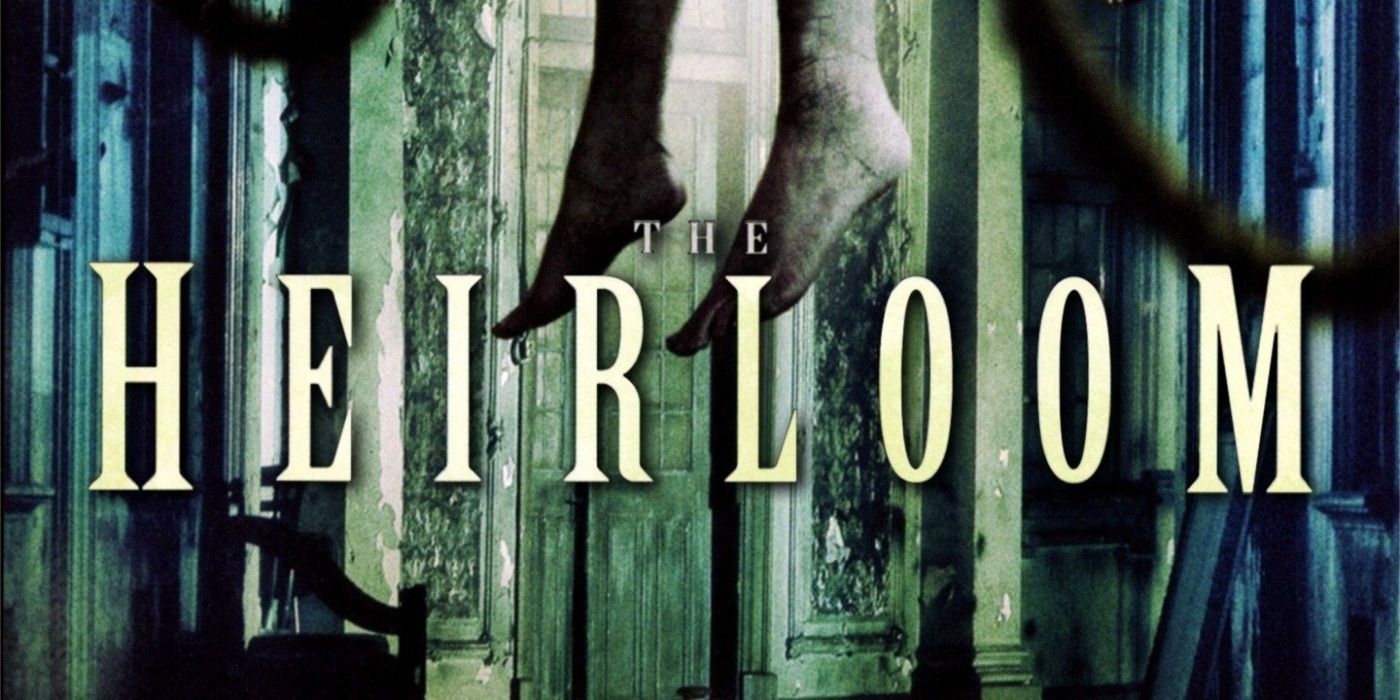





With the Japanese and Korean booms in horror overshadowing other nations regionally, we don’t tend to see as many other Asian cultures represented often. The Heirloom is a Taiwanese flick from 2005 that will help flesh out any aficionado’s repertoire.
In the Yang household, there is a sole survivor from the mass murder two decades prior. When he returns from England to inherit the family mansion with his fiancée in tow, a curse seems to plague him, lurking to claim its last victim.
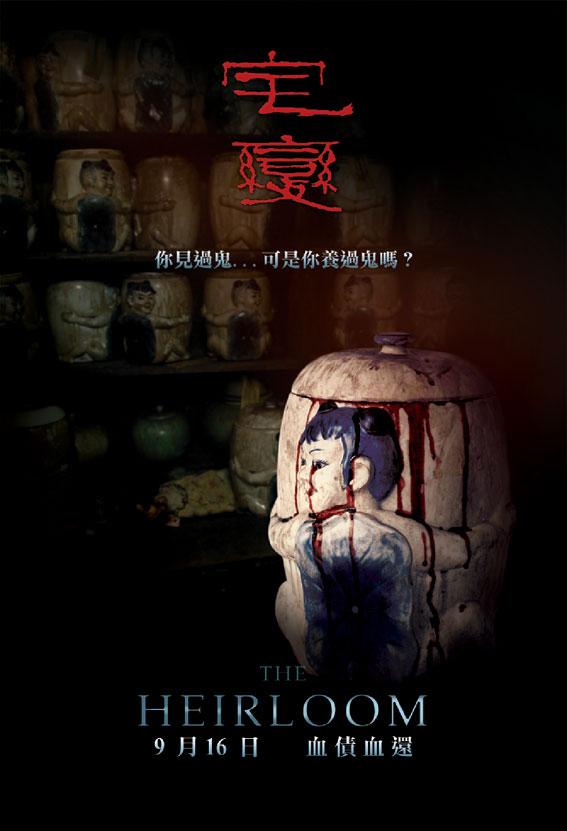
Not to tread slowly, The Heirloom starts us off with a brutal introduction about a folk practice where dead fetuses are worshipped in urns and fed with the blood of their master. In exchange for being fed and protected, the “child ghost” will bring their master power or fortune. What could go wrong with such a morbid ritual?
Dance, rose petals, hanging scenes that are mostly represented by feet, and other surreal images are spread throughout the film, lending an artistic flair that I appreciated. Not quite as gorgeous as things like A Tale of Two Sisters or Lady Vengeance, it still brought extra substance and drove the emphasis on its themes home.
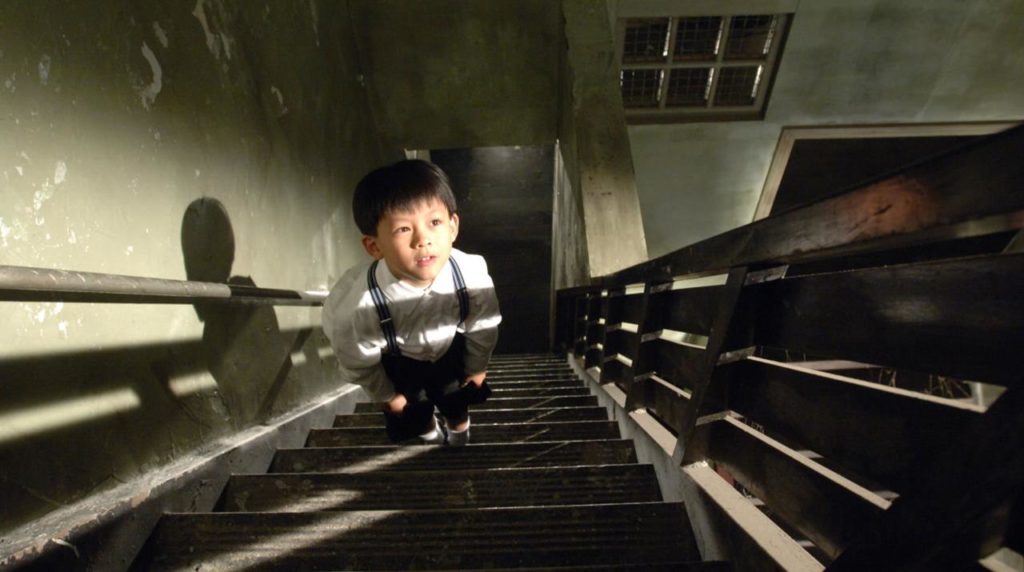
The acting is predominantly terse, fitting the characters and their relationship. Neither seems to really want to be in his unfamiliar, overly large home and away from their lives. Their attachments are struggling, as are their bonds with each other. The atmosphere enhances the situation perfectly, ala The Turn of the Screw. As the number of incidents increases, the couple realizes that there is more to their new home than they realized.
The “rules” of the house presented are unique and fun, and the plot working in little fake-outs throughout that captivated my interest. The camera work also precipitated this vision, deploying close-ups providing both trickery and interesting angles.
Woefully, the pacing is rather slow, relying less on jump scares and more on drama and visuals – a film style demanding a certain patience with value of the aesthetic. The Heirloom is better for fans who have experienced Asian cinema extensively, rather than a newbie used to fast Hollywood beats with more momentum. Although not amongst my top films, I was excited to rewatch it years later for this review – it does have some appeal at the very least.
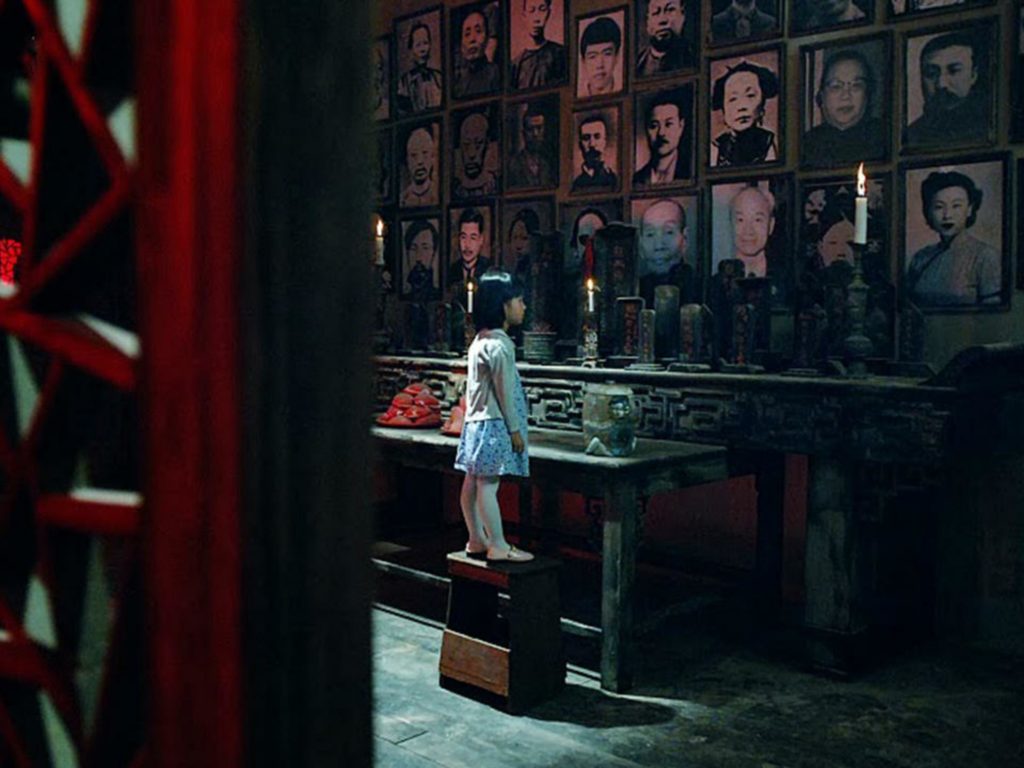
As a positive, the wardrobe department receives my praise. Scenes tend to be separated in period by color, and the flashbacks have lush jewel tones that really pop. The present scenes are stoic and washed out, with a very limited color palette of grey, blue, black, and other neutrals. It makes the present all the more grim when contrasted with scenes from the past, vibrant and alive, evocative of memories seared into time.
An open mind with The Heirloom is a worthy investment. The climax reveals much about the Yang family, and what happened with the child ghost, and none of the twists feel forced. We also witness the two lead actors expressing intense emotion that the rest of the film didn’t permit- a freedom for the actors to display their talent with intensity. Consider it another horror fan’s lesson learned: Don’t play with dead things.
More Film Reviews
So often the horror genre seeks to hold a mirror up to society’s most profound and insidious anxieties. From concerns surrounding the development of nuclear weapons during the 1950s, as… Veteran fans of Japanese horror are familiar with the name Takashi Shimizu, there’s no doubt about it. Having gained attention from horror fans all around the world with his Ju-On… Comedy Horror From the Bottom Shelf Horror Comedy is the beloved sub-genre that brings to mind everything from self-aware zombies to murderous inanimate objects, and the volume of films in… To me, the greatest American rock and roll band will always be The Cramps. Led by singer Lux Interior and guitarist Poison Ivy Rorschach, draped in vintage Frederick’s of Hollywood… Struggling to quit smoking, Piotrek’s fiancée signs him up for a course at an institute focused on providing help for men. However, after a room mix-up, he finds himself in… Strike of the Tortured Angels is a fairly obscure, though not totally unknown film; appearing in the 1980s as part of a wave of Asian films brought over to the…
Revenge (2017) Film Review – A Subversive Take on a Final Girl
Ox-Head Village (2022) Movie Review – The Final Film In Takashi Shimizu’s Village Trilogy

The 6 Levels of Horror Comedy – What NOT to Watch

Top Hate, Top Lust, Top Heavy: Severin Films Presents RUSS MEYER’S BOSOMANIA!

Alpha Male (2022) Film Review – The Absurd Temple of Bromanity!
Half-Breed Julie AKA Strike of the Tortured Angels (1974) Film Review – Korea Takes On Pinky Violence
Hello, I’m Quinn. Saying I’m deeply into fashion and Japanese culture is an understatement. We’ve renovated entire rooms of our house to dedicate to my collections of lolita and other Japanese fashions. I enjoy balancing the cute with the macabre, and the more disturbing it is, the more I’ll enjoy it. Thus, my love for Asian horror and manga was born. Thank you for taking the time to read my writings. I look forward to discussing films and aesthethics with you!