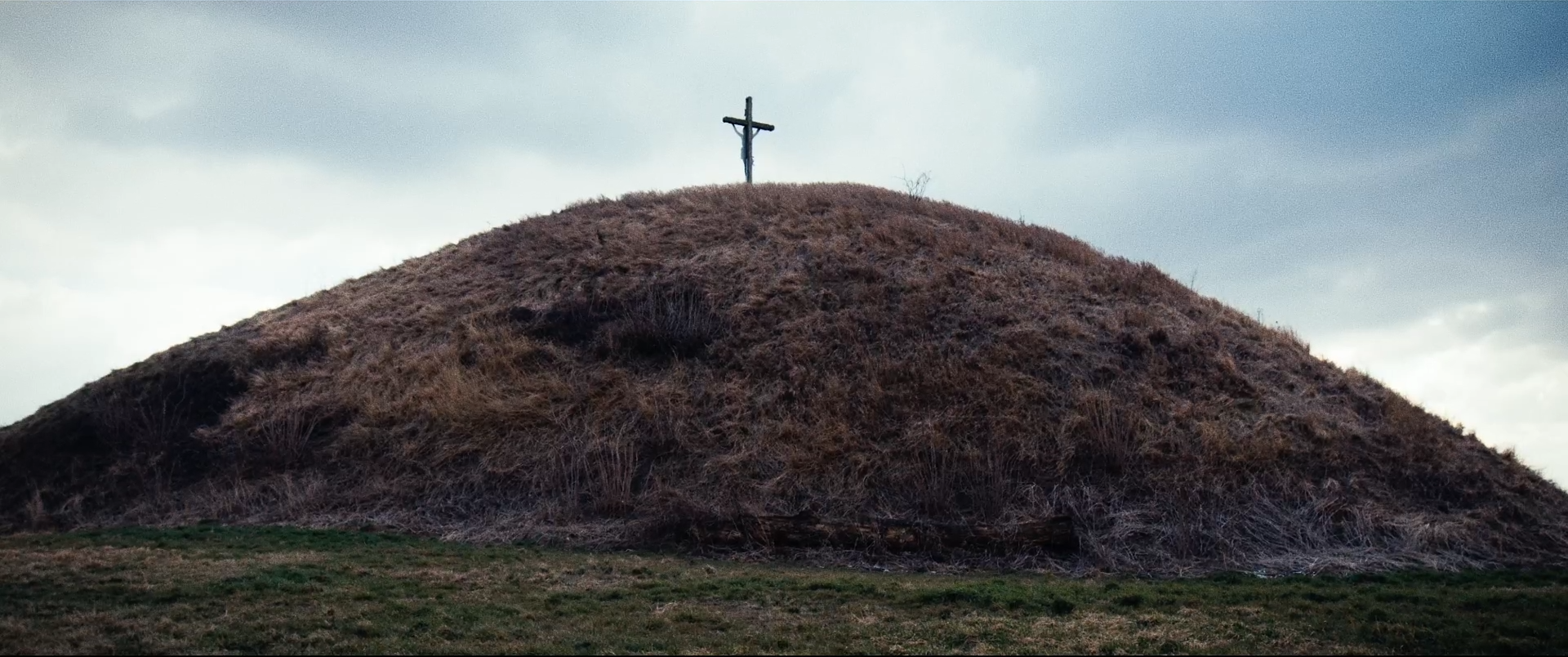





“South African enfant terrible filmmaker and artiste-cineaste Manus Oosthuizen meets with Rotten Tomatoes-approved indie film critic Babette Cruickshank in an Echo Park sound studio. With key members of Manus’s crew joining, they record an audio commentary track for his new elegiac feature documentary “Razzennest.” But the session goes down a different path. The ultimate elevation of arthouse horror, just not as you might expect.”
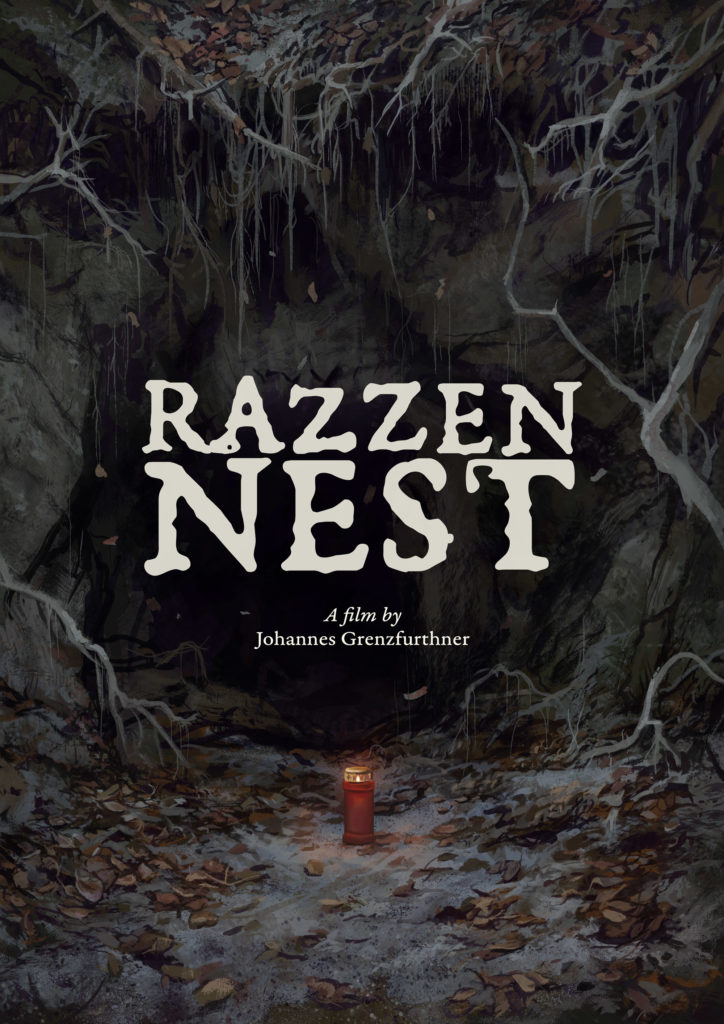
Director Johannes Grenzfurthner made a resounding impression with his previous film Masking Threshold, which depicts a slow descent into madness. The film is meticulously crafted through monolgoue and sound design layered over a fascinating array of disturbing visuals using a microscopic camera. Masking Threshold is an experience wherein the images on screen exist to add an extra layer of discomfort to a unique and ingenious script. Razzennest is a spiritual successor of sorts, sharing a similar structure that utilizes visuals that are incongruent with the story, which is told under the guise of a directorial commentary for the debut at the upcoming Fantastic Fest (where it is actually debuting). The newest outing from Grenzfurthner shows another skill set of the director while simultaneously deviating from what made Masking Threshold a true standout.
One of the largest notable shifts is in the tone of the production with Razzenest working best as a dark comedy. The dialogue is sharp and acutely self-aware, taking potshots at the film industry; at filmmakers and critics alike. Both professions have the potential to venture into an obnoxious pretentiousness if the ego is left unchecked, and the audience will certainly draw real-life comparisons to the personas of both Manus Oosthuizen and Babette Cruickshank.
Babette leans on buzz words and is often caught misquoting past information, embodying the self-assuredness of a ‘rotten’ critic who believes her word holds depth while aiming for the lowest common denominator to represent her views (Iit was the baby Yoda of the experimental film world”). Comparatively, Manus is presented as so high on his own artistic visions and superiority that he becomes a caricature of the most self-assured directors like Lars Von Trier or Park Chan-wook (comment on their perceived personas, not their art).
In comparison to Babette using films like Star Wars as reference points, Manus is quick to s*** on other directors with a lofty name value like Terrence Malick and David Lynch, or evoking Jodorowsky to draw comparisons to his own art. This dynamic, in what is a script read over random images, is pleasantly humorous and the few times it does match the visuals it makes for a wonderful moment of synchronicity that will keep eyes peeled to the random assortment of images. There are also other parties in the booth, with the DOP giving actual insight into the process, being told to essentially shoot b-roll all day that Manus has to spin into overseeing the spiritual message of the film despite not even being on ‘set’.
The other half of the film which marks a deviation into a more ‘horror’ driven narrative has the benefit of beginning to tie in closer to the visuals of the movies, as well as resulting in a complete breakdown of both the disingenuous industry-crafted personas of Manus and Babette. There is also suggestions of extreme depravities taking place that manage to be deeply unsettling despite the depictions reliant on the voice actors to sell the unseen horrors to the audience.
However, the shift into horror is not as engaging as the opening segment, with some of the effect wearing off after roughly half an hour of disturbing instances being described and the surviving Babette and Manus arguing with each other. There are still moments of dark humor here with the critic and director still discovering ways to mock and push at each other, maintaining the darkly comedic tone, yet the banter is not nearly as entertaining as the opening half. Admittedly, as a critic I thoroughly enjoyed the general mockery of the craft as humbleness is always something that I have felt is important in the role—Razzenfest is a reminder that one of the worst things you can do is to take yourself too seriously.
The other notable difference from Grenzfurthner’s previous work, Masking Threshold, is that Razzennest relies less on audio cues outside of commentary. Wherein Masking Threshold explores audio hallucinations through distortion and amplifying noise, Razzennest underutilizes the score, opting instead for a muted electronic fuzz that only bubbles to the surface from time to time. The score from Alec Empire (they could not get Slipknot) builds a solid foundation for the film and does tap into a general sense of unease, but it does little in comparison to Grenzfurthner’s previous which was a masterclass in how to utilize sound design to further push a narrative to a nauseating extreme.
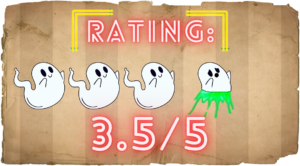
Razzennest is a unique experience and one that proves that Grenzfurthner is a profound talent to keep an eye on. Admittedly, with Masking Threshold being one of my favorite films of 2021, the majority of critique comes from it not quite hitting the same highs as that project, so take the final score with a grain of salt. Regardless, Razzenest is a must-watch for those who seek experimental horror and unique experiences in cinema. There is nothing quite like Razzenest—Johannes Grenzfurthner is one of the few modern filmmakers who can make the claim that they are creating wholly original cinema.
We Watched Razzennest as Part of the 2022 Fantastic Fest Line-Up
Past Festival Coverage
There are many different types of fears that can fester in the mind, everyone on some level knows what their greatest nightmare is – experiencing such emotions is an unavoidable… Self-described as a metalhead for life, Chilean filmmaker Patricio Valladares makes some noise in this year’s version of Unnamed Footage Festival. Taking place in San Francisco, this event is proud… Good Boy is a 2022 Norwegian horror thriller written and directed by Viljar Bøe. This isn’t Viljar’s first time behind the camera; he also wrote and directed the mystery thriller Til Freddy (2020)… “Ever try to lose yourself? No! Because you’re too busy trying to find yourself.” -Sissy St. Claire Subversive feminist filmmaker Amanda Kramer returned to this year’s Fantastic Fest… The Woods of Hawthorne, Illinois are Haunted… “I wanted to make a horror movie that toys with your expectations. ‘Hag’ starts as one thing and then morphs into something totally… One of the biggest highlights of the Japan Film Fest Hamburg rests within the diverse selection of short films. For the audience, this means getting the chance to see original…
Alone With You (2021) Film Review – A Metaphysical Nightmare
Invoking Yell (2023) Film Review- Not with a Bang but with a Shriek (Unnamed Footage Festival 666)
![Good Boy (2022) Film Review – Man’s Best Friend [FrightFest]](https://www.grimoireofhorror.com/wp-content/uploads/2023/08/Good-Boy10-365x180.jpg)
Good Boy (2022) Film Review – Man’s Best Friend [FrightFest]
GIVE ME PITY! (2022) Film Review – A Bold Assault on the Senses
![Hunting For The Hag (2023) Film Review [Unnamed Footage Festival 7]](https://www.grimoireofhorror.com/wp-content/uploads/2024/04/Hunting-for-the-Hag-cover-365x180.jpg)
Hunting For The Hag (2023) Film Review [Unnamed Footage Festival 7]
Japan Film Fest Hamburg JFFH 2021 – Short Films Spotlight