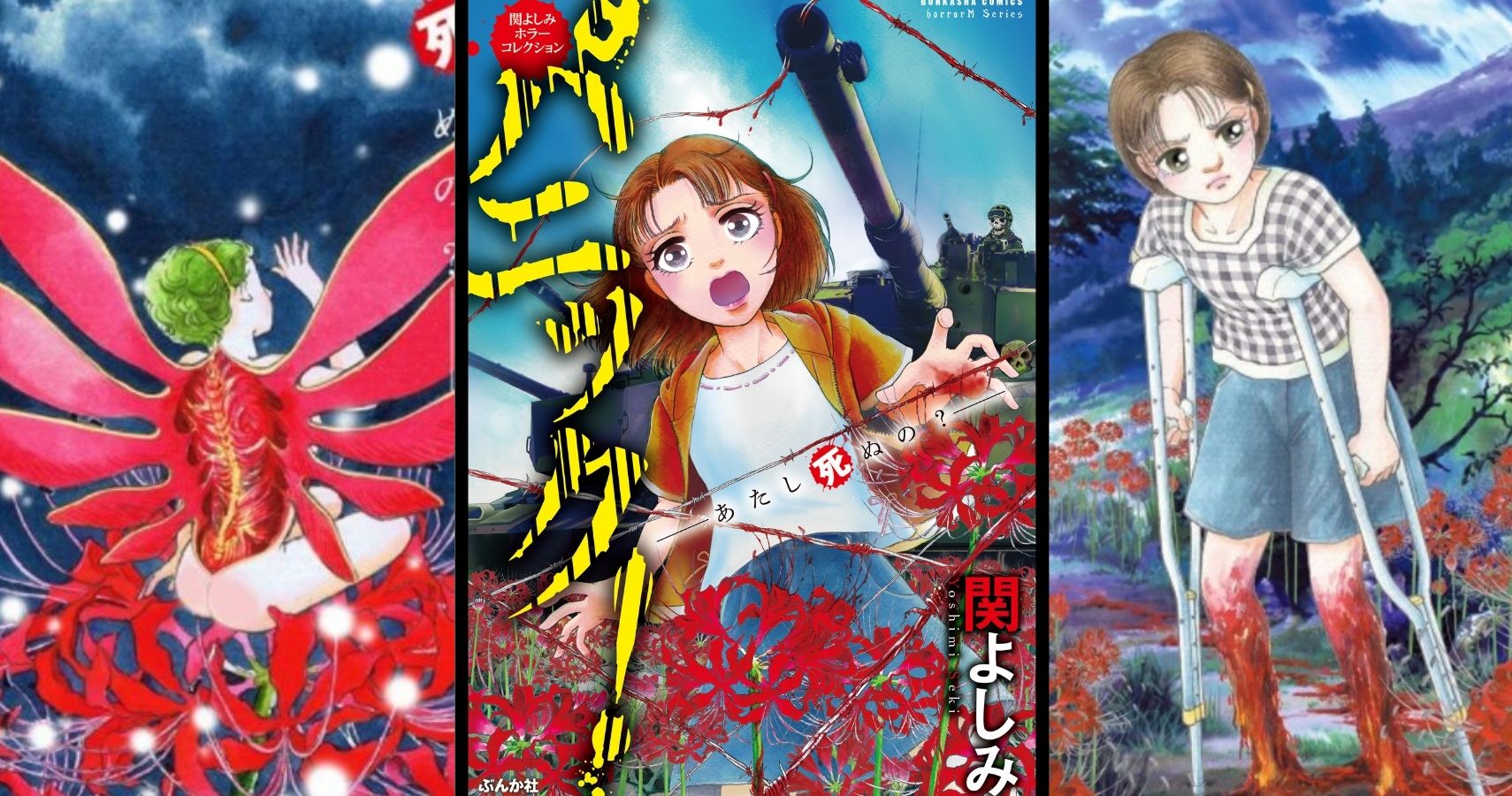




Collecting eight stories from mangaka Yoshimi Seki, the Yoshimi Seki Horror Collection is a title divided in two parts thematically. Focusing on horrors associated with war, both realistic and born of paranoia, the first half presents a few doomsday scenarios and a game of death through a minefield. The second half focuses on personal insecurities leading to ghastly crimes. In addition, the later act tackles sensitive subject matter such as self-harm, bullying and their place within Japanese society. Grounded in sad realism, the collection is a unique title but one that is bound to be divisive among fans in its particular approach.
To help horror fans decide if the work is for them, I will explore what works and does not work from my own experience.

What I Liked About It
The introverted nature of Seki is apparent in his work, tackling subject matter that is reflective of personal ruminations on the human versus focus on creating fantastical stories full of monsters and supernatural. In this regard, the mangaka carves out a niche not often explored within a horror title of this ilk. Essentially, the amount of violent gore told through segmented stories feels familiar within the horror format, but the actual content carries a deeper narrative depth than most fans will expect at a passing glance. Perhaps the best example comes from the chapter ‘the mystery of masochism’, which explores peoples relationship with self inflicted pain as both punishment and motivator. Ultimately, Seki’s horror is grounded in tragedies within the human condition make this work a notable entry in the horror genre in delivery alone.
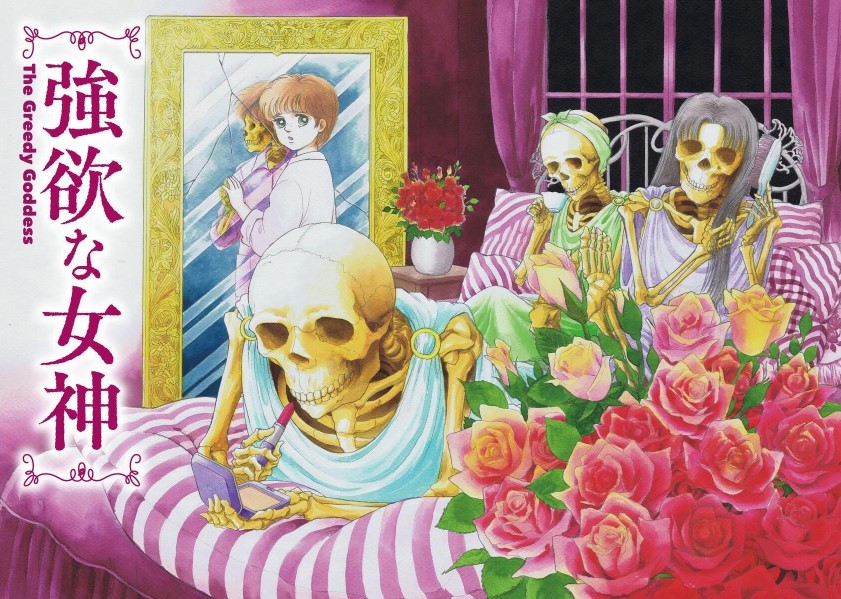
The book contains a fair amount of colour work which acts as ideal showcase for the art of Seki. Admittedly, these portraits are heavily focused on youth to a fault, with many visions of extreme suffering pushed onto children. While this is nothing new to the horror manga genre, Seki’s aesthetic feels heavily focused on representing these dire situations happening to children. Regardless, the colored panels are pretty stunning and give the release a nice flair. Notably, the use of red which bleeds into the work gives it an intense atmosphere, even among the violence-free panels.
There are a few stand-out stories among each of the themes that I adored. Firstly, the war-inspired story of ‘The Red Flower of Despair’ paints a morbid situation of a large crowd of people running through a minefield under the promise of untold riches. This segment highlights Seki’s style at his most chaotic and is more action-oriented than the other war-related stories in the release – it is both disturbing and fun. The previously mentioned ‘The Mystery of Masochism’ approaches the uncomfortable subject of self-harm with consideration for underlining psychological issues facing kids and amps it up to horrific effect. Overall, these two titles point to Seki as a talent in crafting visually engaging and poignant narratives.
What I did Not Like About It
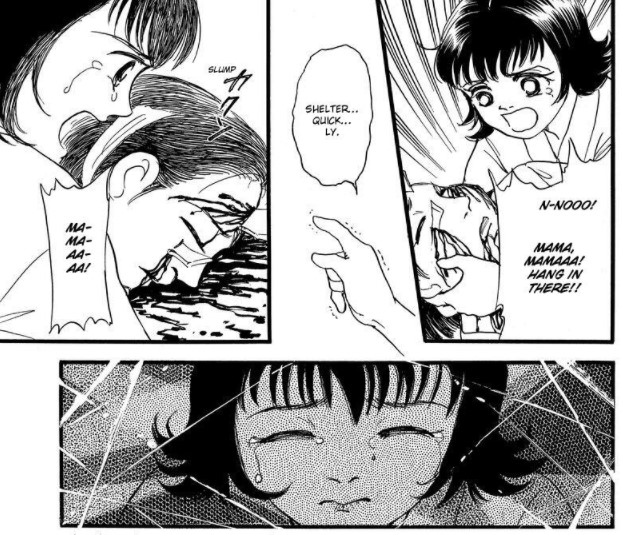
Despite loving two stories in particular, the majority of the work fell flat for me. Admittedly, my interest in horror does stem from sensationalism and absurdity, so tales grounded in reality, coupled with the short segmented format, don’t hold my interest as deeply. However, I would argue that certain stories fail regardless of preference, with one of the major downfalls being the narrative-heavy nature to cram a broad concept into a few pages. For example, the first chapter ‘Countdown to Despair’ was executed so poorly that I was almost deterred from exploring the work altogether. It was certainly worth persevering to get to certain segments, but the collection is underrealized and stilted as a whole.
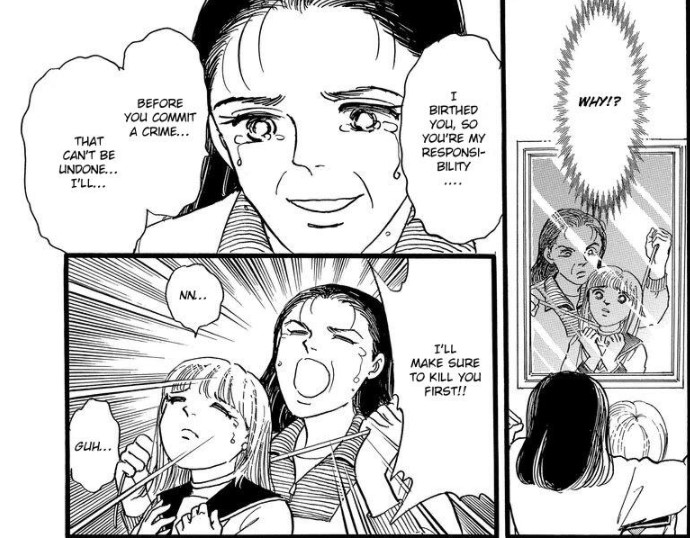
Unfortunately, while the colour panels were commanding of attention and intriguing, the actual manga lacks a definitive aesthetic. Although panels are very busy with text, the work lacks those definitive panels within stories that lead to admiration of the work collectively. It would be unfair to say that Seki is not an accomplished artist in the medium, but the work on display here is delivered in a rather uninspiring manner outside of the colour pages opening some of the chapters.
Overall Thoughts
Yoshimi Seki is one of those mangaka’s which I don’t have a strong opinion on, and it would be hard to say I am a fan if pushed. While I certainly loved two of the entries in this collection, the overall impression was not favorable. At the same time, others who find themselves deeply drawn into the work are not something I would fault or question. Essentially, Yoshimi Seki fills a nice niche in horror that is not often explored, and while that may be for a good reason, it will certainly speak to a certain audience who prefers grounded realism within the horror genre.
On a personal note, I am excited to keep on exploring these titles made available through fan translations and I do truly hope that any discussion on manga titles can lead to publishing at a later point. If anything, I would love to own a physical copy for the color panels alone.
More Manga Reviews:
Hello Spookies! Class is in session! I’m here to let you know about a little J-Horror project brought to you by Junji Ito and Junji Inagawa. A lot of you… Recently, disturbing news regarding Masaaki Nakayama, a horror manga author known for his manga Fuan no Tane (2013), has been circulating online. According to many social media posts, he has… Higurashi: When They Cry – GOU is a 2-volume psychological horror manga, written by Ryukishi07/7th Expansion and illustrated by Tomato Akase. Ryukishi07 is a Japanese author, artist, and representative of… Before finding success with his nostalgic “High Score Girl”, Rensuke Oshikiri went full-Michael Haneke and brought us “Misu Misou”. Bleak, cruel, and extremely tragic, this manga explores to an extreme… “Daisuke Ichiba is not a manga artist, he is a drawer of beautiful women!” There are few Japanese underground creators that can hold sway over a select few and never… Mieruko-chan Anthology Comic is a 2023 compendium of short, one-shot manga based around the characters of Tomoki Izumi’s popular supernatural manga/anime Mieruko-chan. The anthology features work from Yousuke Katayama, Shuu…
The Junji Ito Horror Project: Tales of Terror Retold
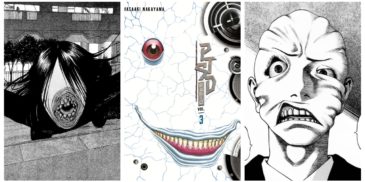
PTSD Radio (2010) Manga Review – When reality meets fiction (sort of)
Higurashi: When They Cry – GOU: Volume 2 (2023) Manga Review
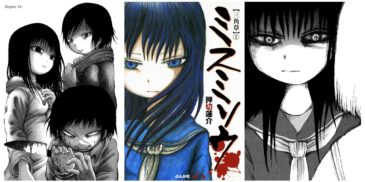
Misu Misou (2009) Manga Review – Not Quite Sweet Revenge
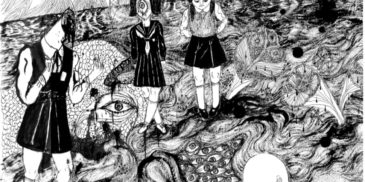
KSKHH (2021) Manga Review – Oh What Beautiful Filth!
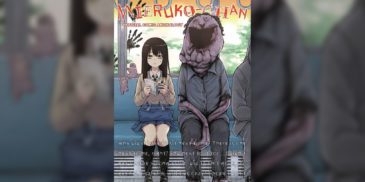
Mieruko-chan Anthology Comic (2023) Manga Review – An Official Collection of One-Shots