





Missing Child Videotape is a 2024 Japanese supernatural horror film written and directed by Ryota Kondo with additional writing from Suzuyuki Kaneko. Known for directing the short films Akai tegata (2010) and Kyouran (2010), Ryota Kondo has also collaborated on the horror anthology Hyakki Yobanashi (2023), featuring the segment “Oni no Yobigoe”. Whereas Suzuyuki Kaneko has worked as a writer on feature-length films such as Wonderful Paradise (2020) and Nuigurumi to shaberuhito ha yasasii (2023), TV series such as Kingdom (2022) and Kaze no Fuku Shima (2025), and has even starred in several titles as an actor, including Koji Shiraishi’s Senritsu Kaiki File Kowasugi: The Most Terrifying Movie in History (2014).
One day, a videotape unexpectedly arrives from his mother. It shows the moment of his brother’s disappearance 13 years ago. As unforgettable and ghastly as this memory is, Keita decides to confront the incident once more and retrace the past, heading to the ruins of a mountain that should never have existed.
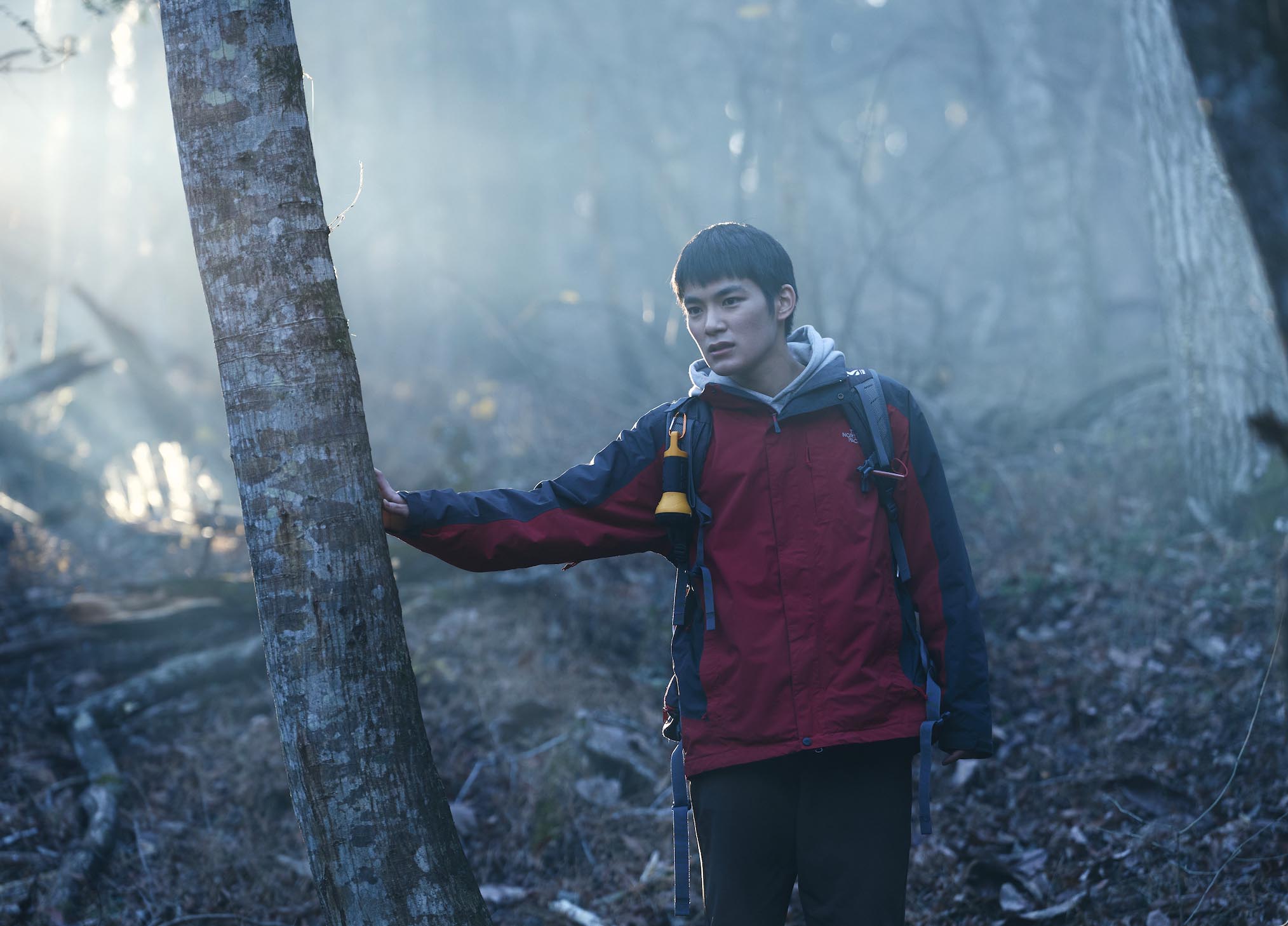
As a remake of the director’s 2023 short film of the same name, which secured 2nd place at the Japan Horror Film Awards 2024, this feature-length version effectively expands on the initial concept. Blending subtle supernatural elements into a somber tale of regret and remorse, this aspect gradually becomes a more significant part of the narrative’s slow-burn progression. This gradual introduction to the film’s horror elements creates an exceptionally effective buildup of enigmatic tension that continues to mount until the very end.
While the majority of Missing Child Videotape is filmed through slick, modern cinematography, the film also incorporates a level of archaic VHS-style found footage interwoven into the narrative. The cinematography features an abundance of tight, single shots, only cutting to a new angle when necessary, which successfully centers the focus of a scene exceptionally well. Additionally, the use of a low depth of field and manipulation of camera focus highly emphasizes control over the audience’s perception, utilizing some effective reveal shots. However, the found footage stands in stark contrast to this, featuring a bygone 4:3 ratio and highly saturated, bleeding colors. The footage feels quintessentially 90s, even though it is actually dated to 13 years prior (2012, dies inside).

Featuring little to no score to speak of, Missing Child Videotape carries an eerie, deafening silence throughout. Mostly consisting of general ambient sound, even this can take a back seat to deliver an unsettling level of quiescence, compounding the atmospheric tension derived entirely from the cast’s performances. While this technique does leave a lot of ‘dead air’ at times, this laconism certainly attains an uneasy atmosphere that works well with the bleak tone of the narrative. However, the few times this ‘iron curtain’ is lifted, a strong flurry of low-pitched drones assaults the audience after such a prolonged lack of sound–intensifying its impact.
An exceedingly unhurried tale of contrition, Missing Child Videotape is a gradual yet consistent descent into the effects of prolonged mournfulness and the damage a lack of closure can bring. With nuanced performances from the entire cast, a sombre yet gripping narrative with fantastic pacing, and an accoutre (lack of) score, the film is a highly rewarding, albeit melancholic watch that is sure to grip its audience until its final moments.

We watched Missing Child Videotape (2024) at this year’s Nippon Connection .

More Film Festival Coverage

Japan Film Fest Hamburg 2021 – Embracing The Underground
Celebrating Japanese cult cinema, the Japan Film Fest Hamburg is gearing up for its 2021 season running from August 18th to September 1st. What has got us so excited for…
![The Invisible Half (2025) Film Review – Creeping Doom and Plenty of Gloom [Another Hole in the Head Film Festival]](https://www.grimoireofhorror.com/wp-content/uploads/2025/12/Untitled-design-14-365x180.jpg)
The Invisible Half (2025) Film Review – Creeping Doom and Plenty of Gloom [Another Hole in the Head Film Festival]
We meet Elena, a “gajin” with a British father and Japanese mother, at her lowest, in a hospital bed after an implied attempt at taking her own life, or self-harm…
Ultrasound (2021) Film Review – A Meticulously Composed Surreal Nightmare
Rob Schroeder delivers an incredible directorial debut with this aesthetically lush and deliciously convoluted mystery box film. After his car breaks down during a storm, our protagonist Glen (Vincent Kartheiser)…
FTW (2010) Movie Review
Here at the Grimoire of Horror, we’ve reviewed both Jorge Torres-Torres’s Fat Tuesday and Sisters of the Plague, commented on him being one of the most underrated independent filmmakers working…
![The Rebrand (2025) Film Review – Turning Queer Mommy Content Into Nightmare Fuel [Unnamed Footage Festival]](https://www.grimoireofhorror.com/wp-content/uploads/2025/03/The-Rebrand-2024-Horror-Movie-Review-365x180.jpg)
The Rebrand (2025) Film Review – Turning Queer Mommy Content Into Nightmare Fuel [Unnamed Footage Festival]
Who knew queer mommy vlog culture could be this unhinged? The Rebrand (2024), written and directed by Kaye Adelaide and with additional writing from Nancy Webb, is a wickedly…
New Religion (2022) Film Review – The Degradation of Society
New Religion is a 2022 Japanese surrealist horror, written and directed by Keishi Kondo in his feature-length debut. Kenshi is also known as the writer/director/cinematographer behind the drama short See…

Hey there, I’m Jim and I’m located in London, UK. I am a Writer and Managing Director here at Grimoire of Horror. A lifelong love of horror and writing has led me down this rabbit hole, allowing me to meet many amazing people and experience some truly original artwork. I specialise in world cinema, manga/graphic novels, and video games but will sometime traverse into the unknown in search of adventure.