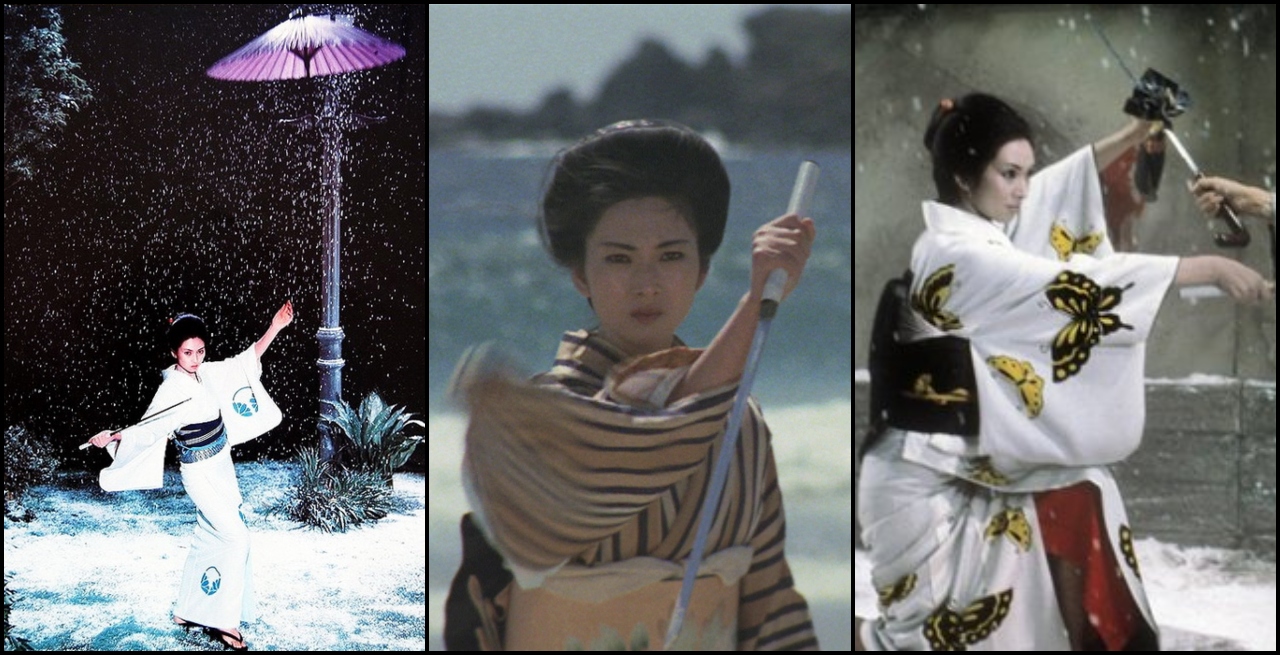





Lady Snowblood is Toshiya Fujita’s 1973 Japanese exploitation flick, which inspired the likes of Tarantino’s Kill Bill and countless other directors, featuring the beautiful Meiko Kaji, also famous as Lady Scorpion, in the central role as a wronged woman seeking revenge tenaciously. The choreographed action sequences of vivid brutality – where translucent blood is sprayed fantastically as limbs are severed – and complimentary scenery – such as blood on snow for a strong contrast – both serve the incredible cinematography for a potent backdrop to stylish execution. From beautiful floral groves to scenic seasides in the foreground, combined with elaborate Meiji furnishings for interiors, this period film – referred to as ‘jidaigeki’ in Japanese – is in no way a shallow production, the set design and fashion are strong enough to contest any Spaghetti Western in visual integrity – a tale of revenge in an anarchistic feudal setting where conventional morals of modernity may not apply (as in America’s frontier).
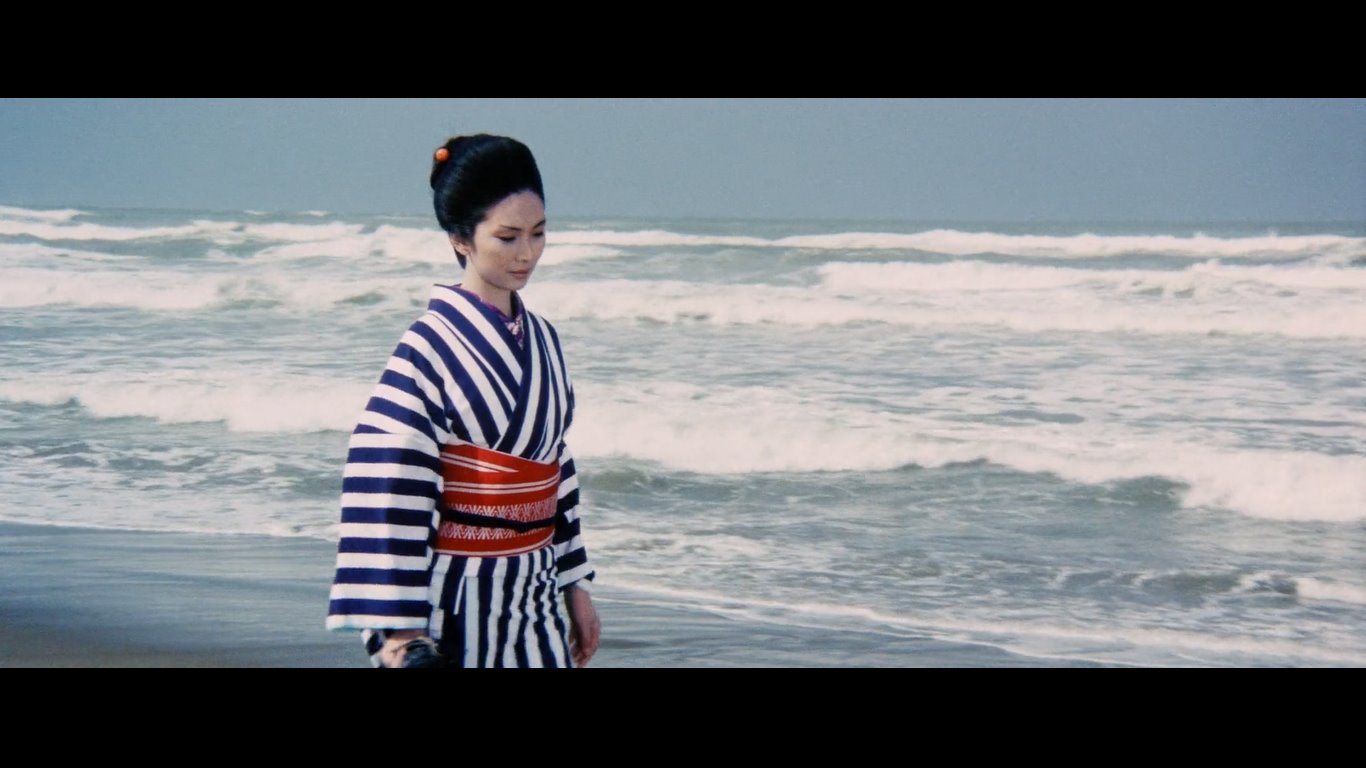
The aesthetic audacity is at the forefront of the production value now having Lady Snowblood memorable as a cult classic. With a narrative secondary to both the tone and style, Lady Snowblood fully embraces violence creatively and the atmospheric grit of a ruthlessly feudal Japan – it is a straightforward revenge plot that’s enthralling for the journey of righteous carnage. As the plot simplistically follows the notion of revenge, so was Lady Snowblood born and raised – a mere vessel of vengeance for her deceased family’s wrath. There’s no deeper allusion through the bloodshed of slashed necks and hacked limbs, Lady Snowblood confidently positions itself as a genre work – a violent, revenge-fuelled adventure satisfying one’s sense of personal justice.
The film opens with a fable explaining the circumstances surrounding the birth of our titular character, Yuki Kashima, who’s conceived in prison as a deliberate ploy of her powerless mother – a desperate hope to enable vengeance against those having caused her dire situation. Yuki’s mother was imprisoned for killing one of several criminals who not only crudely assaulted her in every way, they murdered both her husband and son – wrecking any aspiration of family as her meaningful legacy. All that remains is her understandably seething rage and such emotion diverted into engineering her daughter into a destructive vessel of that. Hopeless and subdued from achieving any justice, her only hope is this untainted successor to be trained for such a mission, her daughter an instrument of such carnal bloodlust over more dignified family values since destroyed.
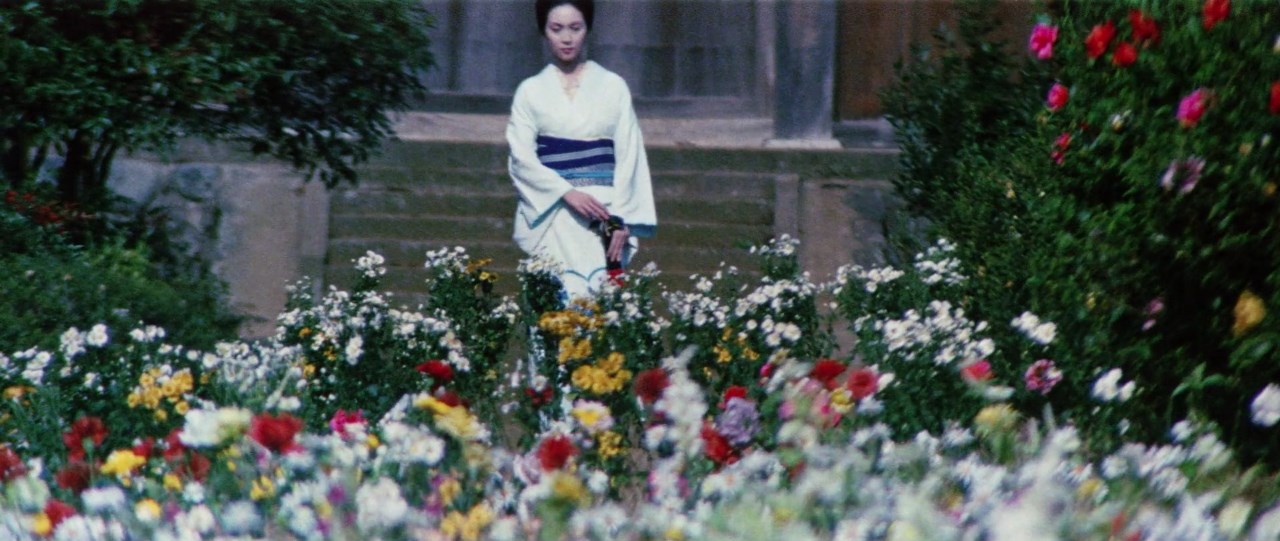
Adorned in a white kimono with starkly black obi for the finale, with a dispassionate expression of composed determination, Yuki Kashima’s graceful movements are precise as her focus – a heft on screen in a splendid performance as a dignified assassin whose purpose is immediately felt as charisma as her distinctive figure blooms through the stark visuals. Lady Snowblood‘s chromatic figure is deservingly iconic in every respect from an energy channeled into her immense aura of acting talent: her refined posture, intense demeanour, laconic responses, soulful look, and confident stride.
Interjected with stills of Kazuo Koike’s original manga that served as the foundation to the film adaptation, Lady Snowblood carries the manga roots proudly and provides an extravagant carnage to indulge our worst instincts – it is undeniably a fun adventure as a pivot into entertainment of guilty pleasure.
More Film Reviews:
Synopsis: Childhood friends are trying to carve out their own piece of infamy online by staging exorcists and selling bunk merch. Wanting to increase their following, the two struggle to come… When I watch a horror movie from the 80’s, I inevitably have the thought of “how the hell did this movie get made?” Don’t get me wrong, there are some… Khavn De La Cruz, or simply Khavn, is a Filipino director best known for his 2010 crime comedy film Mondomanila. His works never cease to emanate with his knack for… Koji Shiraishi proves his sincerity and devotion to the found footage subgenre in his 2012 low-budget mockumentary Senritsu Kaiki File Kowasugi! File 01 – Operation Capture the Slit-Mouthed Woman. While… Shot in the Dark is the directorial debut of Keene McRae. Co-written by Kristoffer McMillan and Lane Thomas, it should be noted that all three also perform roles in the… When Paul’s chance of winning a national talent competition are ruined & his dreams of fame slashed, he plans a deathly revenge mission. 1 lunch break, 5 spectacular murders. Will…
The Cleansing Hour (2019) Review – The Devil Wants More Followers!
Phantom Of The Mall: Eric’s Revenge (1989) Film Review – Remastered Slasher For FrightFest

Three Days Of Darkness: Zero (2005) Film Review – Let Darkness Swallow You Whole
Senritsu Kaiki File Kowasugi File 01: Operation Capture the Slit-Mouthed Woman (2012) Film Review—A Gem Hidden in Plain Sight
Shot in the Dark (2021) Film Review – A Mired Exploration of Loss and Small Town Regret
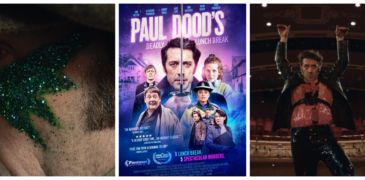
Paul Dood’s Deadly Lunchbreak (2021) Film Review – British Dark Comedy… with Glitter

Some say the countdown begun when the first man spoke, others say it started at the Atomic Age. It’s the Doomsday Clock and we are each a variable to it.
Welcome to Carcosa where Godot lies! Surreality and satire are I.
I put the a(tom)ic into the major bomb. Tom’s the name!