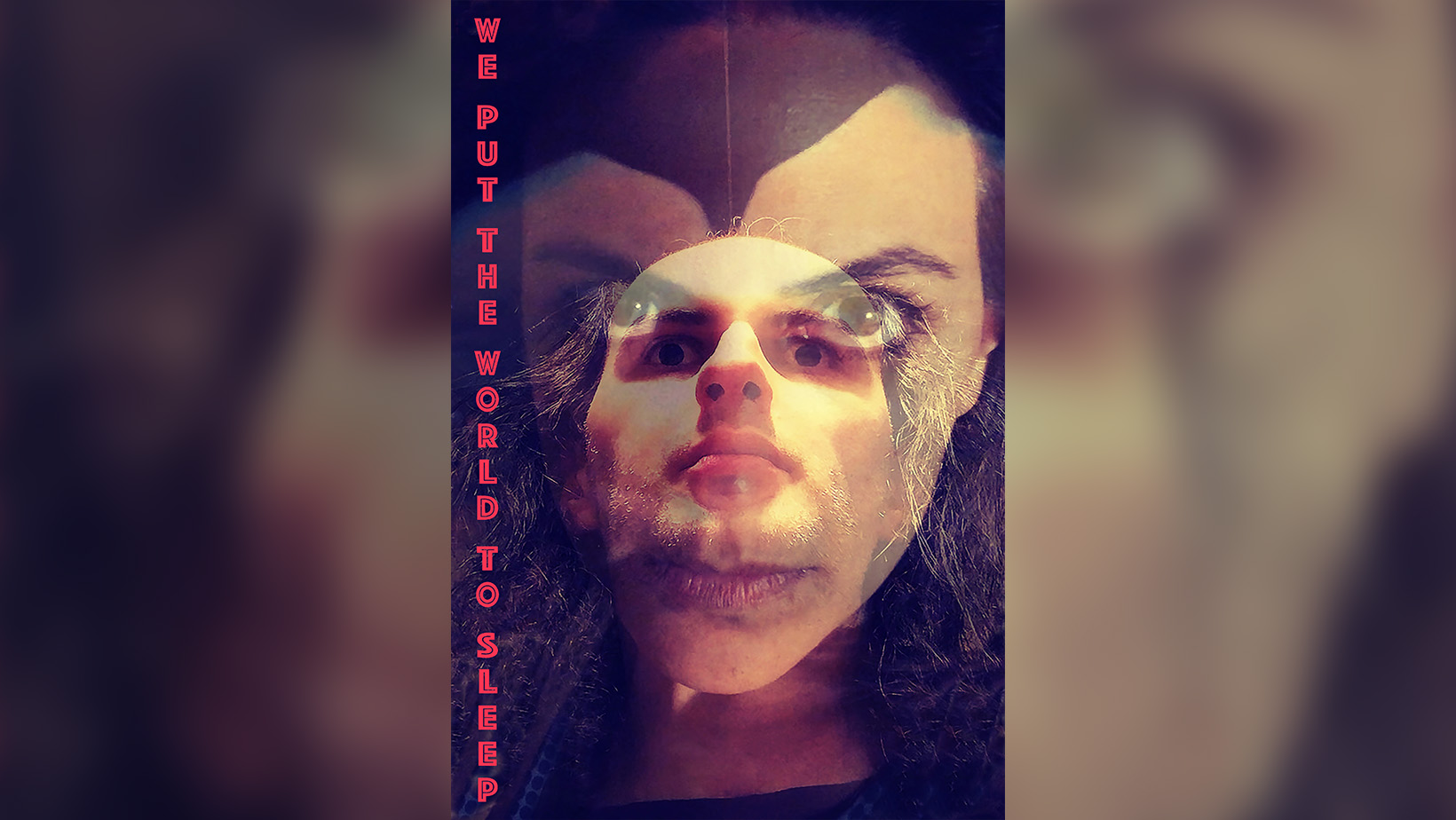





We Put the World to Sleep is a 2025 found footage horror/faux documentary written and directed by AdrianȚofei, with additional writing by Duru Yücel. Filmed across 13 cities, villages, and remote locations in Romania, Turkey, and Ukraine, the film’s development began in 2015 and spanned over nine years of filming. Adrian and Duru captured approximately 150 hours of guerrilla-style footage, improvising most of their dialogue while finalising story details during editing. The film is regarded as the second entry in Adrian and Duru’s spiritual trilogy, which includes Be My Cat: A Film for Anne (2015) and the upcoming third entry, Pure.
The story follows a fictional version of Adrian and Duru, who become lost in their characters in an apocalyptic film and set out on a secret mission to end the world for real.
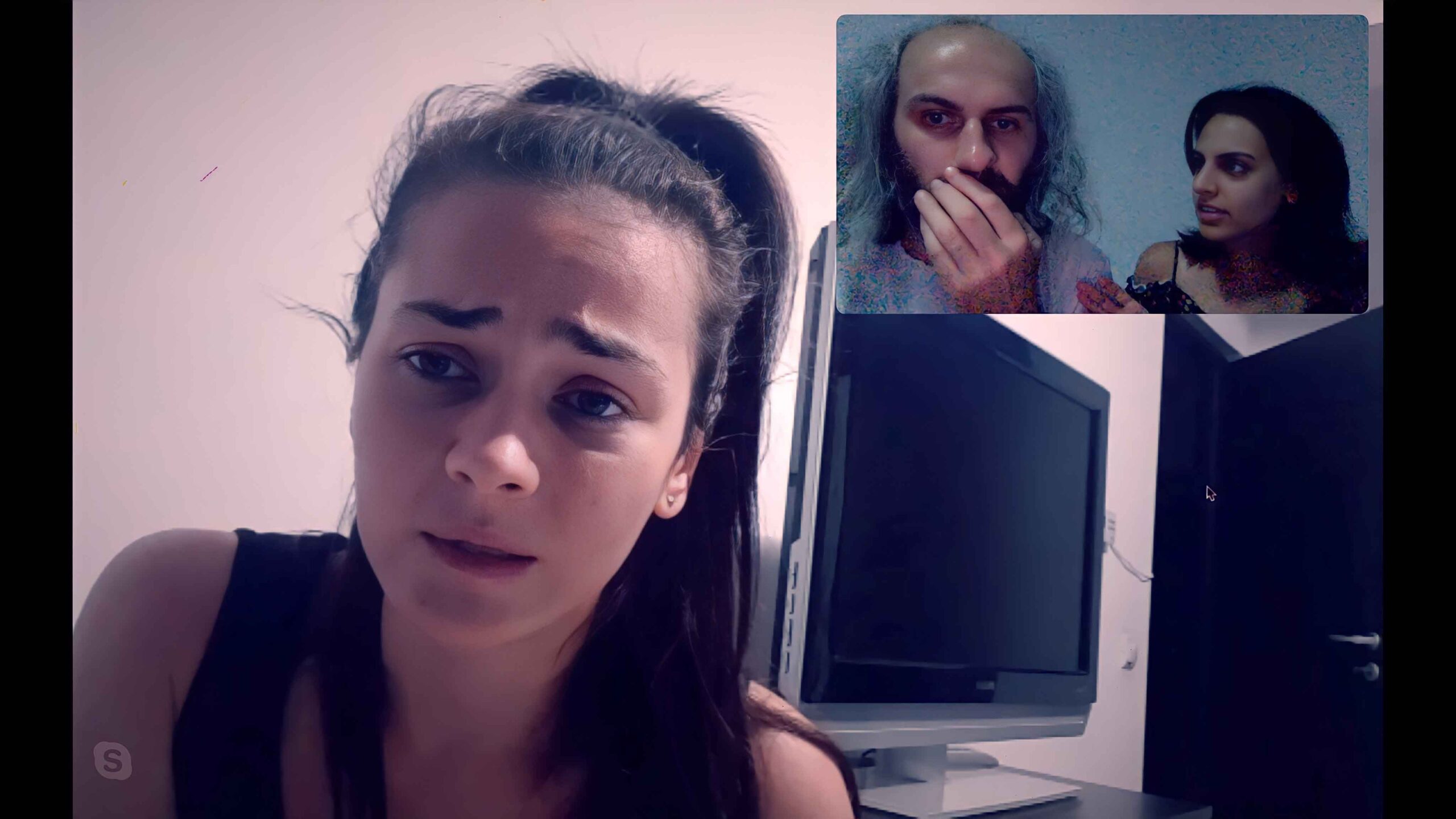
Taking a more aberrant approach than before, We Put the World to Sleep explores a highly experimental narrative structure that defies easy categorisation. Framed as an internet user watching the film on their computer, the film contains multiple stories divided into chapters, each featuring a self-contained narrative connected by themes of meta-twists, the dangers of method acting, and questioning the boundaries of reality.
As such, the film is a stark departure from the three-act structure prevalent in Be My Cat. The fragmented narratives and unconventional progression might be surprising compared to Adrian and Duru’s earlier works. However, for those who appreciate cinema that rejects traditional structure, the film offers an astonishing, multifaceted character study within a broader character exploration, layered with a veneer of found footage horror.
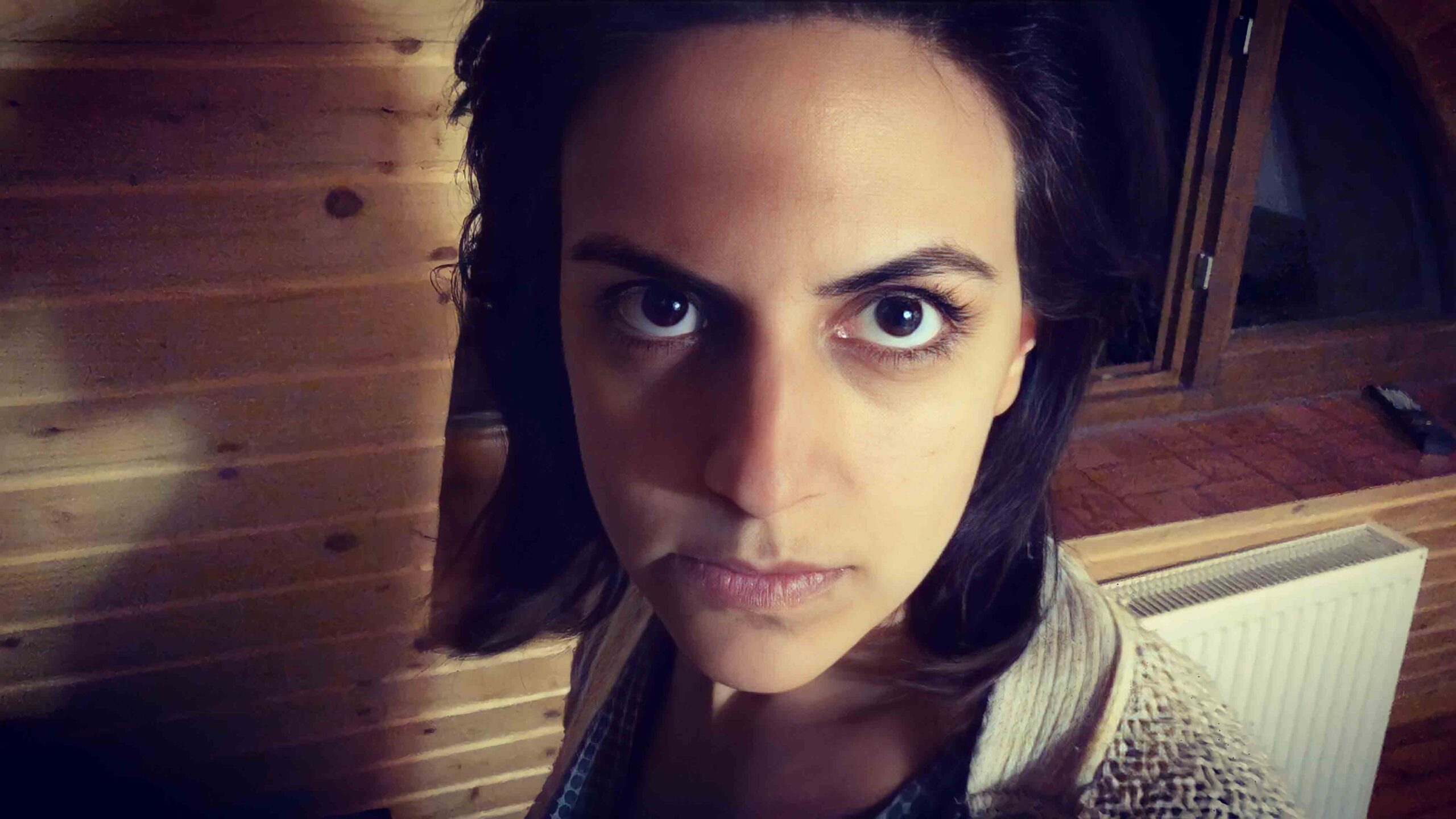
Primarily consisting of footage of Adrian and Duru, it can be challenging for viewers to distinguish between characters and their actors. By fully embracing their roles and remaining in character throughout filming, their different selves feel instinctive–hardly resembling mere roles. Although a few other actors appear, such as Erisse Peterson, Andreea Enciu, Danha Yunes, and even Adrian’s mother, Dorina Tofei (returning from her breakout role in Be My Cat), these parts are minor and serve to further the story.
Adopting a deliberate approach to its found footage style, the cinematography of We Put the World to Sleep emphasises its raw, unpolished visuals. Shot entirely on an iPhone, disregarding professional lighting and framing, it offers a more authentic and intimate feel, creating unease through its candid style.
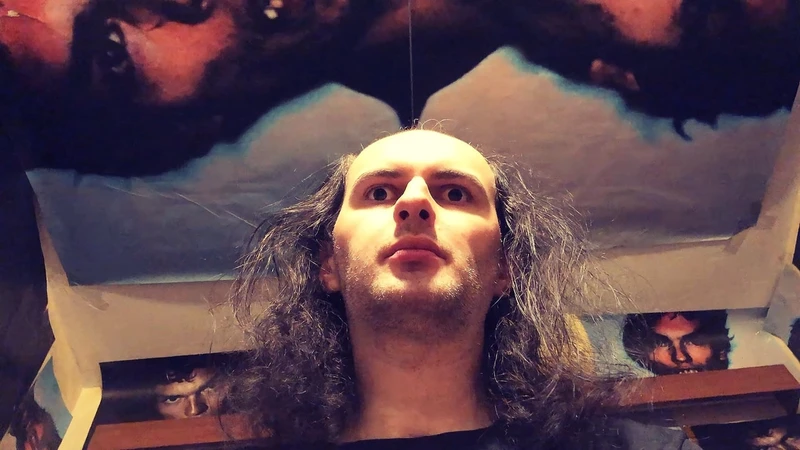
The footage reflects the emotional and mental states of each character, with erratic and sometimes disorienting camerawork—intentionally conveying shock, panic, or emotional numbness through visual expression. Notably, in Chapter two, where Adrian and Duru discuss their approach to their latest project, a mirror is used to keep both characters in shot. As the chapter progresses, the camera work becomes more erratic and disorienting by design—highlighting Adrian’s growing mental deterioration.
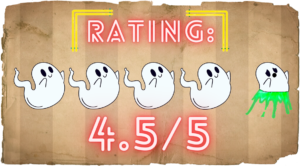
An abstract examination of metaphysical filmmaking, We Put the World to Sleep is a remarkable dissection of the genre that pushes its limits. Its highly experimental, purposeful design conveys nuanced storytelling through visuals alongside its traditional narratives. While this change in style may be off-putting to some, those who appreciate unconventional cinema will find this unorthodox approach to found footage highly engaging and effortlessly compelling.
We watched We Put the World to Sleep (2025) at this year’s Nightmares Film Festival 2025
More Film Festival Coverage
This is GWAR (2021) Film Review – There Will be Blood
How many of you have been to a GWAR show? If you haven’t, I bet you know someone who has, and I can guarantee you that person has some stories…
![Angel’s Egg (1985) Anime Review – GKIDS’ 4K restoration [Fantastic Fest 2025]](https://www.grimoireofhorror.com/wp-content/uploads/2025/09/Angels-Egg-cover-365x180.jpg)
Angel’s Egg (1985) Anime Review – GKIDS’ 4K restoration [Fantastic Fest 2025]
Angel’s Egg (Tenshi no Tamago), a 1985 sci-fi fantasy anime film directed by Mamoru Oshii and illustrated by Yoshitaka Amano. Oshii is best known for directing the cult classic adaptation…
![TADFF 2023 Canadian Shorts (Pre-features) [Toronto After Dark Film Festival]](https://www.grimoireofhorror.com/wp-content/uploads/2023/10/Untitled-design-18-365x180.jpg)
TADFF 2023 Canadian Shorts (Pre-features) [Toronto After Dark Film Festival]
Alongside their dedicated Shorts Showcase (both Canadian and International), the Toronto After Dark Film Festival offers bitesize extras for those attending. Each of the main features is preceded by a…
![Buffet Libre (2025) Film Review – The Secret Ingredient is Murder [Another Hole in the Head Film Festival]](https://www.grimoireofhorror.com/wp-content/uploads/2025/12/Buffet-libre-cover-365x180.jpg)
Buffet Libre (2025) Film Review – The Secret Ingredient is Murder [Another Hole in the Head Film Festival]
Buffet Libre marks the third feature film from actor/director Zoe Berriatúa, and his first dive into more macabre subject matter. Here, the story follows an older Chinese couple, Xian (Yan…
The Spore Film Review (2021) – An Apocalyptic Infectious Outbreak
Something deadly has begun in the woods as an infectious spore mutates from ‘Patient Zero’ to begin an alarming spread. People are its food source as well as reproduction method,…

Tahoe Joe 2: The Sierra Nevada Bigfoot Conspiracy (2024) Film Review – Ghillie Girls Gone Wild!
“Once More Into The Breach” Tahoe Joe 2: The Sierra Nevada Bigfoot Conspiracy (2024) follows indie filmmakers Michael Rock and Dillon Brown of Horror Dadz Productions as they return to…
Hey there, I’m Jim and I’m located in London, UK. I am a Writer and Managing Director here at Grimoire of Horror. A lifelong love of horror and writing has led me down this rabbit hole, allowing me to meet many amazing people and experience some truly original artwork. I specialise in world cinema, manga/graphic novels, and video games but will sometime traverse into the unknown in search of adventure.