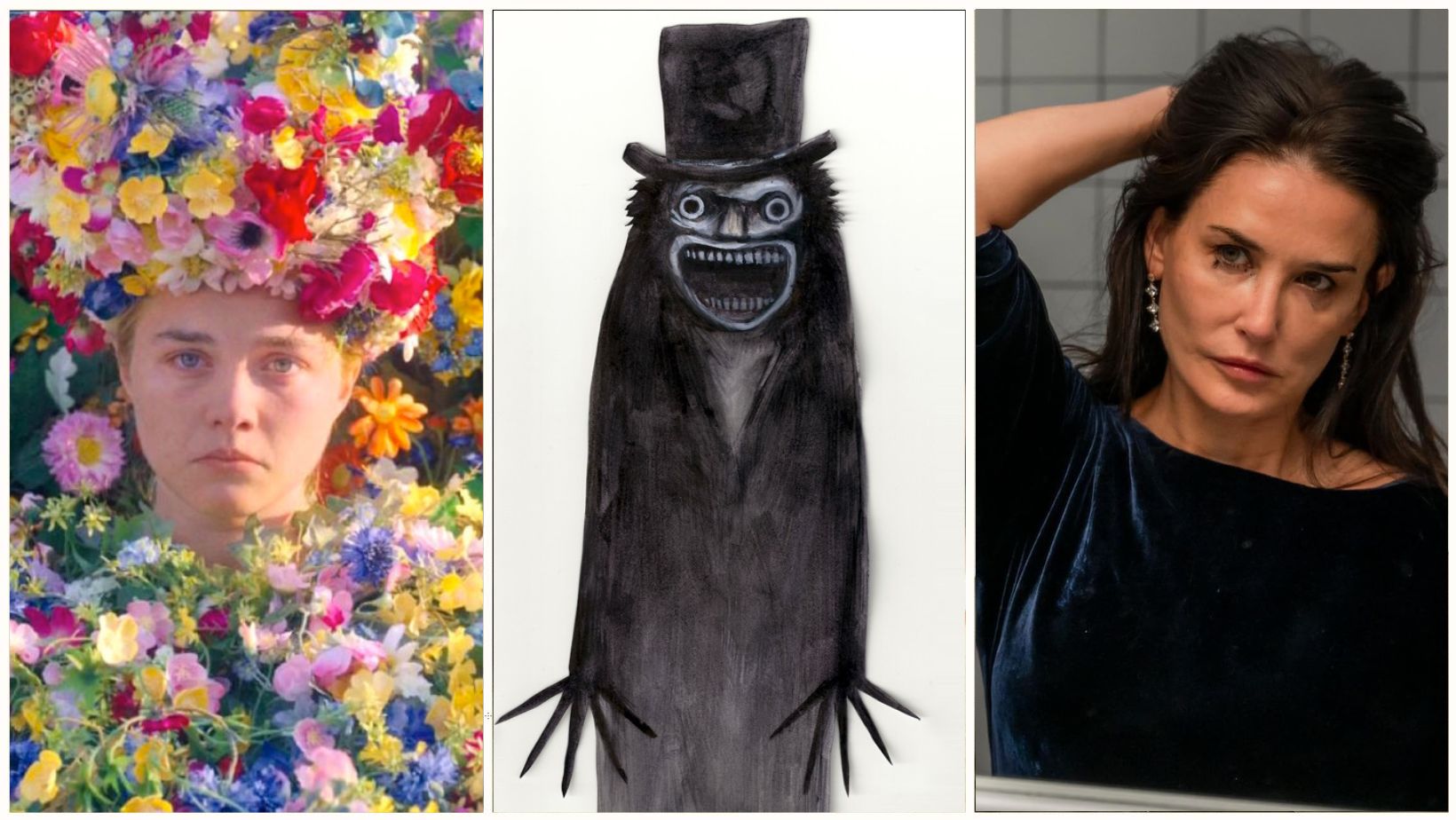





Back in 2014, Jennifer Kent not only brought us a wonderfully tense, but now overused, metaphor for traumatic grief in her debut feature, The Babadook (2014) but also heralded the now arguably more overused and misunderstood concept of “Elevated Horror”.
Ever since the mid-2010s the idea that a certain type of horror film was somehow raised above its peers was widely promoted by the likes of production company, A24, in marketing their successful run of more artistic horror films. Beginning in 2013 with Jonathon Glazer’s experimental, sci-fi inflected, Under The Skin, A24 peaked in the late 2010s with work by Robert Eggers, Ari Aster, and Rose Glass, to name a few of their big hitters, and remains a keenly watched source of horror films by the likes of any horror hound keen to discover the next unsettling scare.
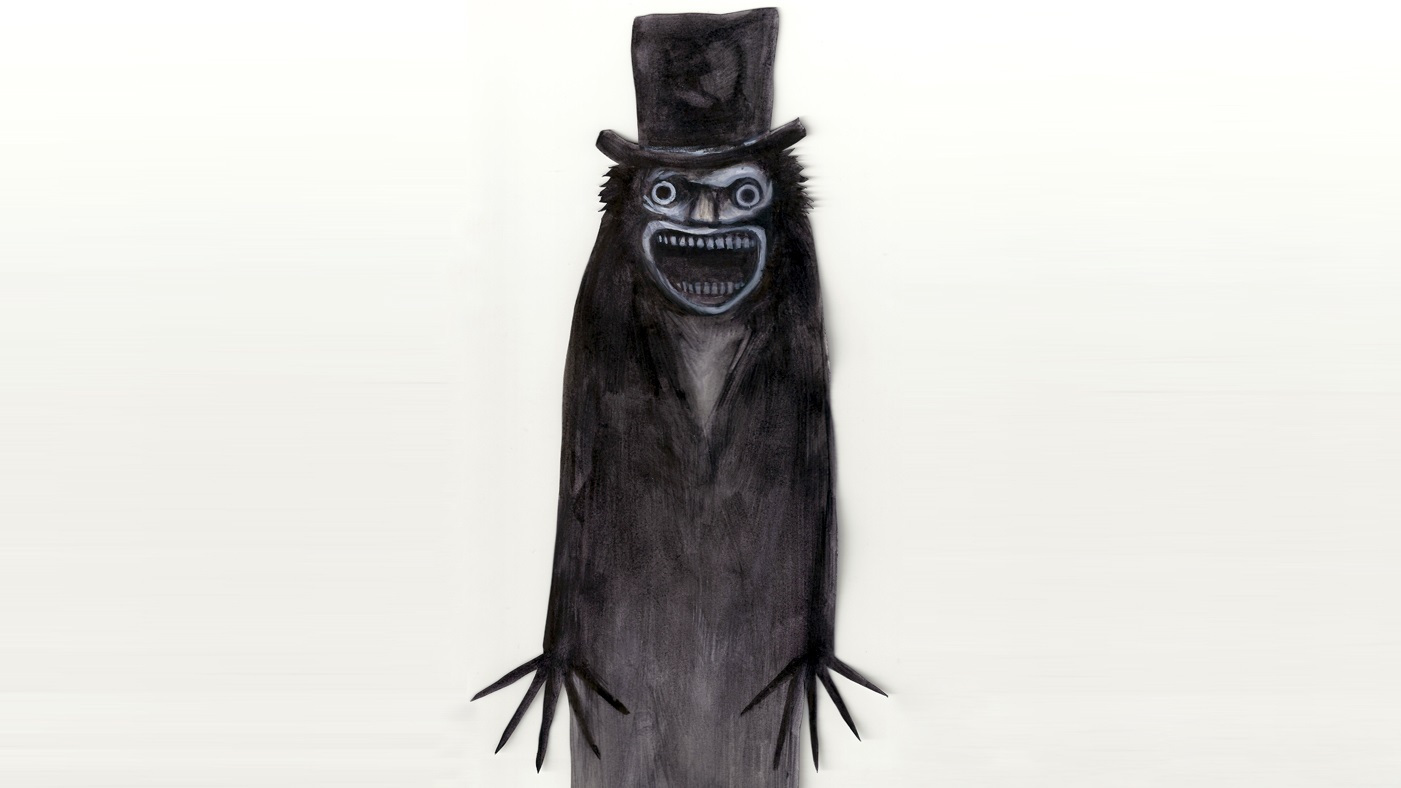
For me, the term “Elevated Horror” originates in 2014, when critics took note of the influence of German expressionism in The Babadook, along with its arguably more creative, thoughtful use of the now rather tired metaphor of traumatic grief being embodied by a nightmarish entity. The term is now widely understood to cover more considered horrors that utilise a wider range of allegories, metaphors, and allusion, as well as higher production values, in terrifying audiences. This has, however, been seen by some as a high-minded, self-congratulatory attempt to hoist the genre out of the late-night, popcorn-strewn cinema pits, away from its roots, and place it upon a pedestal in the arena of highbrow art.
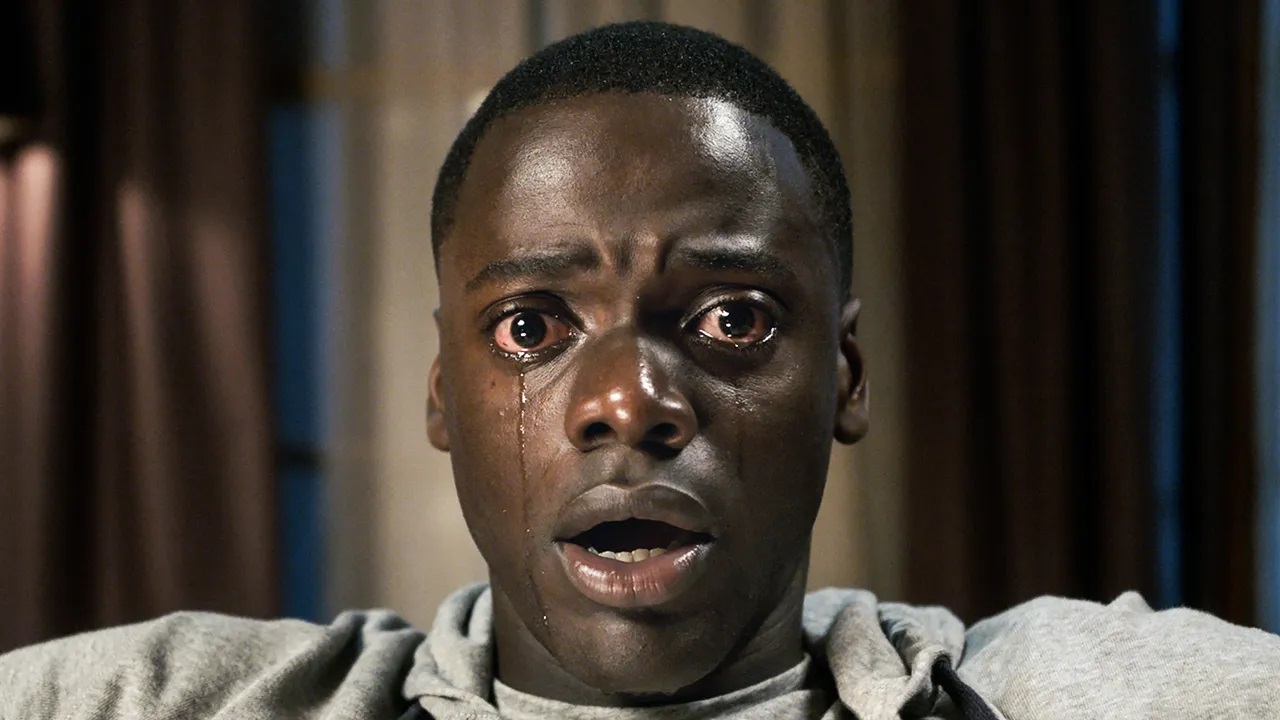
The term itself is wholeheartedly disliked by virtually all horror fans as it is taken that to describe those films as elevated insinuates that other horrors, using less artistic techniques and lower budgets, must therefore be lesser, and seems to hint that all horrors made outside of the late 2010 A24 ilk are sorely lacking merit. This is then taken a step further and believed to be insinuating that all those who love horror, in its wider more varied forms, are akin to lowbrow philistines rolling in the muck, being looked down upon by the better educated few who can appreciate the superior art and societal commentary within Get Out (2017), leaving the plebians to indulge in their mindless Blumhouse offerings.
If Elevated Horror exists it exists by the creation of an “Other”, its antithesis, an example by which it can define itself by not being that other thing. In this case, the “other” in question is the lowly slasher, the grindhouse exploitation flick, or the gore-filled franchises pumped out each October, where the exaggerated bombastic displays of violence and pantomime torture sate only the simplistic of yearnings and entertain the shallowest peasantry found in the cheap seats the world over. Uninterested in any deeper insights, fans of the non-elevated are surely wallowing in the blunt performative savagery of Ti West’s X (2022), cringing at the gore and howling along with the mindless sex and violence. In the process, they’re only exercising the lowest human emotions of lust, fear, revulsion, and adrenaline, for the price of admission, and have nothing to think about once the whooping and guffawing has died down and the unwashed masses slouch their way back to their cars, and their unexamined lives.
This is, of course, mindlessly simplistic and, I’m sure, not given the least bit of credence by anyone actually using the term “Elevated Horror”. Instead, the reaction of those whose hackles are raised by having their preferred film genre denigrated by such strawman attacks speaks more of their own over-sensitivity. Most horror fans know all too well that their beloved cinema is looked down upon by the critics and mainstream audiences, and, by behaving as if those who use the term are somehow expressing their hidden judgments, take it as proof of what they fear the perceived superiors have thought all along.
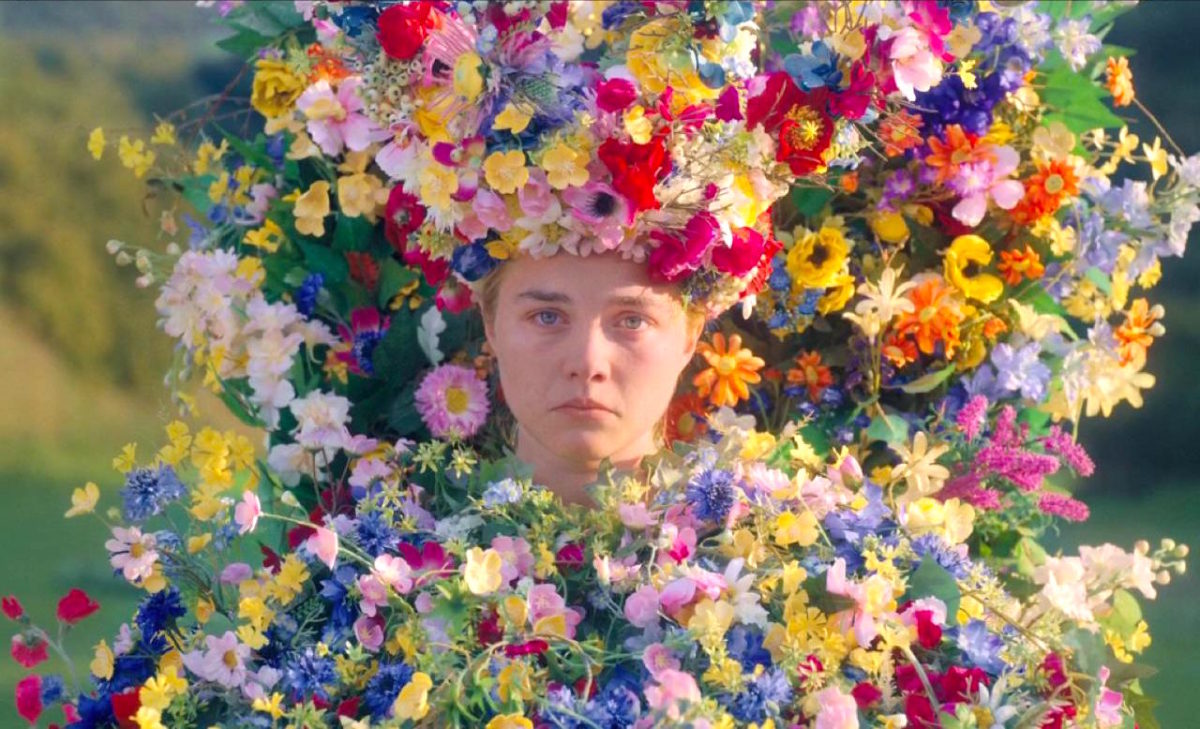
I too dislike the term but only if it’s used as an umbrella term for the more recent batch of high-end cinematic shocks. If it’s used with only Midsommar (2019) and The VVitch (2015) et al in mind I agree that it is ignorantly deductive and suggests that only those recent glossy examples have been elevated, leaving the rest of the genre languishing in ignorant gutters.
If, however, the term has no time designation and expands across the entire horror cinematic timeline to include the likes of The Texas Chainsaw Massacre (1974), The Shining (1980), and The Exorcist (1973), etc I have no problem in using such a blunt tool to roughly separate the more well produced, and artistically rendered offerings from the blood-soaked franchise films that are pumped out to please the lowest common denominator. If “elevated horror” merely separates an overly simple dichotomy of horror, it isn’t passing judgment. Yes, there is a difference between Hereditary (2018) and Friday the Thirteenth Part VI: Jason Lives (1986), a difference of which all horror fans are aware, but it doesn’t mean one should be looked down upon for enjoying the latter. I for one thoroughly enjoy the various dismemberments and cheap jump scares thrown on screen at the local world of cine, but I also enjoy spotting the medieval Italian poetry referenced in The House That Jack Built (2018), and cultural talking points in The Substance (2024), discussing them and reading analysis in the days after viewing.

I don’t believe “Elevated Horror” is necessarily insulting either. Snobbery exists in all forms of art and culture, and the narrow-minded pejorative use of the term only highlights how the user is sadly blind to the myriad joys to be found in Art the Clown’s third installment as he slices through another set of female stereotypes as if he’s never even heard of Alison Bechdel, never mind Dante Alighieri.
More Film Reviews
Being mostly an American tradition, fraternities seem to be full of real life horror stories due to the harsh hazing rituals regularly to new pledges. These organisations seem to be… Director Nia DaCosta’s kind of mostly sequel to the 1992 original revives the Candyman. Say his name five times in the mirror if you dare, as Cabrini Green has dark… Whilst Wong is a very common name in Singapore and China, Cleopatra certainly isn’t! The name actually reveals the main inspiration for this film: the blaxploitation heroine – CIA agent… We will be examining a classic Japanese film on 17th century samurai as both a faithful homage to their traditions while a deep critique to the virtues instilled – a… Proposing itself as an intimate look at a killer, Eri’s Murder Diary (2021) caught my attention among the many titles at Japan Film Fest Hamburg. Directed by newcomer Koji Degura,… There is probably no better place to start discussing Yakuza Princess than with its setting of Sao Paulo, Brazil. As the film quickly points out in its introduction, Sao Paulo…
Hell Night Film Review – A Hybrid of Slashers and Haunted Houses
Candyman (2021) Film Review – Don’t Speak His Name
They Call Her Cleopatra Wong (1978) Film Review – Singapore’s First and Only Female Action Hero

Harakiri (1962) – The Greatest Deconstructive Samurai Film
Eri’s Murder Diary Film Review – The Broken Mind Of A Killer
Yakuza Princess (2021) Film Review – Classic Yakuza Action with a Fresh Perspective