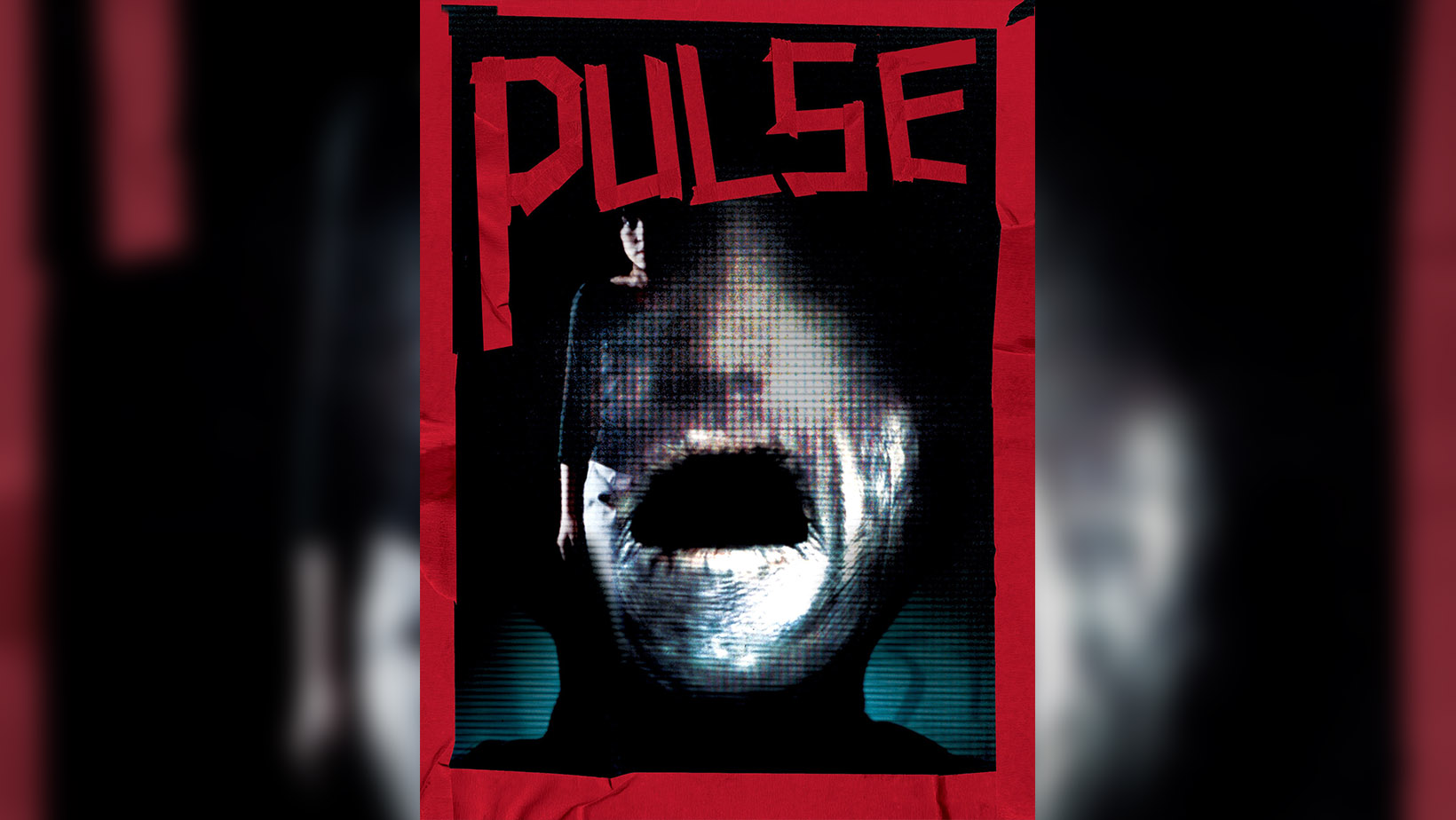




It has now been 24 hours since I watched Pulse (2001), and I still find myself at a loss. It was a movie that I desperately wanted to enjoy, a cardinal sin for a reviewer who should go in with a blank slate and little expectations. The weight of preconceived notions can hang about the neck like an albatross, ultimately shattering our joys with inevitable disappointment. And It’s precisely what happened to me here.
It is not a bad movie per se. So much of it is done so well. From my understanding, some moments are held in such regard that they’re considered iconic within the J-horror canon. Having only sampled a relatively small selection of the country’s modern horror, I can’t exactly confirm this outside analysis. What I can attest that several scenes are effectively constructed, executed, and followed through as truly frightening cinema. More than once, I felt the wonderful dread that we all anticipate when viewing a good horror film.
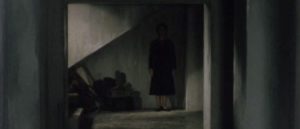
But, As effective as these individual moments are, they’re strung together in a plot that crawls, one that seems unsure of which direction it will take. It presents a mystery that is less interesting than it realizes, then answers it halfway through, leaving to dry any remaining intrigue that isn’t otherwise lost in the confusion. The filmmakers seem to think that their creepy imagery alone will carry the film, and what they’ve sketched in between is merely a vehicle to carry us from one jolt to another. They don’t realize that the driver is asleep at the wheel and has missed several stops.
The film is about the loneliness and isolation that is brought upon by a world increasingly connected by technology. For today’s viewers, it’s an extremely prescient subtext. Pulse was made when the internet was in its relative infancy, new enough that our male lead, a university student residing in a major metropolis, is uncomfortable with computers, knows nothing of being online, and no one finds it unusual. It is an era that long predates smartphones and the dominance of social media, let alone knowledge of their effects on young users’ brains.
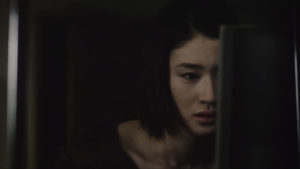
The thematic poignancy buoys the film’s pace to an extent. It builds a connection between our digitally immersed lives and a foreign landscape that existed only twenty years past. At its high points, the film constructs a mirror into the future, allowing the audiences to relate to events through brute reflection Its relevance has only been amplified as the years pass.
However, beyond these reflections (for which individual results may vary), we’re given no further depth to care for the characters. One is a technologically illiterate college student. Another is a computer science grad student. Others work together at what seems to be a rooftop plant nursery. As their stories eventually merge, they’re shown to love and care for one another (or at least come to do so). Yet there’s little else to latch onto beyond their narrative functions. They’re shells to which horrible things happen, and we’re meant to care precisely because what happens is horrible.
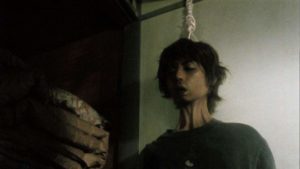
The drama is thus neutered and said drama is an interminable buffer between the horror and the story. In the end, it turns to spectacle to fill the void, which only exacerbates its flaws. An intimate horror tale becomes a disaster movie in the final minutes, a progression in which hints are casually provided throughout yet still remains hollow. A distinct lack of faith in the film’s premise explodes from its climax instead of the intended dread.
Nevertheless, I can’t help but dwell on how effective it is in parts without feeling a bit of guilt. Perhaps it was my own fault, anticipating a titan of cinema when I was merely presented with a demigod. I can’t fully dismiss the film due to a nagging feeling that something was missed. It may simply be the cult following that less discerning viewers have cultivated over the years and my desperate desire to attach myself to something new. So little captures my intrigue now, and perhaps good is no longer good enough. This now is a flaw of mine, not of the film.
More Film Reviews
From Cannes Palme D’or Winner Frida Kempf, Knocking marks the Swedish Filmmaker’s first foray into horror. Posing a dark tale of madness, the film captures the unease found in the… There are a lot of bad pants in this movie. Also, bad haircuts, bad sex and, whenever a chair is needed to hit someone over the head, or a table… Filmmaker Koji Shiraishi has garnered quite a cult following over the years due to his continuous efforts within the horror world. Titles like Noroi: The Curse (2005) and Carved (2007)… The strength of the Japanese independent cinema has often rested on its ability to embrace absurdity and bring it together in a distinct yet cohesive manner. Consequently, the intuitive approach… Being mostly an American tradition, fraternities seem to be full of real life horror stories due to the harsh hazing rituals regularly to new pledges. These organisations seem to be… As an anthology film, Sinphony has different directors for each segment: Sebastien Bazile (“Symphony of Horror”), Haley Bishop (“Forever Young”), Nichole Carlson (“Maternally Damned”), Wes Driver (“The Keeper”), Kimberley Elizabeth…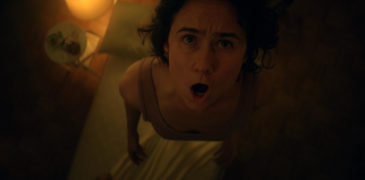
Knocking Film Review – A Slow Decline Into Madness

Cross of the Seven Jewels (1987) – Maybe Everything is Bad, But Half A Werewolf is Better Than None at All

House of Sayuri (2024) Film Review – An Amalgamation of Koji Shiraishi’s Best Horror Movie Traits

Yellow Dragon’s Village (2021) Film Review – Low Budget Insanity

Hell Night Film Review – A Hybrid of Slashers and Haunted Houses

Sinphony (2022) Film Review- An Anthology of Harmonic Evil