




In the great history of vampire movies, there are a lot of incredible films – but only one can claim to be the first vampire film, and perhaps the most important horror film of all time – and that’s F.W. Murnau’s Nosferatu (1922).
In Nosferatu: The Real Story, the team looks into the drastically changing world of the early 20th century, where war, technology, and the fears of a generation helped to create the perfect environment for such a unique film. They uncover the secrets behind the making of this Nosferatu and how close we came to losing it completely, as well as the nature of the people who would make such a piece.
We begin with learning about Albin Grau, an artist and dedicated occultist who was the driving force behind making Nosferatu. Grau claimed that the idea for Nosferatu came to him when, while serving in the German Army in WW1, he met a Serbian soldier who claimed to know a real vampire – this is where he first heard the word “Nosferatu”.
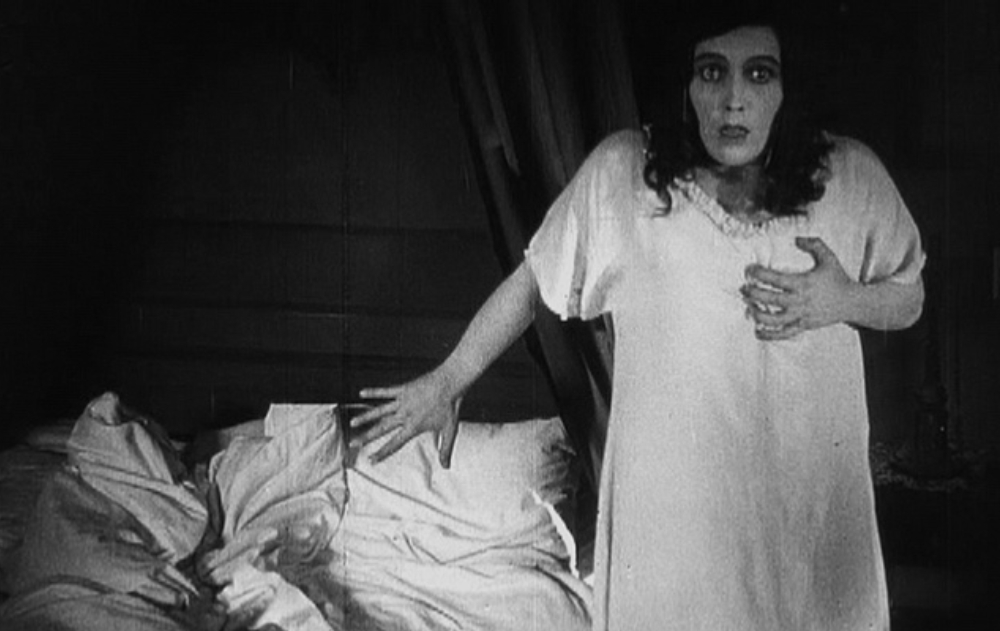
Grau set up his own film company, Prana, purely to explore spiritual and occult themes—the word “prana” even means “breath of life.” A huge fan of Aleister Crowley, Grau made the most of being a weirdo in the liberated world of post-war Berlin.
And then there’s the director, F. W. Murnau. A gay man in an unenlightened time, he also saw action in World War I, where his lover died. Incidentally, Max Shrek who played Count Orlock also saw action – in a way this film is a direct response to the trauma from which these three men suffered.
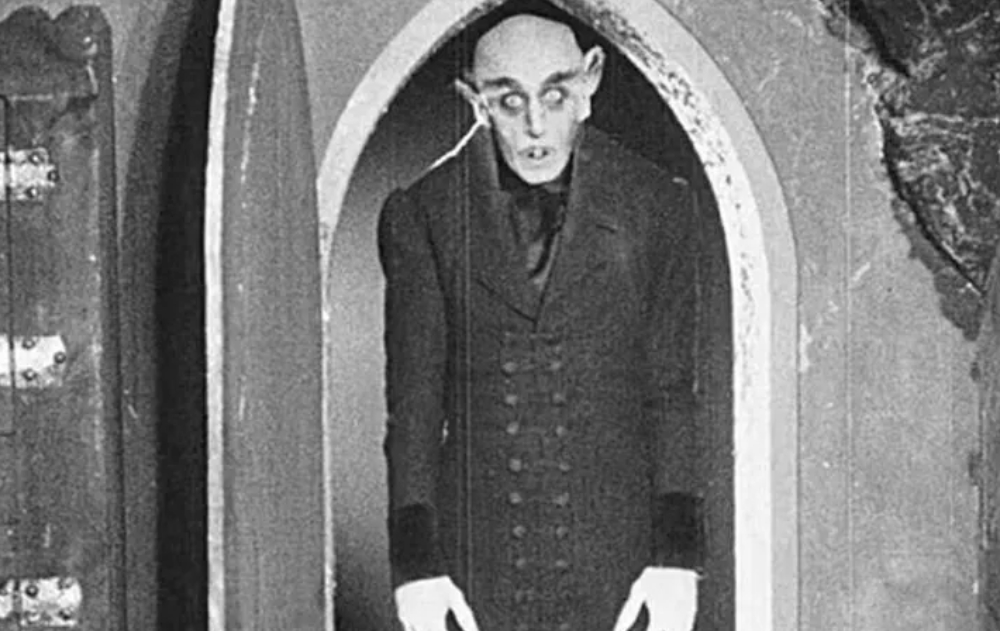
It’s obvious that Nosferatu is a loose interpretation of Dracula, but where it varies isn’t just to avoid copying—Nosferatu is imbued with the anxieties of three traumatised men, with the villain given a rat-like appearance to evoke pestilence and invasion. Through revolutionary special effects and the use of genuine occult symbols, Nosferatu presented something unlike anything else.
Muranu’s filmmaking techniques were truly innovative – his use of shadow, light, and practical effects pushed the boundaries of what cinema could achieve. This documentary explains the essence of German Expressionism beautifully, drawing comparisons with other classics such as The Cabinet of Dr Caligari.
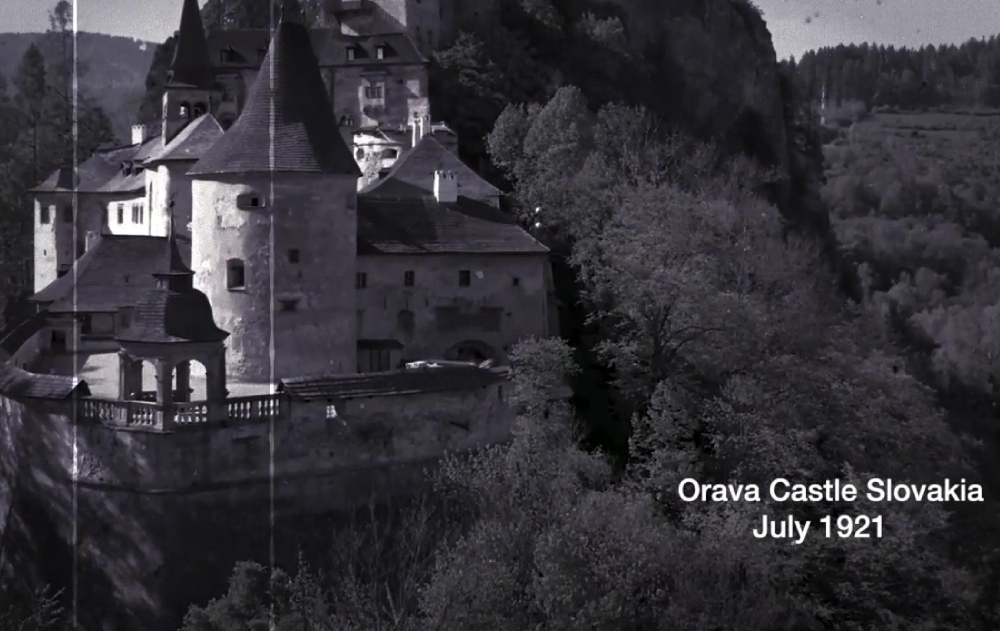
But the differences between Dracula and Nosferatu weren’t enough for the Stoker estate, who tried to sue Prana and eradicate the film from existence forever. After an extravagant premiere in America that cost more than the money had to make, the lawsuits came crashing down – Prana was ruined, and Grau’s dream of creating a series of occult films died.
Nosferatu: The Real Story artfully describes all of these developments, which are so much wilder than the stories you may have heard in film studies. After a near-complete destruction of copies, a few different versions of the movie continued to circulate, which were finally brought together into a collective version based on the original script.
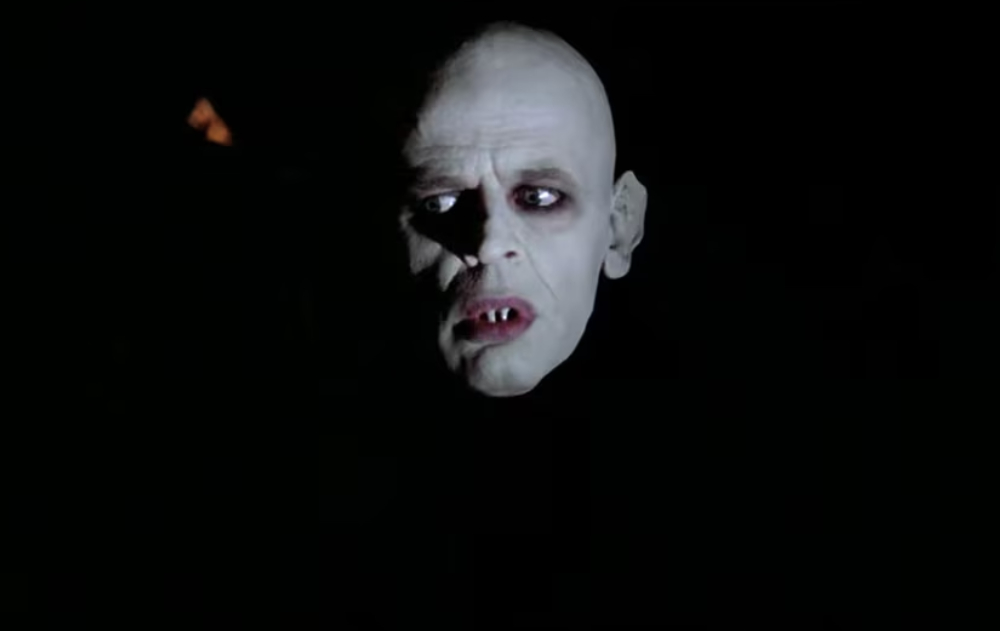
It then goes on to discuss the legacy of Nosferatu, including films like Shadow of the Vampire (2000) – which explores the myth that Max Shrek was actually a real vampire – and Werner Herzog’s version. It’s a shame that this was made before the release of Robert Eggers’ Nosferatu (2025) as they accurately point out that in a recent, post-pandemic world, the fear of an invasive pestilence is more acute than it has been in a century.
Nosferatu: The Real Story is a captivating, well-considered documentary that examines the film from all angles – its inspirations, styles, techniques, and cultural legacy. Whether you’re a cinema nerd, horror aficionado, socialist or historical, you’ll find something to enjoy and perhaps a new appreciation for one of history’s most important pieces of cinema!

Nosferatu: The Real Story (2024) is available via Digital from Reel2Reel Films
More Film reviews
Explore the rural roots, occult creeds and cultural lore that continue to shape international cinema. The folk horror genre is as diverse as the countries, cultures, and eras in which… In the dystopian landscape of Cape Town, South Africa, Ryan Kruger’s 2025 sequel to Street Trash (1987) takes viewers on a gore-filled adventure through the perils of class warfare in… Konnichiwa! Ni Hao! Hola! Straight Outta Kanto here with a little director spotlight for you this week! Just like you guys I am a die-hard Asian horror fan and have… Picking up after the vile incident of the fourth Senritsu Kaiki File, Kudo assembles his team once again to film paranormal activities and to… discover isekai? Yes, you heard that… I can’t believe that in my review of Fear Street: 1994, I forgot to mention the most important part of a successful slasher film: the sequel. Some slashers don’t always… A young daughter, around four years old, watches a pop idol group cheerfully perform on tv with her father. Meanwhile in the kitchen, we see her mother dutifully preparing dinner,…
Woodlands Dark and Days Bewitched (2021) Documentary Review
Street Trash (2024) Film Review – Explosive Social Commentary

Overlooked J-Horror: Director Koji Shiraishi
Senritsu Kaiki File Kowasugi! File 05: The Ghost Of Yotsuya! (2014) Film Review – Isekai and Shiraishi’s paranormal universe!
Fear Street Part Two: 1978 Film Review – If you want Blood, you got it!

Dessert and Beyond: A Comparison Study of Conventional Vs. Unconventional Music in Asian Horror and Extreme Cinema

Jenny is a creative copywriter living just outside of Liverpool who loves horror, board games, comics, video games and industrial metal.