





Part Two: The Rise of the Female Avenger
In the previous article of this series, I discussed how early rape-revenge films reflected the idea that sexual violence was a property crime first, with the family being owed a debt from the perpetrator, and second, that the victim’s fate was less important than the honor of the family. Films like Ingmar Bergman’s Virgin Spring and Wes Craven’s The Last House on the Left focused on the fathers’ response to their daughters’ deaths. It is this exact centering of the male ego that second-wave feminism influenced rape-revenge films like Thriller: A Cruel Picture and I Spit on Your Grave sought to dismantle by introducing the avenging actor. In this cycle of films, the survivor would no longer be seen as an “adjacent actor” in her own life; she would become the primary subject and the main character of her own trauma, regardless of her perceived purity.
The cinematic introduction of the avenging actor mirrored a rapid transformation in how American society viewed women’s agency. While sexual violence is a millennia-old issue, the most profound legal and social shifts in the United States have occurred only in the last century. Prior to the 1920s, women were relegated legally and socially to dependence on men and given little autonomous voice. Women’s suffrage, also known as first-wave feminism, delivered the right to vote nationally to women, granting them a formal, legal voice and a whisper of autonomy in the law. What came after, known as second-wave feminism, continued to raise the volume by, among other things, giving women more legal protection against rape and sexual assault.
This clamoring for a louder social and legal voice found a visceral cinematic mirror in Bo Arne Vibenius’ Swedish film Thriller: A Cruel Picture (1973). The protagonist, Madeleine (Christina Lindberg), is literally rendered mute by childhood sexual trauma, a physical manifestation of the historical voicelessness that second-wave feminism was actively challenging. However, just as these new ideals began to reshape narratives of autonomy, the film shifts Madeleine from a passive object of exploitation to a proactive subject. In a radical break from the paternalistic justice of The Virgin Spring and Last House on the Left, she does not wait for the state or a male guardian to rescue her; instead, she systematically builds her own agency, transforming her body into a weapon of lethal resistance.

This reconstruction is born of necessity after Madeleine is kidnapped by Tony, a ruthless pimp who addicts her to heroin and forces her into prostitution. Thriller functions as a dark ode to the ‘stranger-danger’ warnings preached to women and children for generations, ironically ignoring the fact that the majority of assaults are perpetrated by people known and familiar to the victims and survivors. Thriller subverts the outcome of those tales by showing the survivor arming herself. During an intense training montage, Madeleine equips herself with the tools she will use to begin the systematic execution of her captors. This culminates in a ritualistic finale where she buries Tony to his neck and leaves him to be strangled by a horse, effectively reclaiming her narrative from the men who sought to own it.
Vibenius’s film is a flat, joyless experience, further exemplified by Lindberg’s affectless performance as Madeleine. While there is nudity and, in some versions, scenes of hardcore sex were edited in against the director’s will and without Lindberg’s consent, this is not an erotic film. Rather, it is a deliberate inversion of the male gaze that was common in sexploitation films, where the camera and characters perform for the audience’s pleasure. Madeleine’s wordless reactions to her johns and the matter-of-fact way she collects their money mirror the grim stoicism she displays when dispatching her abusers. This lack of distinction is the antithesis of sexual pleasure; the film forces the viewer to confront the transaction of the assault rather than find gratification in it.
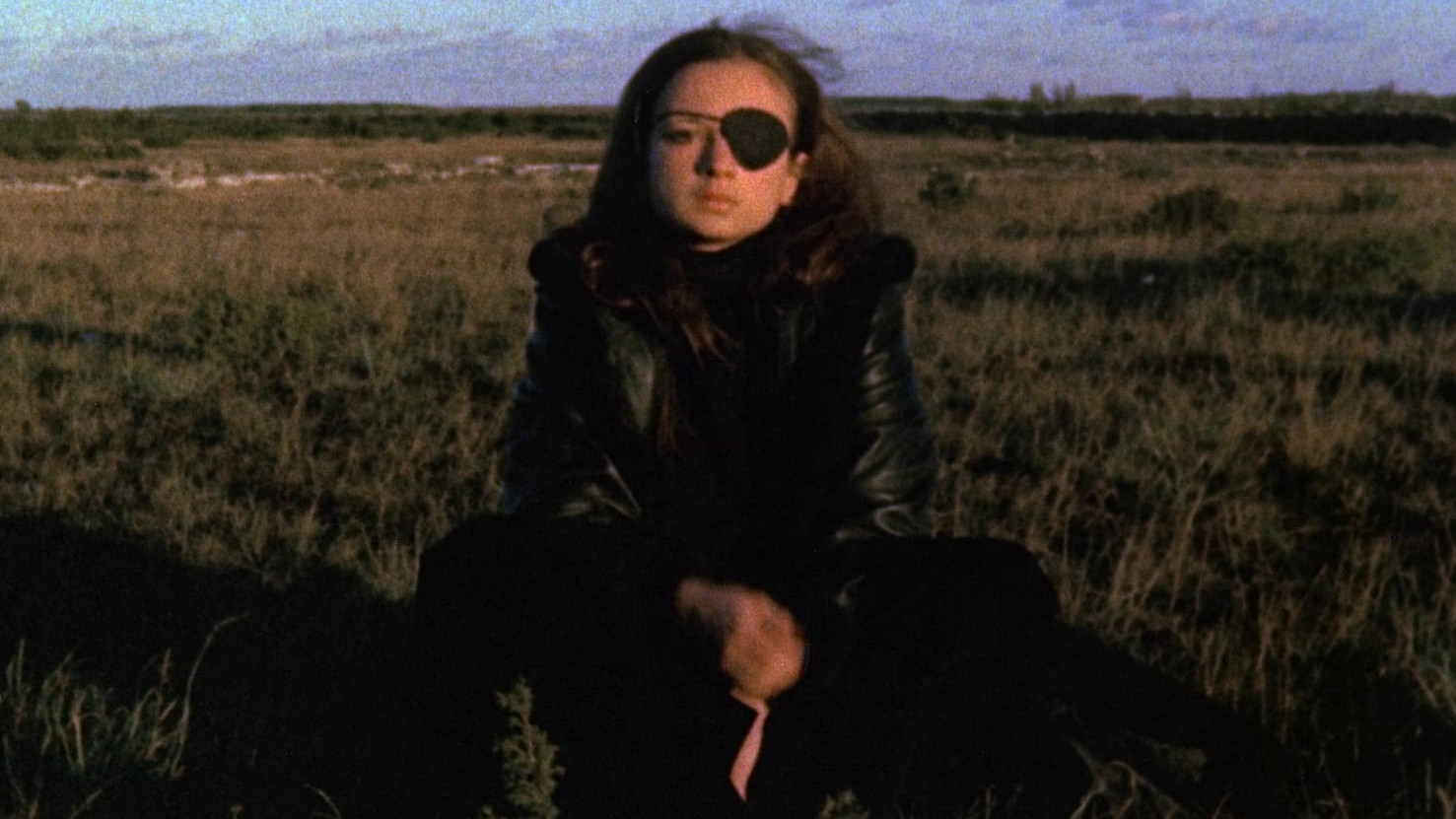
In this way, the film forces the viewer to confront the transaction of the assault rather than find gratification in it. In the final act of the film, as Madeleine fights for her freedom, the violence is punctuated by a lazy, almost surreal use of slow-motion photography. As bullets tear through her oppressors, she maintains that same dispassionate, affectless gaze. This is not the high-octane spectacle of a stylized action movie; rather, it is a ritualistic shedding of her oppressors. By stripping the climax of its adrenaline, Vibenius suggests that revenge is not a triumphant cinematic trope, but a mechanical, necessary purging of trauma.
From this point forward, the rape revenge film ceased to be about male aggression and the use of colorful screen violence to restore their besmirched honor. The focus was now on women reclaiming their agency through a grim metamorphosis, taking up the sword against their perpetrators. Madeleine’s journey established the definitive template for the modern heroine: a life interrupted by trauma, a transformative period of physical or spiritual hardening, and a final, inevitable confrontation where the survivor extracts a high price for her stolen personhood.

When talking about the rape-revenge genre, it is impossible to avoid Meir Zarchi’s 1978 I Spit on Your Grave. Upon its initial release, the movie received near universal condemnation for its excessive and graphic violence. Since then, it is still a controversial film as critics and scholars debate the extreme response of the avenging actor, Jennifer (Camille Keaton) to her own attack. Is she a symbolic figurehead of a strong woman freeing herself from oppression or only another male fantasy creation expelling gritty, unglamorized violence for the edification of male viewers? Even today, in an era where audiences are increasingly desensitized to cinematic violence, the film remains a grueling, difficult experience.
This grueling experience is largely due to the film’s pacing; Jennifer’s assault consumes nearly a third of the runtime as she is captured, recaptured and repeatedly violated, then left for dead by a quartet of attackers, led by misogynistic Johnny. While the story and Jennifer’s arc are similar to Madeleine’s, I Spit on Your Grave features a crucial difference from Thriller: In Zarchi’s movie the perpetrators are given screen time to voice their motivations and rationalizations for their crime. Their language is the antithesis of the changing social landscape regarding sexual assault, rooted in an era where a victim’s dress or demeanor, as interpreted by the male observer, was used to manufacture ‘implied consent.
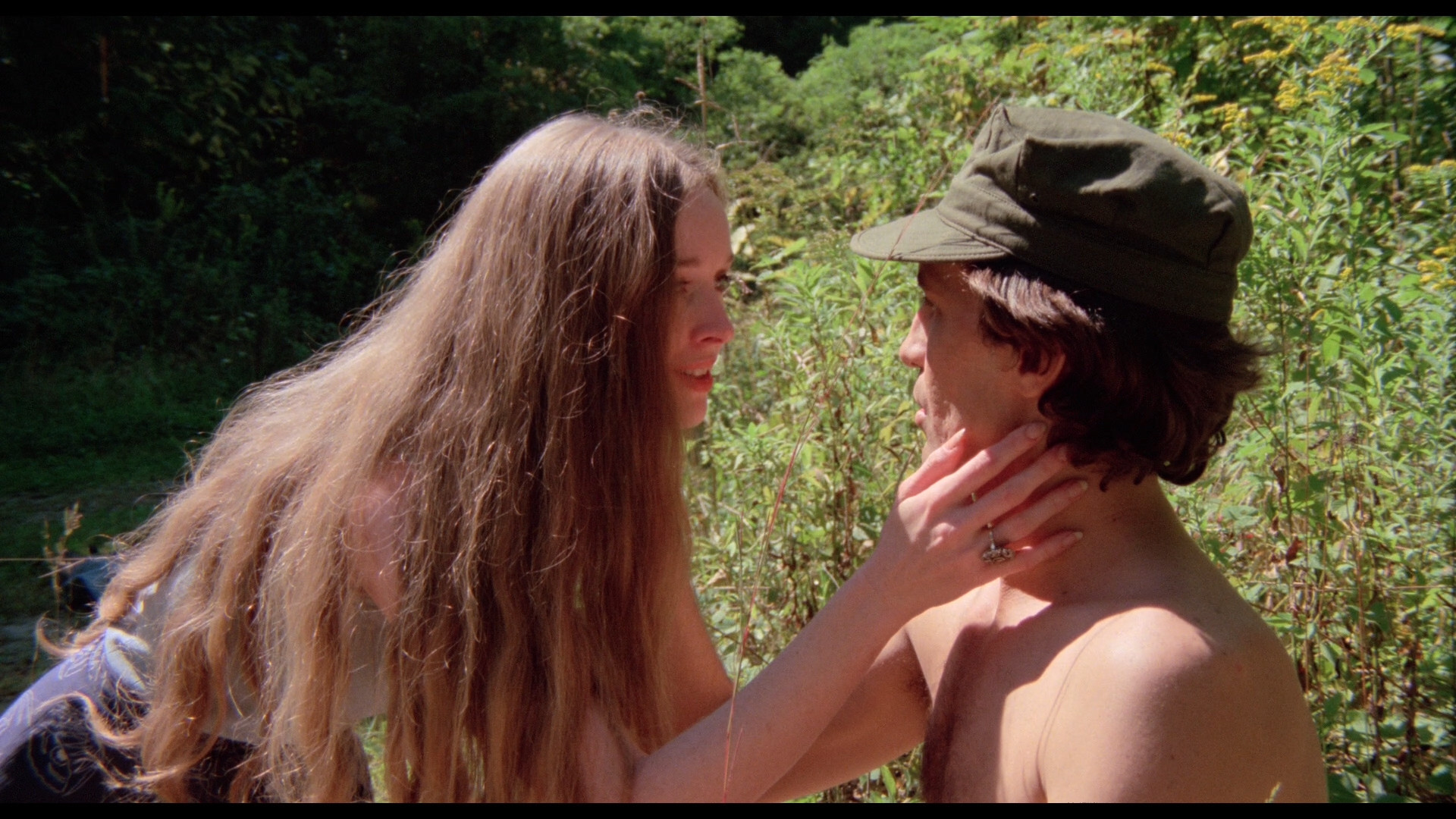
Their casual encounters, Jennifer buying groceries or refuelling her car, provide the meager raw material the men need to weave lurid fantasies. As a city-dweller in a rural setting, she is viewed as an unknown outsider: a blank canvas upon which they paint their predatory delusions. Emboldened by these projections, they eventually strike. Their dialogue, both during the assault and when Jennifer later confronts them, reflects the pervasive phenomenon of ‘rape culture’—a framework where sexual violence is normalized by shifting blame onto the survivor under the pretense that men are slaves to an uncontrollable nature. Ultimately, the film clarifies that the act is never about attraction; it is a grotesque display of power and control, fueled by masculine insecurities regarding the independent woman.
After surviving her ordeal, Jennifer goes through a long, meditative period of healing before hunting her attackers. In a massive step forward, she begins her hunt by using the men’s own fantasies against them. In Thriller, Madeleine was a silent, explosive attacker; in I Spit on Your Grave, Jennifer uses guile to lure the men to their deaths by assuming the mask of the very fantasies they projected onto her. While facing off with Johnny, after luring him to a remote place and before she dismembers him, he pleads for clemency, blaming Jennifer for her own rape, claiming she ‘led them on’. In this moment, the film captures the exact male ego and refusal of accountability that second-wave feminism sought to dismantle.
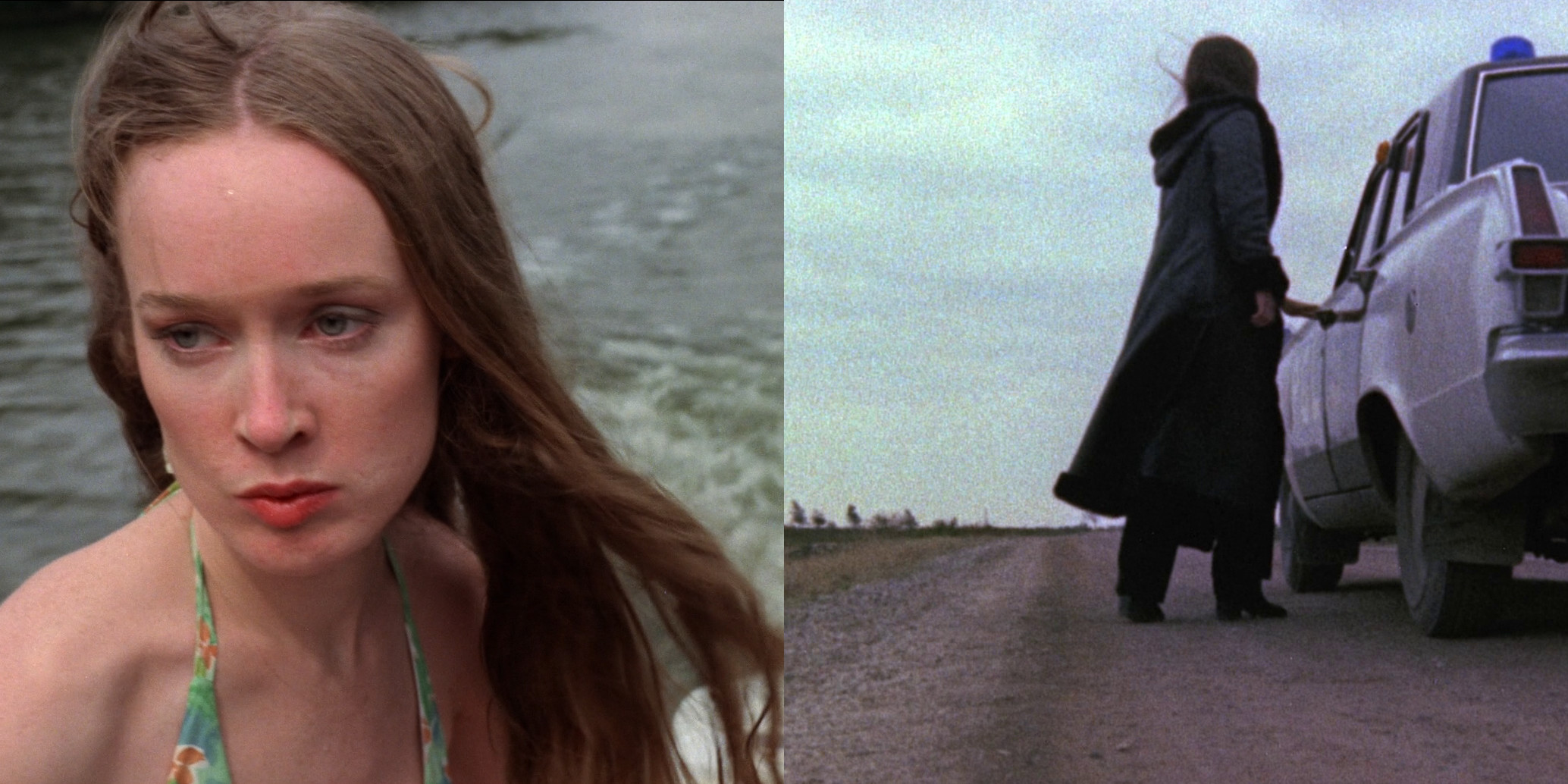
In Thriller, Madeleine’s saga is the result of human trafficking; once broken, she is reduced to a sellable commodity for Tony’s profit. Conversely, in Jennifer’s story, the men band together to assault a woman they fundamentally fear. Despite these differing motivations, both Thriller and I Spit on Your Grave conclude on a transcendent, albeit ambiguous, note. As Madeleine and Jennifer depart from the scenes of their final retributions, they move toward an unknown future, having closed a horrific chapter of their lives. Neither film offers clues as to what follows, leaving the audience to reckon with the reality of two women whose identities have been permanently altered not just by the trauma they endured, but by the sovereignty they seized through vengeance.
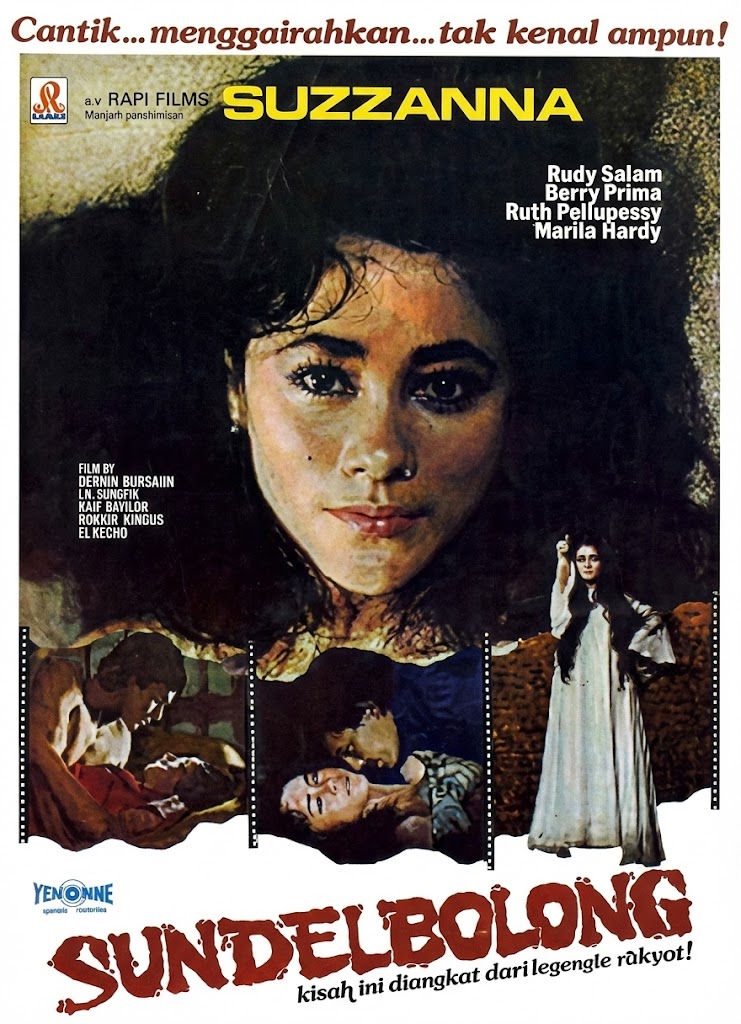
In Part 3, the focus will shift beyond the 1970s and the immediate wake of second-wave feminism to discuss a compelling variation of the avenging actor: the survivor whose transformation is rooted in mythology. In Indonesian director Sisworo Gautama Putra’s Sundelbolong (1981) and Coralie Fargeat’s Revenge (2017), the survivor transcends her humanity to become a divine agent of retribution. That analysis will explore how those films utilize unique cultural underpinnings to transform the struggle for vengeance into a righteous, holy pursuit, a metaphysical balancing of the scales of justice that transcends the limitations of the physical world.
More Film Reviews

Hellboy: The Crooked Man (2024) Film Review – More Stale than Scary
The “World’s Greatest Paranormal Investigator” returns to the big screen for the fourth time in this American superhero horror film from director Brian Taylor (Crank, Ghost Rider: Spirit of Vengeance),…
Treasure of the Ninja (1987) Film Review – The Real Treasure Was the Ninja We Killed Along The Way
Treasure of the Ninja is a 1987 American kung-fu action thriller, written/directed/starring William Lee. Lee is well-known for his thirty-something years in independent filmmaking, well versed in the trials and tribulations of…

Haxan (1922) Film Review – The First Witchcraft Documentary
Perhaps you’re looking for something different in a horror film, tired of jump scares and remakes. Perhaps you’re passionate about obscure cinema, revelling in the discovery of something unexpected. Or…

Fear Street Part One: 1994 Film Review – Nostalgia Soaked Horror
Ten years ago in 1994, I was walking into the local bookstore to pick the new…wait….that was 27 years ago? Fine then, I will start over. Almost 3 decades ago,…

2LDK (2003) Film Review – Killer Co-habitation in the Tiny Rooms of Tokyo
Having a roommate can be hard. Whether it’s disrespect of the kitchen cleaning rules or failing to remember how thin the average bedroom wall is, living with another person is…

Rampo Noir (2005) Film Review- A Bizarre Japanese Arthouse Must-Watch
While anthologies can be slightly hit or miss at times, Rampo Noir (2005) seems determined to set itself apart. A lush and stylistic horror film with challenging eroticisms and unhinged…

I am a lifelong lover of horror who delights in the uncanny and occasionally writes about it. My writing has appeared at DIS/MEMBER and in Grim magazine. I am also in charge of programming at WIWLN’s Insomniac Theater, the Internet’s oldest horror movie blog written by me. The best time to reach me is before dawn.