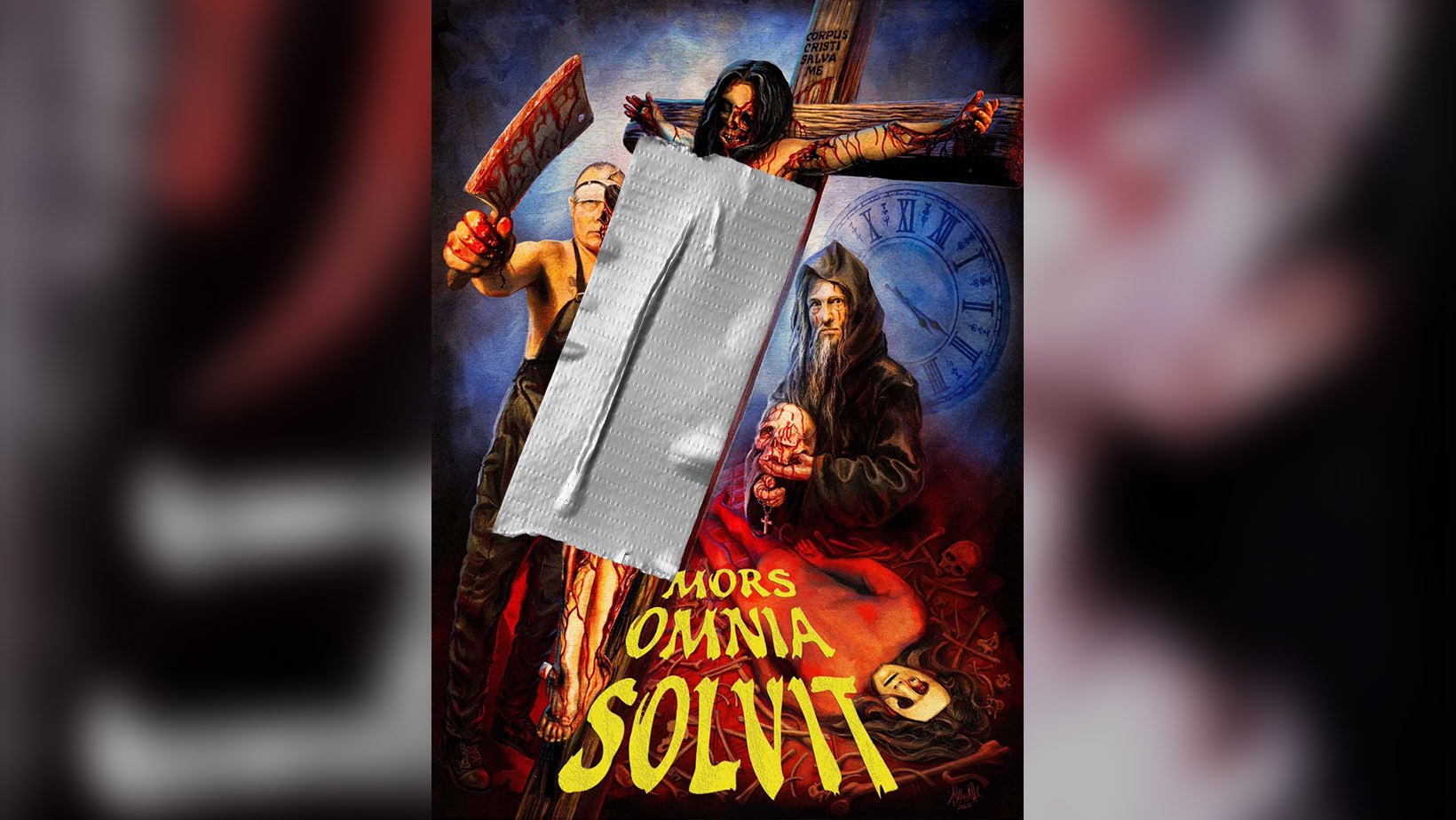





Mors Omnia Solvit (aka “Frammenti – I Veneratori di Morte”) is an Italian extreme satanic horror film directed and produced by Congrega Esoterica Padovana. The name is based on a Latin phrase meaning “death solves everything” or “death loosens all bonds.”
Set in contemporary society, a young woman, a modern incarnation of Persephone, lives an alienated life trapped in a desolate and oppressive environment. One day, she meets a group of death worshippers, a sect led by Hades, who explore the limits of life and death through disturbing rituals and extreme visions.
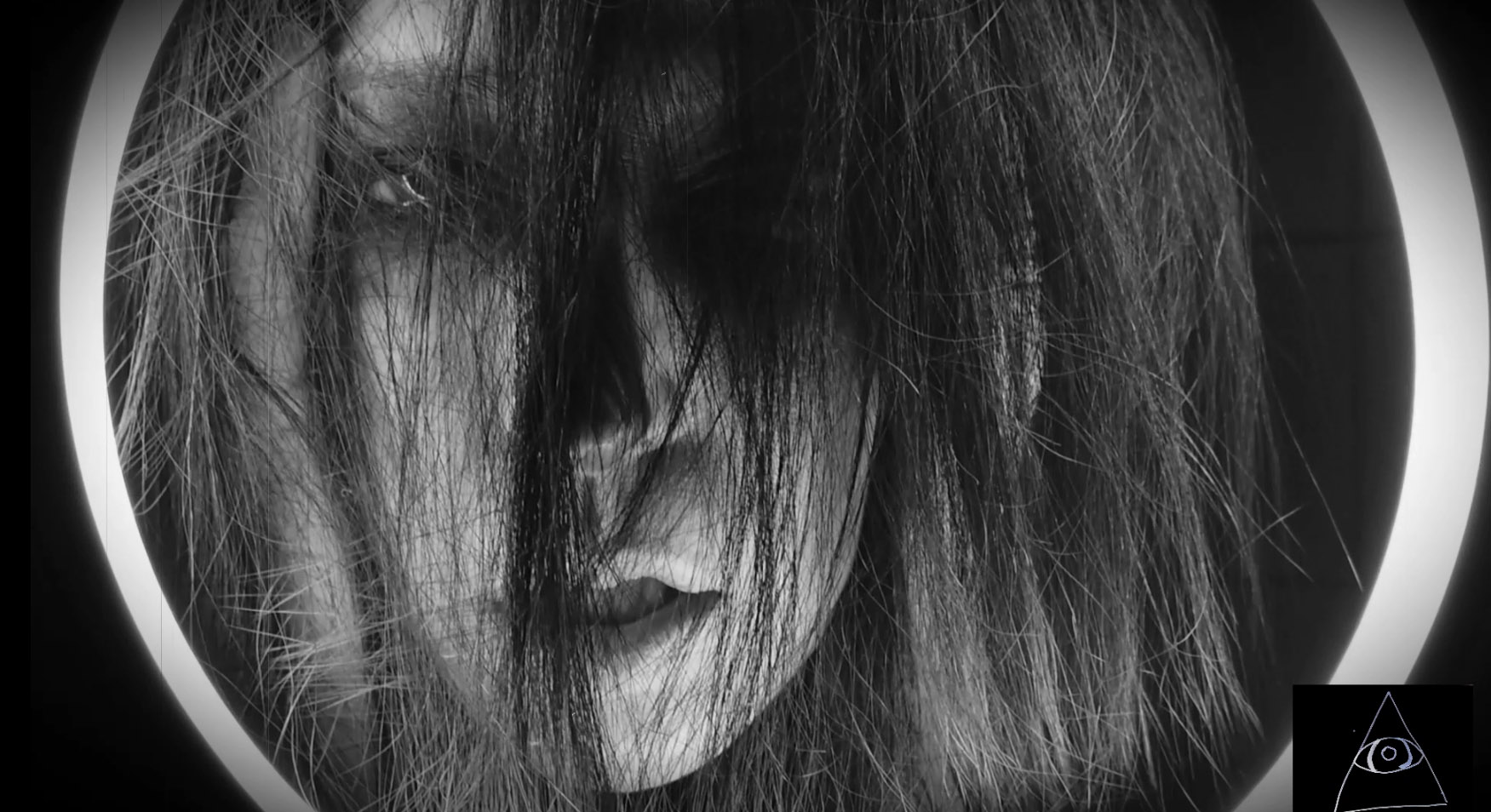
Emulating a similar format to the silent-era films of old, Mors Omnia Solvit relays the majority of its narrative through expository intertitles and environmental storytelling. While its non-linear design and symbolic imagery leave certain elements to be discerned by the audience, its slight enigmaticism certainly delivers a compelling yet loose narrative that can leave certain elements open to interpretation. Deriving story components from the ancient Greek myth of Persephone, daughter of Zeus and Demeter, who married her uncle, Hades, and became Queen of the Underworld after being abducted. However, unlike the myth, with Persephone being a prisoner tricked into servitude after tasting the food of the Underworld, the plot embodies the darkness of the original tale, with her embracing and relishing her role as Queen of the Underworld.
In addition to this inspiration, Mors Omnia Solvit also draws from several classic titles in genre cinema. From the allegorical imagery and experimental plot of Opera Mortem (1973) and Begotten (1989), to the obsessive relationship with death explored in Nekromantik (1988), its sequel Nekromantik 2 (1991), and Der Todesking (1990) to name but a few, the movie openly showcases its influences for all to see.
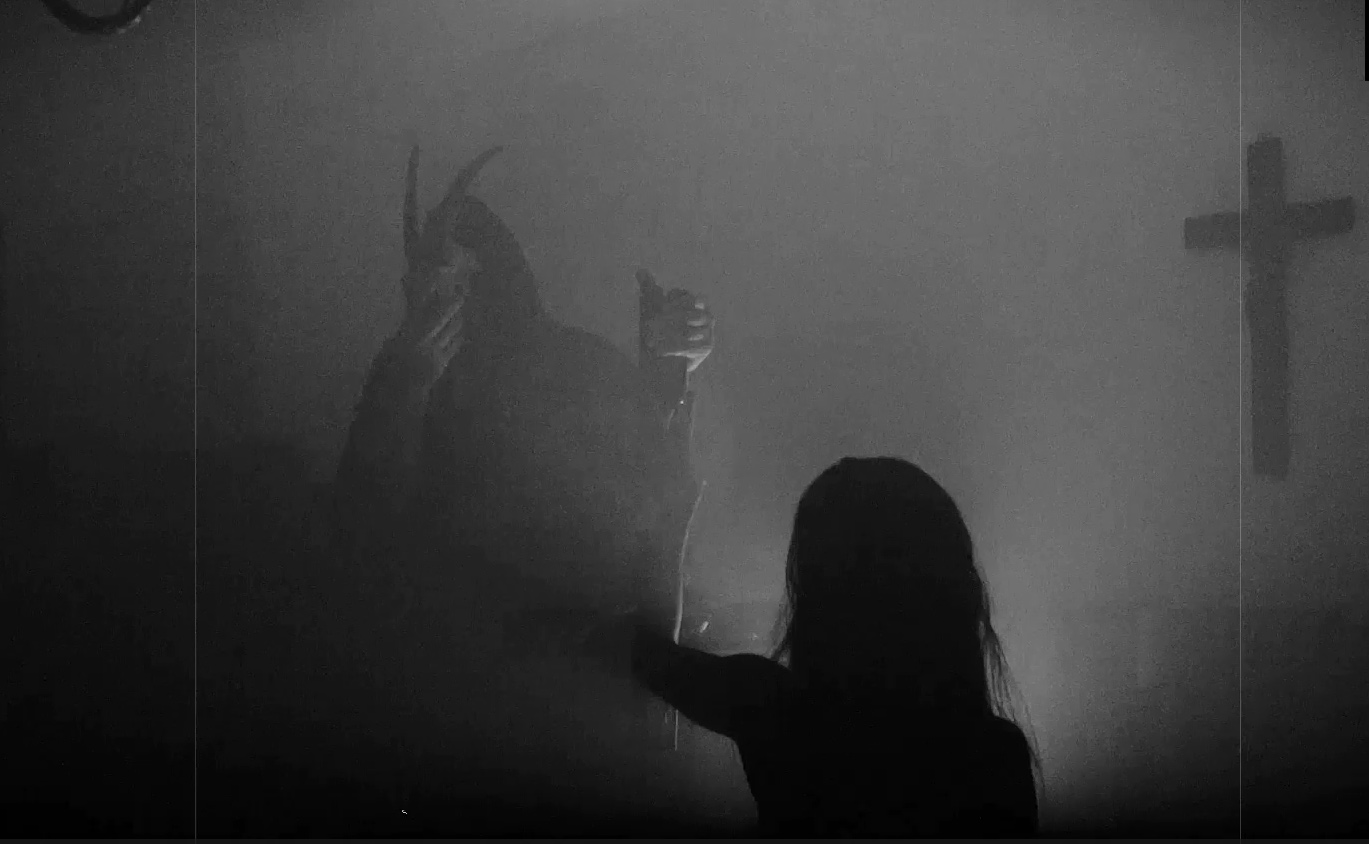
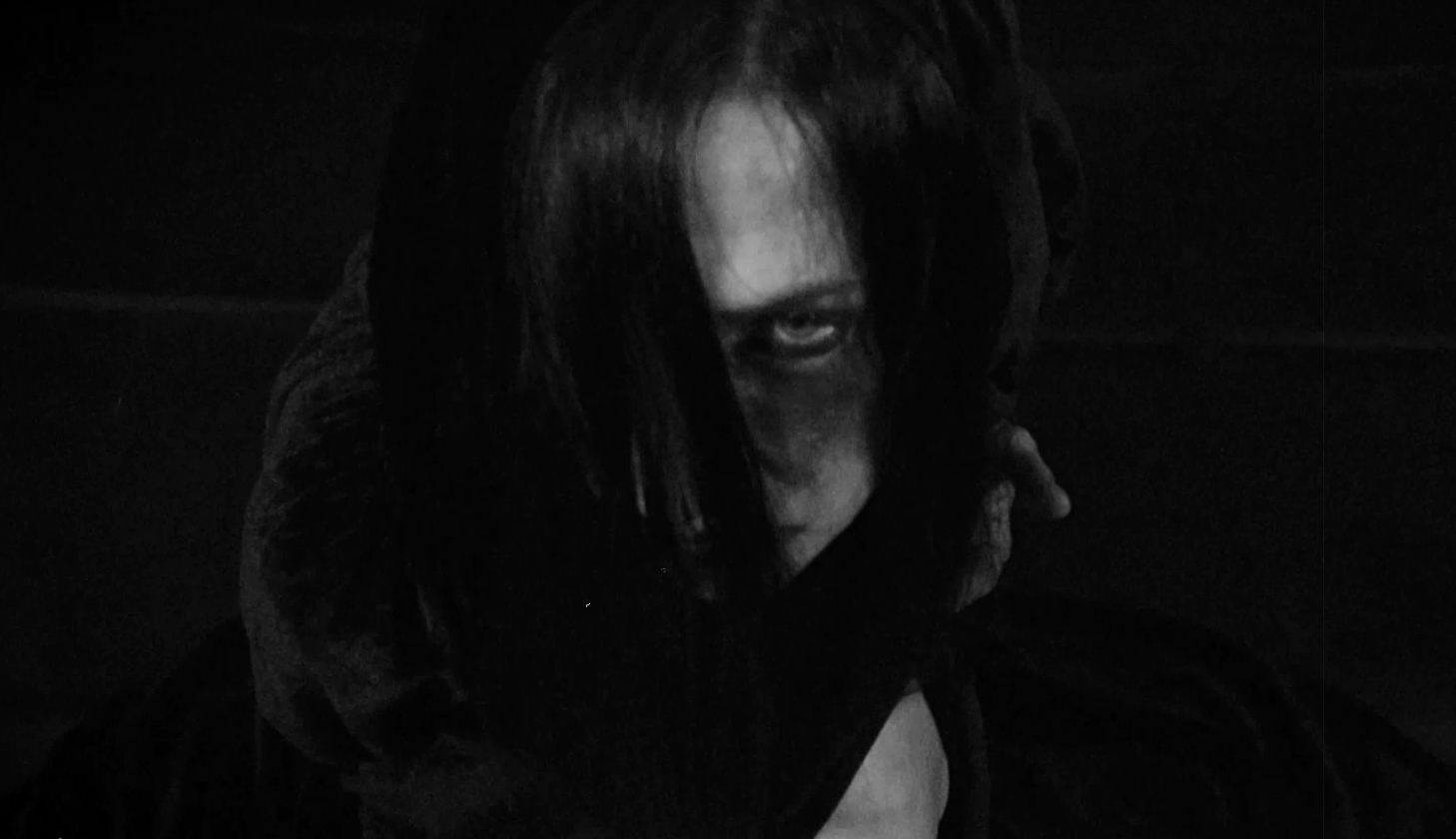
Being an experimental horror, the cinematography of Mors Omnia Solvit is used as an expressive tool to shape the audience’s perspective. Featuring an eclectic mix of emblematic symbolism, suggestive imagery, and fluctuating shutter speeds, the footage blurs the lines between reality, fantasy, and drug-induced hallucinations. Additionally, the film primarily features black-and-white (desaturated) imagery and employs dark, shadowy environments to highlight this stylistic choice. However, there are a few instances of colour footage overlaid on the monochrome scenes, intensifying the overall muted palette.
Featuring a smorgasbord of practical effects, the visceral nature of Mors Omnia Solvit is certainly its most alluring aspect. The vast amount of blood splatter and eviscerated body parts strewn across scenes, whilst highly detailed, are certainly emphasized by the black and white cinematography. However, the Pièce de résistance is certainly the ritualistic sacrifice delivered in the finale, delivering a savage display of dismemberment, cannibalism, and cult hecatomb.
Provided by Italian metal band Mater A Clivis Imperat, founded by Samael Von Martin, former guitarist and founder of the historic black metal band Evol, Mors Omnia Solvit’s score does an impeccable job of shaping the scene’s tone. From frantic, ominous rumblings and energetic folk music to pulsating strings and industrial metal, the soundtrack continuously evolves, blending various genres into a cohesive accompaniment to the dark and disturbing visuals.
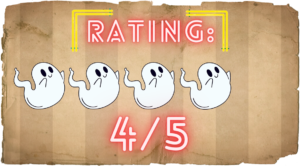
An alluringly foreboding glimpse into a world of Satanism and thanatophilia, Mors Omnia Solvit is a captivating exploration of death and desecration displayed with sleek modernity. With its experimental storytelling, avant-garde cinematography, and astounding score, the film is a bold infernal dreamscape of dissolution and destruction.
Mors Omnia Solvit will be available to purchase from TetroVideo’s website here.
More Extreme Cinema
The Sadness has been a film making some early commotion due to an extreme and graphic nature – a new angle on the zombie genre in the age of our… Sorgoi Prakov (also known as Descent into Darkness, My European Nightmare) is a 2013 French found-footage horror film written and directed by Rafaël Cherkaski, with additional writing from Quentin Boeton and… Feed is a 2005 Australian body horror thriller written by Kieran Galvin, and directed by Brett Leonard. The film is based on an idea by Patrick Thompson, and Alex O’Loughlin,… Gorenography is a 2021 documentary hosted by director Tony Newton. The documentary delves deep into the world of extreme cinema, divulging an uncensored, unbridled look at this niche underbelly of… The evolution of action films has come a long way over the years; from cheesy one-liners and over-the-top shootouts, the genre has progressed to slick visuals and epic hand-to-hand combat…. As a proud Canadian (at least when it comes to the world of cinema), I always find myself interested in horror coming from the ‘great north’. As Cinephiles from the…
The Sadness Film Review – What The F*** Did I Just Watch!?
Sorgoi Prakov (2013) Film Review – Dare I Live the European Dream?

Feed (2005) Film Review – Can You Stomach It?

Gorenography (2021) Film Review – A Conscientious Exploration of Extreme Cinema Directors

Re:Born (2016) Film Review – Dont Bring A Gun To A Knife Fight

Butchers (2020) Film Review – Gritty Slasher from Canada

Hey there, I’m Jim and I’m located in London, UK. I am a Writer and Managing Director here at Grimoire of Horror. A lifelong love of horror and writing has led me down this rabbit hole, allowing me to meet many amazing people and experience some truly original artwork. I specialise in world cinema, manga/graphic novels, and video games but will sometime traverse into the unknown in search of adventure.