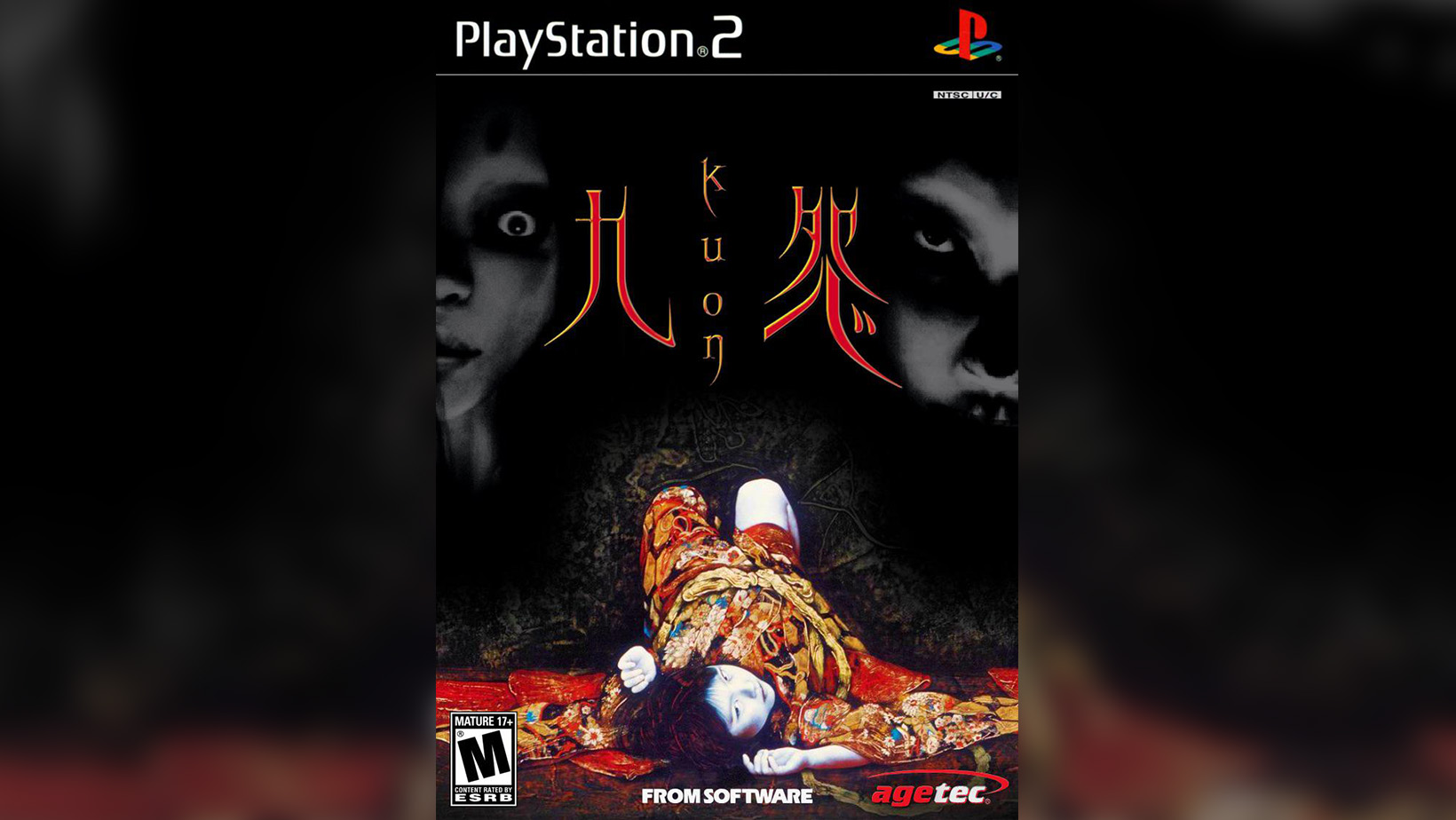

Kuon, developed by FromSoftware, is an atmospheric survival horror game released for the PlayStation 2 in 2004. Set in the Heian period of Japan, the game presents a gripping, eerie narrative revolving around ancient rituals, cursed mansions, and the supernatural. The story is primarily told through the perspectives of Utsuki and Sakuya, two women entangled in a dark, mystical conflict, with a third scenario featuring the legendary onmyōji Abe no Seimei tying the threads together.
The game’s unique structure is split into three storylines—the “Yin” phase following Utsuki, the “Yang” phase following Sakuya, and the Kuon phase focusing on Abe no Seimei. This invites players to explore similar events from different viewpoints, providing crucial perspectives that deepen the understanding of one of the most powerful curses in the world of video games. While the concept might seem repetitive, each character’s story enriches the narrative, creating a layered and multifaceted mystery.

The Story: Twisted Rituals and Haunted Mansions
In Kuon, Utsuki and Sakuya are drawn to the cursed Fujiwara mansion for different reasons. Utsuki, along with her sister Kureha, seeks their father, Doman, a powerful onmyōji who disappeared while investigating the strange occurrences at the once-thriving Fujiwara mansion. Once inside, Utsuki is separated from Kureha and spends much of her time surviving supernatural attacks while uncovering secrets about her past.
Sakuya, on the other hand, is sent to the mansion by Doman, accompanied by her brother and fellow disciples, to confront the dark forces haunting the estate. While she is more prepared to face the dangers within, Sakuya struggles with the personal tragedy she encounters and the growing suspicion that her master may not be as righteous as she once believed.
Both women face terrifying creatures drawn from Japanese folklore, battling their way through a decaying mansion filled with horror. Along the way, they encounter eerie twins whose unsettling behavior heightens the game’s tension. At the heart of the mansion’s curse lies Lady Fujiwara, once kind but now twisted into a grotesque antagonist. Her horrifying appearance is the embodiment of beauty, terror, and the tragedy that defines the whole ordeal.

Development: Crafting Kuon‘s Haunting Atmosphere
Kuon began development in 2003, inspired by the Heian period’s rich history and folklore. Producer Tanaguchi Atsushi aimed to merge historical mysticism with modern horror. The game’s art direction, led by Kojo Takashi and Fuwa Tomoko, was heavily influenced by traditional Japanese artwork, creating a haunting and otherworldly atmosphere. The design team meticulously crafted the mansion and its twisted inhabitants to evoke both historical authenticity and creeping dread.
Notably, artist Chinai Kyosuke contributed to the game’s cover and promotional artwork, particularly in Japan. His work has since become iconic, providing a visual identity that remains synonymous with Kuon.
The sound production, led by Kanda Yuji added to this atmosphere. Drawing from his work on Echo Night 2, Kanda focused on crafting audio that heightened the tension and deepened the immersion in Kuon’s haunting world, complementing the visuals to create a truly unsettling experience.

Why Kuon Flopped?
Despite its atmospheric brilliance and unique premise, Kuon struggled to find an audience. One major issue was the pacing—while it offers a slow-burn horror experience, this didn’t resonate with the action-packed trends of the time. Additionally, Kuon is deeply steeped in Japanese cultural references, including traditional rituals, yokai, and Heian period history, which made it difficult for Western audiences unfamiliar with these elements to fully appreciate the game.
Even in Japan, Kuon faced challenges. Released during a shift toward more action-oriented survival horror games like “Resident Evil 4,” Kuon’s methodical, atmospheric style felt out of step with gaming trends. Also, despite its domestic strong marketing push, it seemed the title was not connection with the audience. Furthermore, the gameplay was criticized for being difficult to master, making it less accessible to a broader audience.

Why Kuon Deserves More Recognition
Although Kuon didn’t achieve mainstream success, it unquestionably deserves greater recognition. Its stunning art direction, deeply atmospheric world, and unique approach to horror set it apart from other survival horror games of its era. By immersing players in a chilling, psychological horror experience grounded in Japanese folklore, Kuon stands as a haunting testament to FromSoftware’s creativity. The game’s eerie visuals and unsettling sound design cultivate a pervasive sense of dread that lingers long after the final encounter.
The multi-storyline structure adds further depth, allowing players to explore the unfolding terror from multiple perspectives. While its slow pacing might not be for everyone, those who appreciate a more cerebral and atmospheric approach to horror will find Kuon to be an unforgettable journey into the beautiful yet macabre.
Sadly, Kuon remains a hidden gem in FromSoftware’s library. Despite the game gaining a cult following over time, with original copies now selling for hundreds of dollars, there has been no word from FromSoftware about a re-release. Though rumors of a sequel once circulated, it seems increasingly unlikely that Kuon will see new life in the modern gaming landscape. Still, for those lucky enough to experience it, Kuon remains a hauntingly unique chapter in survival horror history—one that deserves to be remembered.
More Video Game Reviews
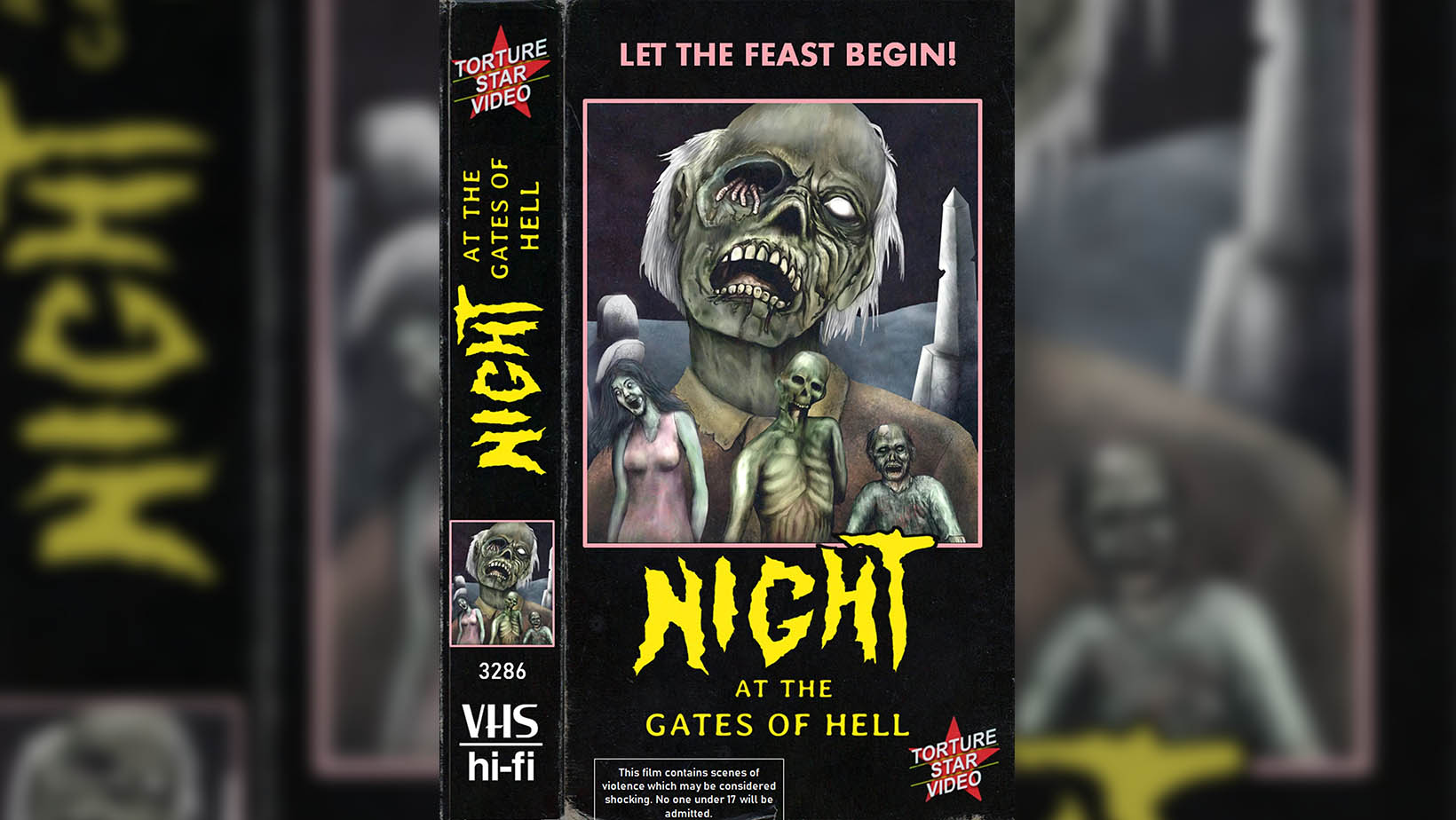
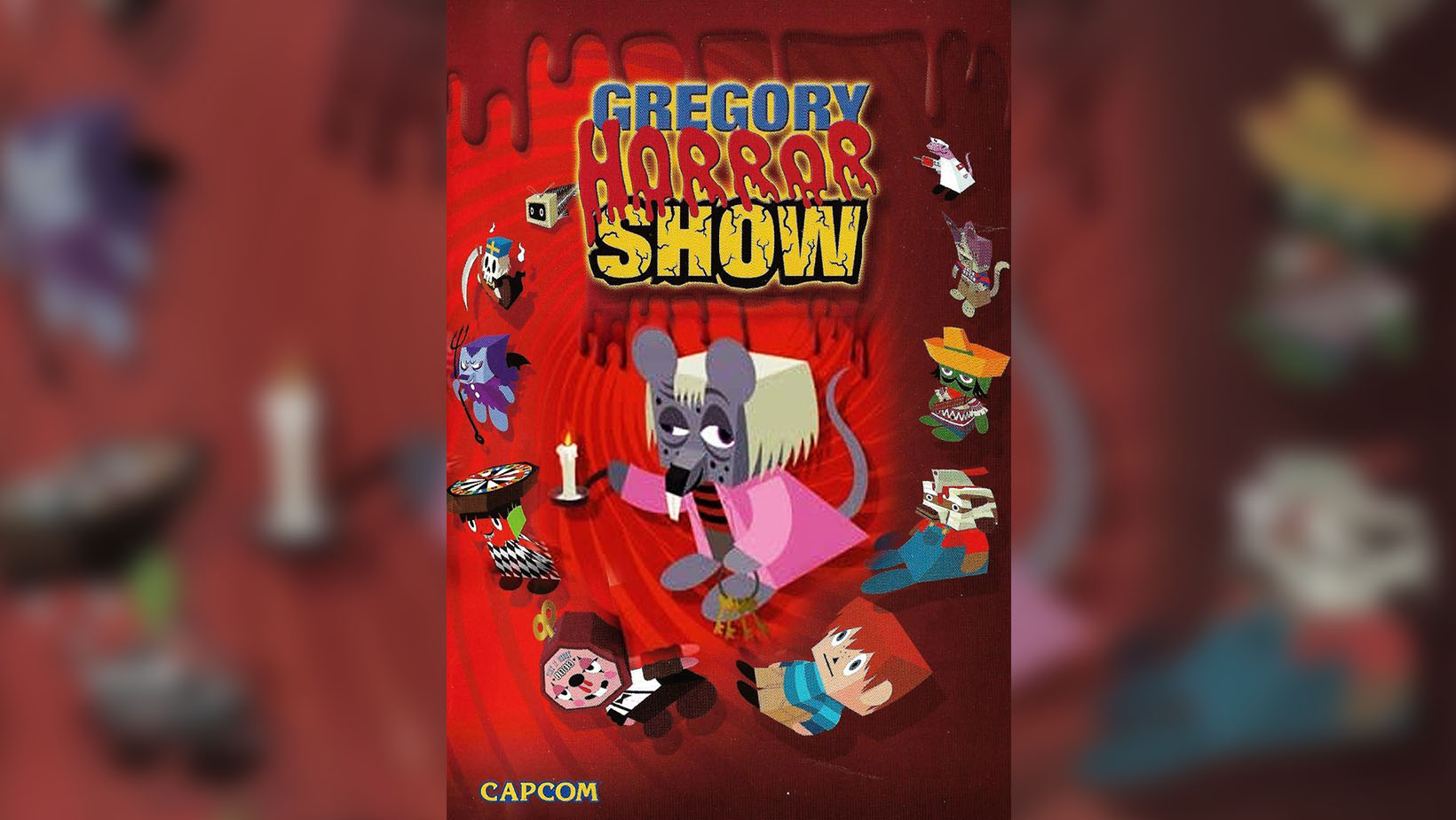
Night at the Gates of Hell (2022) is a survival zombie horror game, developed by Jordan King and Henry Hoare, and published by Torture Star Video – a production company… Unknown Tapes is a 2024 analogue horror video game created with Unreal Engine 5, developed and published by TraviTeam Games. After releasing the fast-paced, physics-based local PVP fighting game Scroter… Released in December 2021, Vampire Survivors is a retro-style roguelike role-playing bullet hell video game that takes inspiration from the Castlevania series, developed and published single-handedly by indie developer Luca… Gregory Horror Show is a 2003 Japanese mystery survival horror, developed by Capcom and released on PS2 in Japan and in Europe a few months later. The game is based… Christmas Massacre is a 2021 seasonal-themed stealth slasher, developed and published by Puppet Combo and Vague Scenario LLC. The game takes inspiration from the gore-drenched horror films of the 70s… After Spending 20+ hours with Alien Isolation, I can say that it’s one of the best modern horror games in a long while, from its Gameplay to its sound design:…Night at the Gates of Hell (2022) Game Review – I Think I Just Shit Myself
Unknown Tapes (2024) Game Review – Dinosaur Analogue Horror
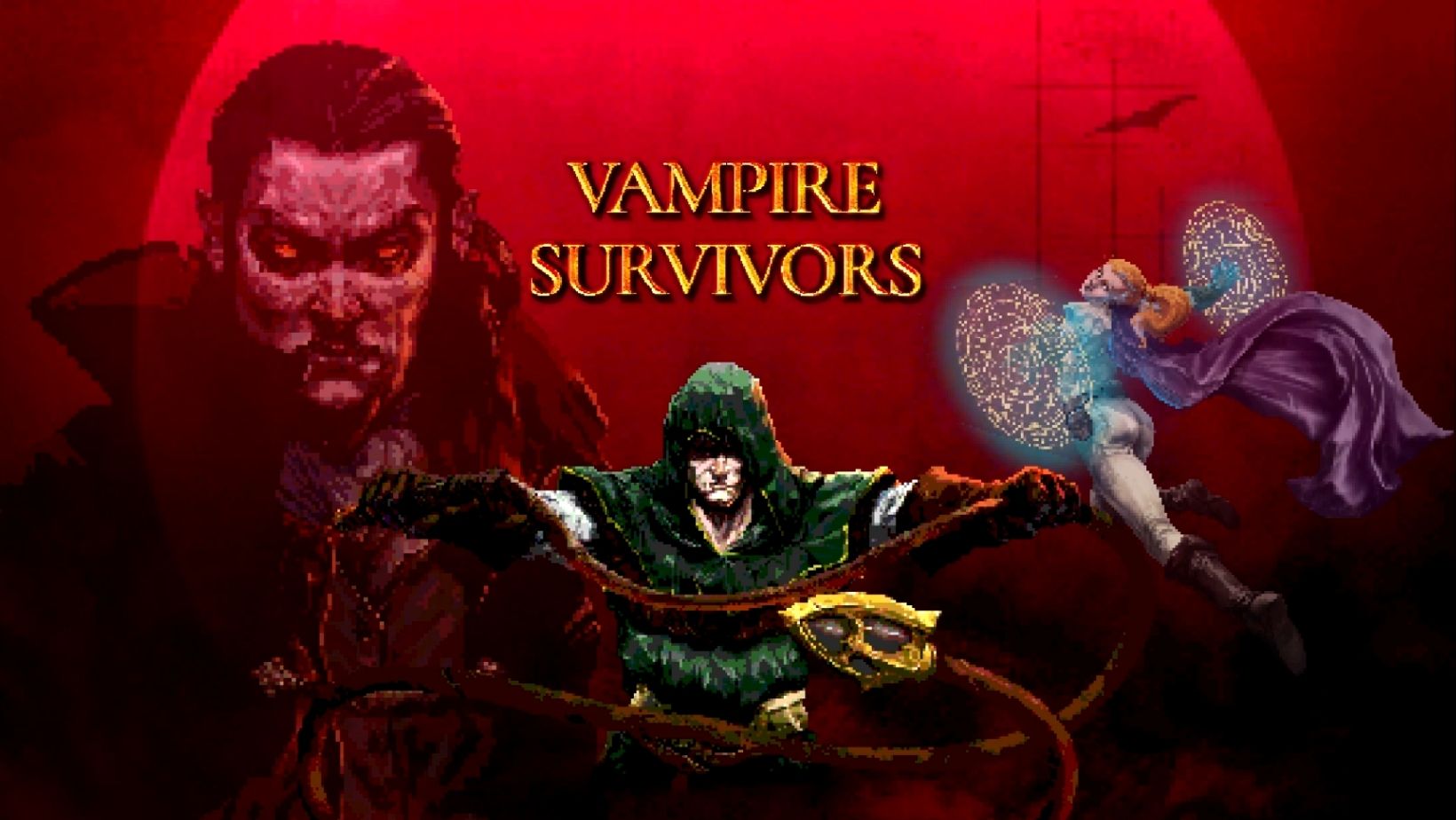
Vampire Survivors (2021) Game Review – Bite-Size Retro Fun
Gregory Horror Show (2003) Game Review – Strange Survival-Horror
Christmas Massacre (2021) Game Review – Someone’s Halls Are About To Get Decked

Alien Isolation (2014) Game Review – In Space, No One Can Hear You Poop Yourself

Hi everyone! I am Javi from the distant land of Santiago, Chile. I grew up watching horror movies on VHS tapes and cable reruns thanks to my cousins. While they kinda moved on from the genre, I am here writing about it almost daily. When I am not doing that, I enjoy reading, drawing, and collecting cute plushies (you have to balance things out. Right?)