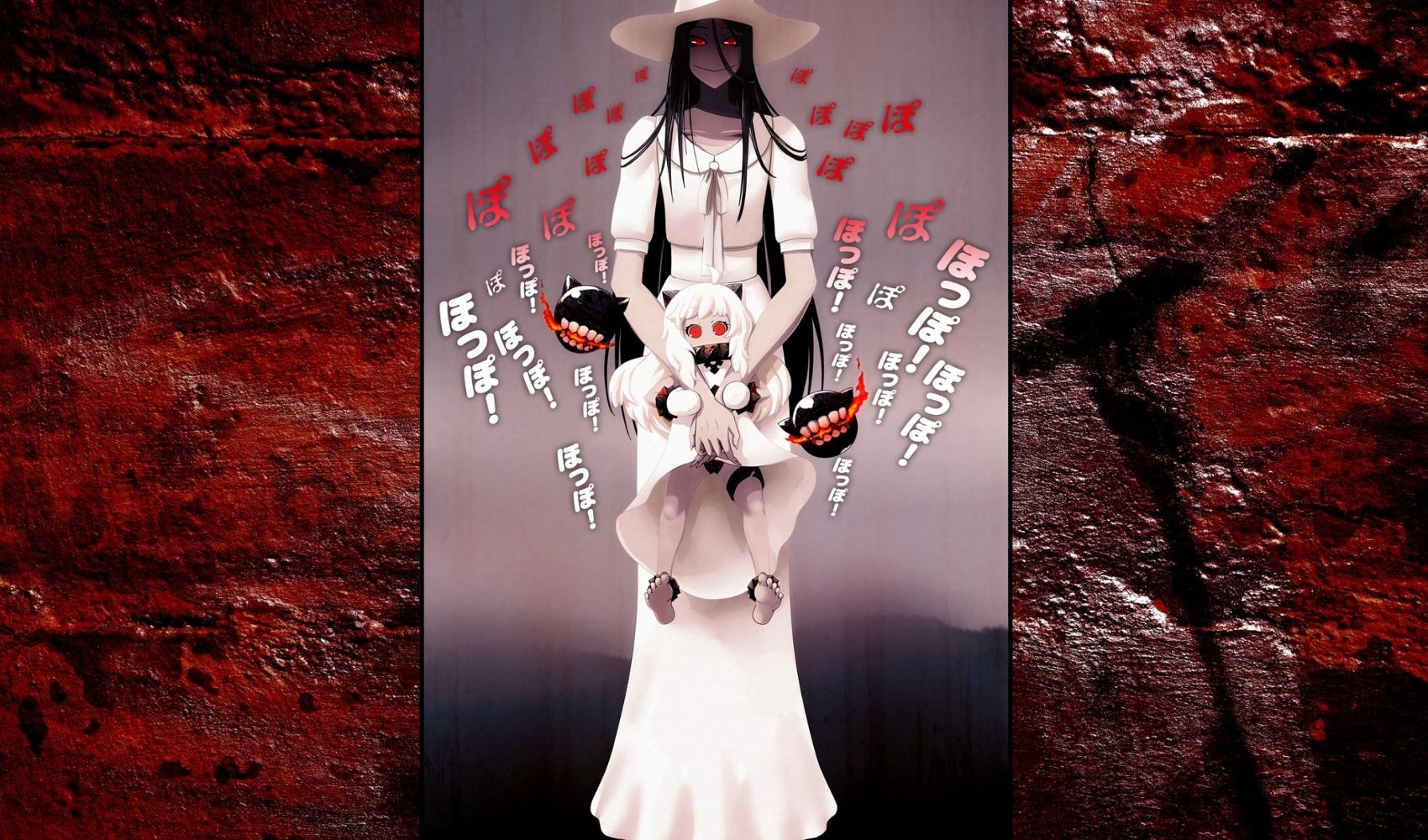
Hasshaku-sama, translated to ‘Miss Eight-Feet-Tall’, is a Japanese urban legend – who is possibly classified as a modern Yokai interpretation of ‘ Taka-onna’– originating on the Japanese message board 2Chan in 2002. The figure has strong parallels to ‘Slender Man ‘ in the West (invented itself in 2009 via Something Awful) – a sign her figure as a concept is perhaps intrinsically popular. At an intimidating two meters height, her imposing stature is the anomalous feature sure to overshadow most people – her silhouette between definitely terrifying the most stout hearts from such a menacing size.

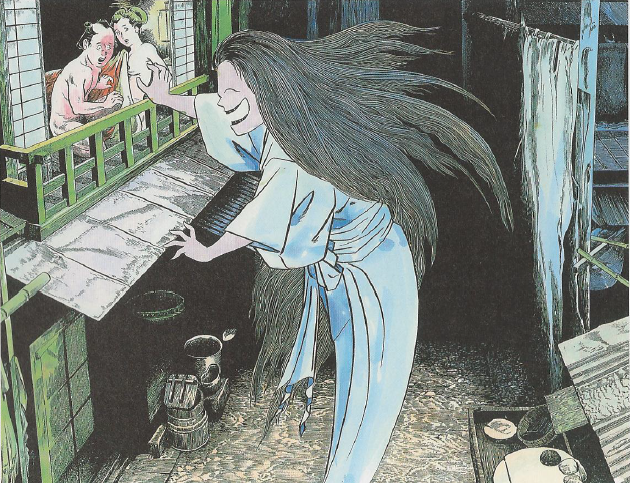
As a similar phenomenon to the modern urban legend, there are historic folklore records in the Wakayama prefecture regarding a female Yokai incredibly tall referred to as ‘Takanyobo’. She was reputedly a scorned wife thrown into a well to die who subsequently stretched into a dazzling height to escape before seeking vengeance. These classical tales provide evidence of a longstanding significance to ‘tall women’ in Japanese folklore, which perhaps inspired this modern variant or reflects an appeal of such characteristics to popular imagination.

The modern tall woman, Hasshaku-sama, is portrayed to wear a wide brim Summer hat and white Summer dress, with an elongated figure to perhaps highlight her height. She lurks around a victim uttering a sound described as a crackling “po” in repetition, tormenting victims for days in creeping manifestations until their inevitable disappearance. Tales of Hasshaku-sama revolves around her primarily stalking and kidnapping children in particular – a prevalent trope in the ‘Creepypasta’ mythos online which might be relatable to the younger audiences these narratives usually attract. It is no doubt Creepypasta serve as an induction to the horror genre in the digital era, mirroring hushed campfire tales amongst teenagers as a trend.
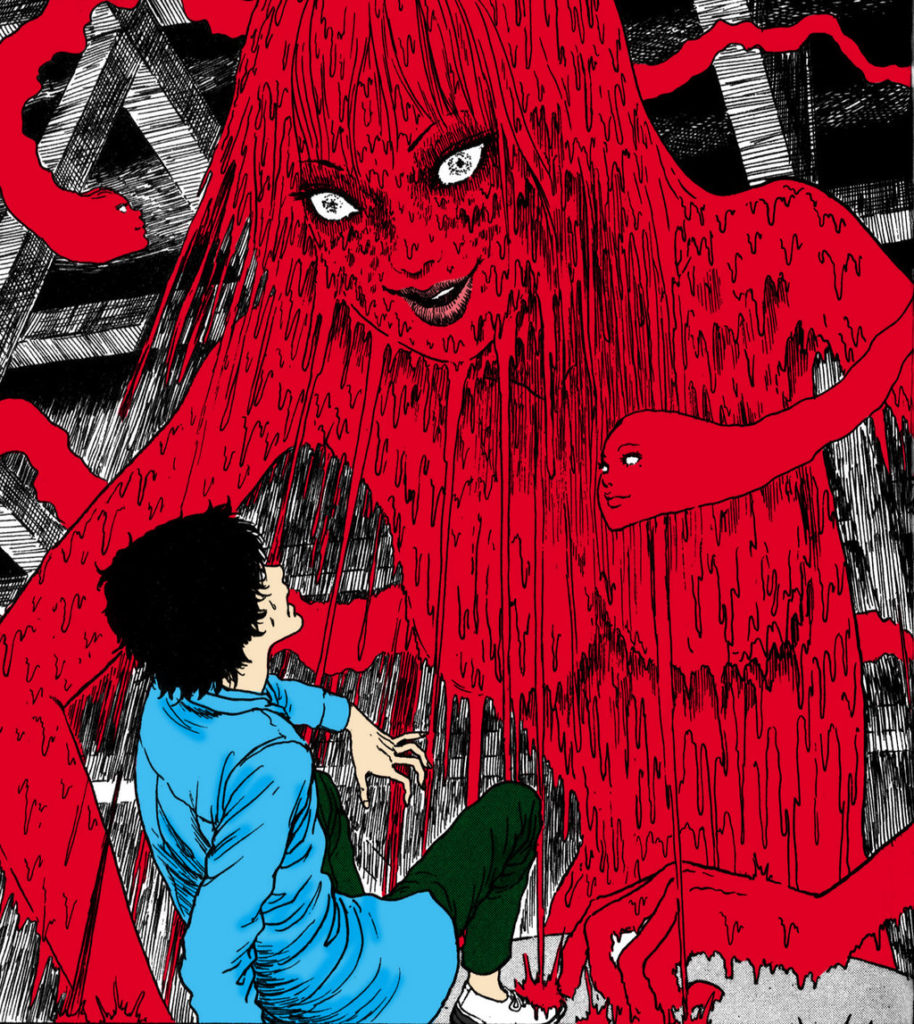
Except her extraordinary height, which would certainly facilitate quite the stride, Hasshaku-sama supposedly possesses the power of mimicry for familiar voices to entice victims with whom she’s enthralled – ideal against children who may trust their older relatives as an authority. Reportedly, she is a relentless force once fixated – little will deter and hinder her. It is rumoured she may only be impeded from piles of salt as a typically European superstition of a mystical ingredient to counteract spirits. Details, however, are contradictory and varied in accounts as standard for folkloric affairs – time, regions and author all alter records to interpretations. How would you ever know which version is correct, and would you have time to try any concoction?
More Folklore Content
Ken Niimura is a Spanish-Japanese artist who employs a simplified, endearing style to share three stories in this volume of the taboo. Taking inspiration from the Japanese tales he heard… Cow Head, or Gozu in Japanese, is an urban legend that cryptically claims the existence of a tale able to shatter one’s sanity from reading mere fragments – the whole… You may already be aware of the hit mobile game Fate/Grand Order, which has a really fun mix of anime, historical figures, folklore, waifus and even some sci-fi elements! Right… When studying the occult, you will learn that each culture has its own dealings with the concept of magic. Be it through divine blessings, nature spells, or via the influence…
Never Open It: The Taboo Trilogy Manga Review – Japanese Folklore Re-Envisioned

Urban Legend of Gozu

Japanese Folklore of Fate/Grand Order: The Tongue-Cut Sparrow
Four Unsettling Japanese Curses

Some say the countdown begun when the first man spoke, others say it started at the Atomic Age. It’s the Doomsday Clock and we are each a variable to it.
Welcome to Carcosa where Godot lies! Surreality and satire are I.
I put the a(tom)ic into the major bomb. Tom’s the name!