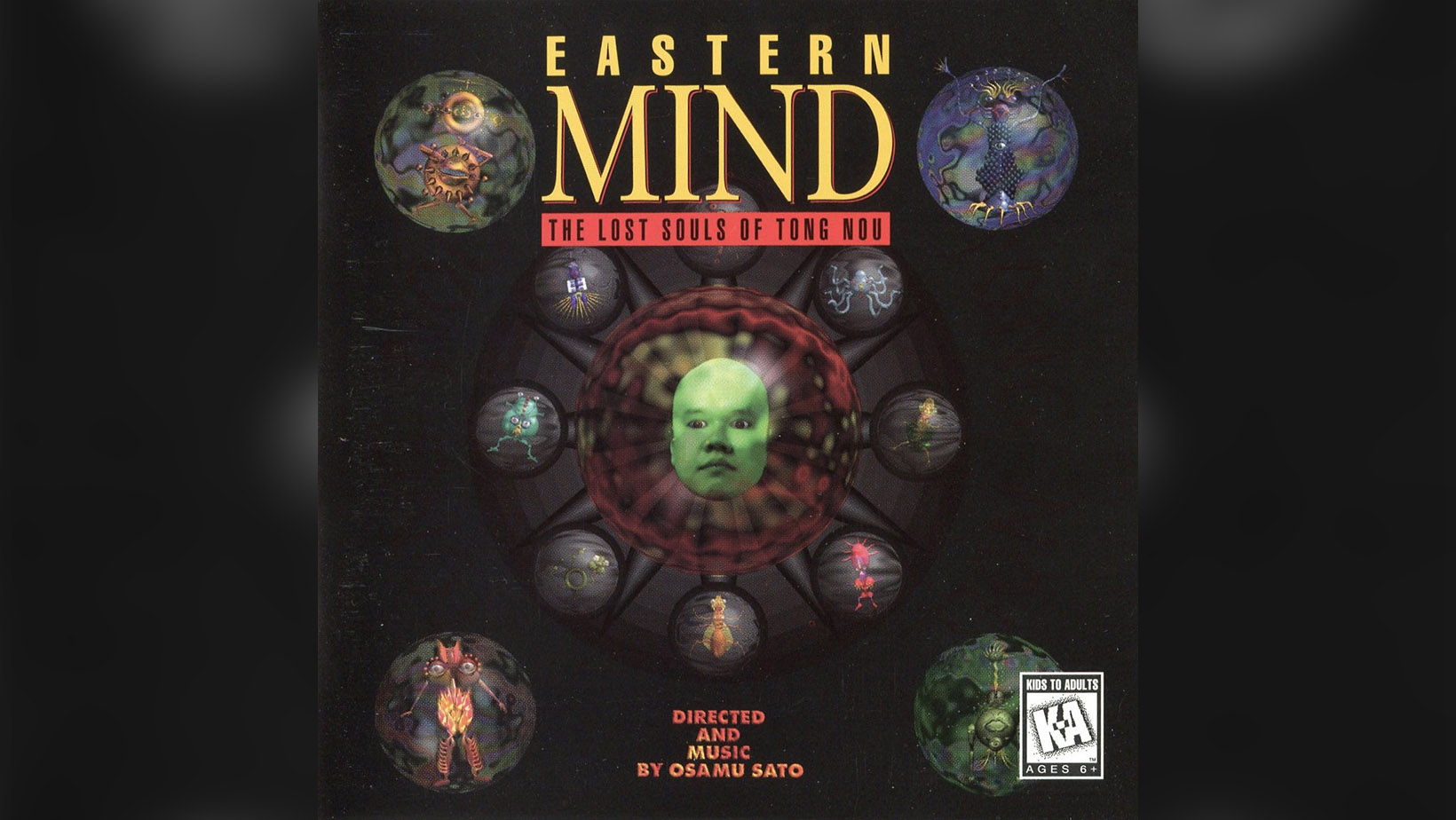





For those familiar with the fantastically oneiric LSD: Dream Emulator game, the Osamu Sato name may ring a bell. Born in 1960, this digital artist and composer has a knack for creating both visual and musical psychedelic aesthetics. One of his early works, and unfortunately not as well-known as LSD: Dream Emulator (1998), is Eastern Mind: The Lost Souls of Tong Nou (1994). While many specialised outlets describe this game as a point-and-click adventure, Sato describes it more as a CD-ROM experience. I understand it might sound like he is being snobbish just for the sake of it by making this distinction, but it is fair to say that Lost Souls is indeed an experience difficult to classify.
Eastern Mind: The Lost Souls of Tong Nou tells the story of a man named Rin who has lost his soul. In order to recover it, he borrows his friend’s soul for 49 days and goes to Tong Nou to die and be resuscitated nine times. Incorporating elements of Sato’s Buddhist beliefs, the game’s main theme is reincarnation, in which it is said that karma influences birth and death, two endless processes. In fact, in the narrative, death is not depicted as a conventional game over. It is necessary to advance the story, since the MC will appear as another character.

I understand that this concept might sound too dense to be enjoyable at all. However, it is when Sato’s unique visuals and music give it that push that makes the entire work memorable. For starters, Tong Nou takes the shape of an altered green version of the game developer’s head, and inside each part of it, there are entire lands to explore. On the other hand, the character designs are surrealist and, at times, terrifying. Since the game glitches once in a while and speeds up some animations intensely, the whole atmosphere takes on an insane quality. With the addition of an outstanding techno-house soundtrack, Tong Nou becomes deliciously unsettling.
According to some sources, Osamu Sato planned to make a trilogy or sequel out of this game. Unfortunately, this never came to fruition. The game was originally released for Windows and Mac OS. It was planned to be released on PlayStation, but this fell through. Due to its more limited release and probably the non-mainstream themes and aesthetics, the game ended up becoming a rarity. Still, you can find many play-throughs of Tong Nou online that let you give a look at this piece of wonderful weirdness that not many dare to explore, even now.

More Video Game Reviews
Vampire Survivors (2021) Game Review – Bite-Size Retro Fun
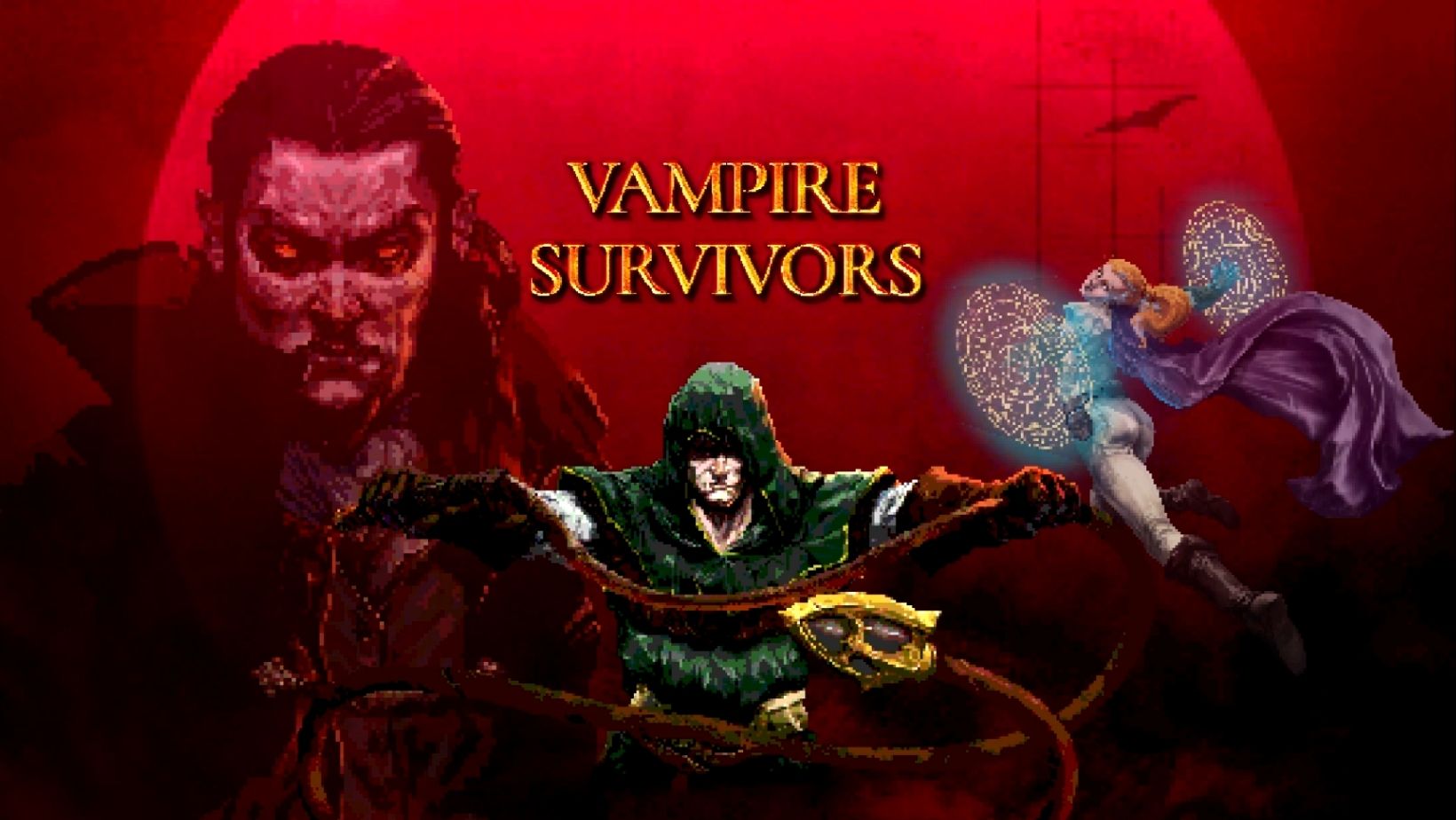
Released in December 2021, Vampire Survivors is a retro-style roguelike role-playing bullet hell video game that takes inspiration from the Castlevania series, developed and published single-handedly by indie developer Luca…
Berserk and the Band of the Hawk (2017) Game Review
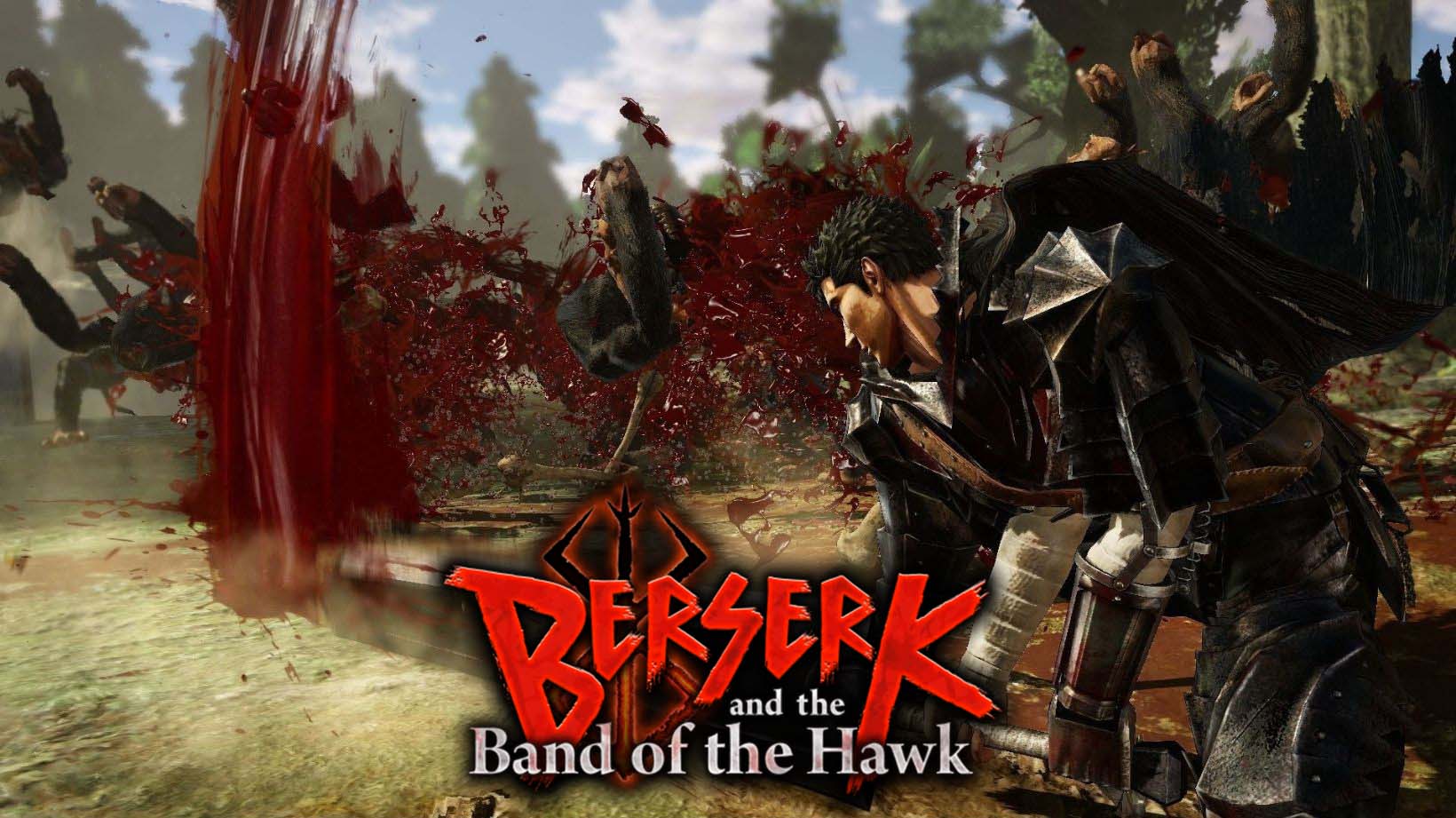
Berserk and the Band of the Hawk, known in Japan as Berserk Musou, is a 2017 hack & slash Musou game developed by Omega Force and published by Koei Tecmo…
Japan Deep Dive: The Saori Incident
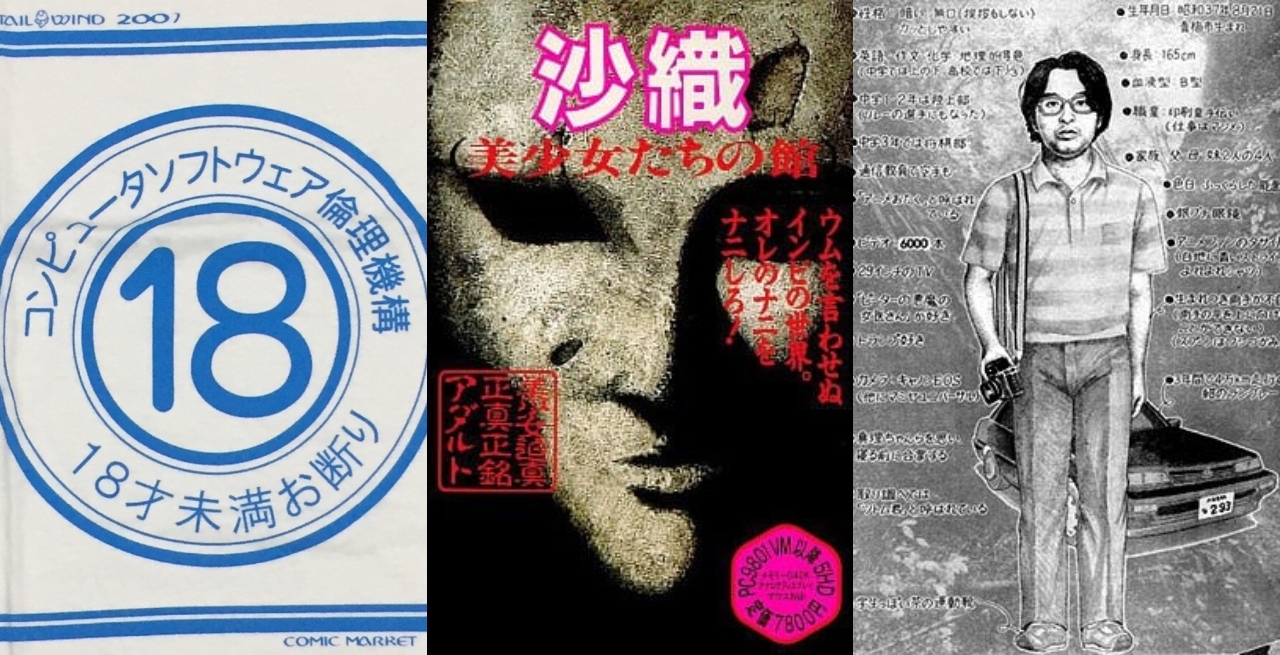
Hi fellow weirdos! Today we are discussing an obscure controversy that actually changed the whole Japanese adult video game industry. Dubbed “The Saori Incident” in the press, this 1991 affair…
The Cosmic Horror of Death Stranding
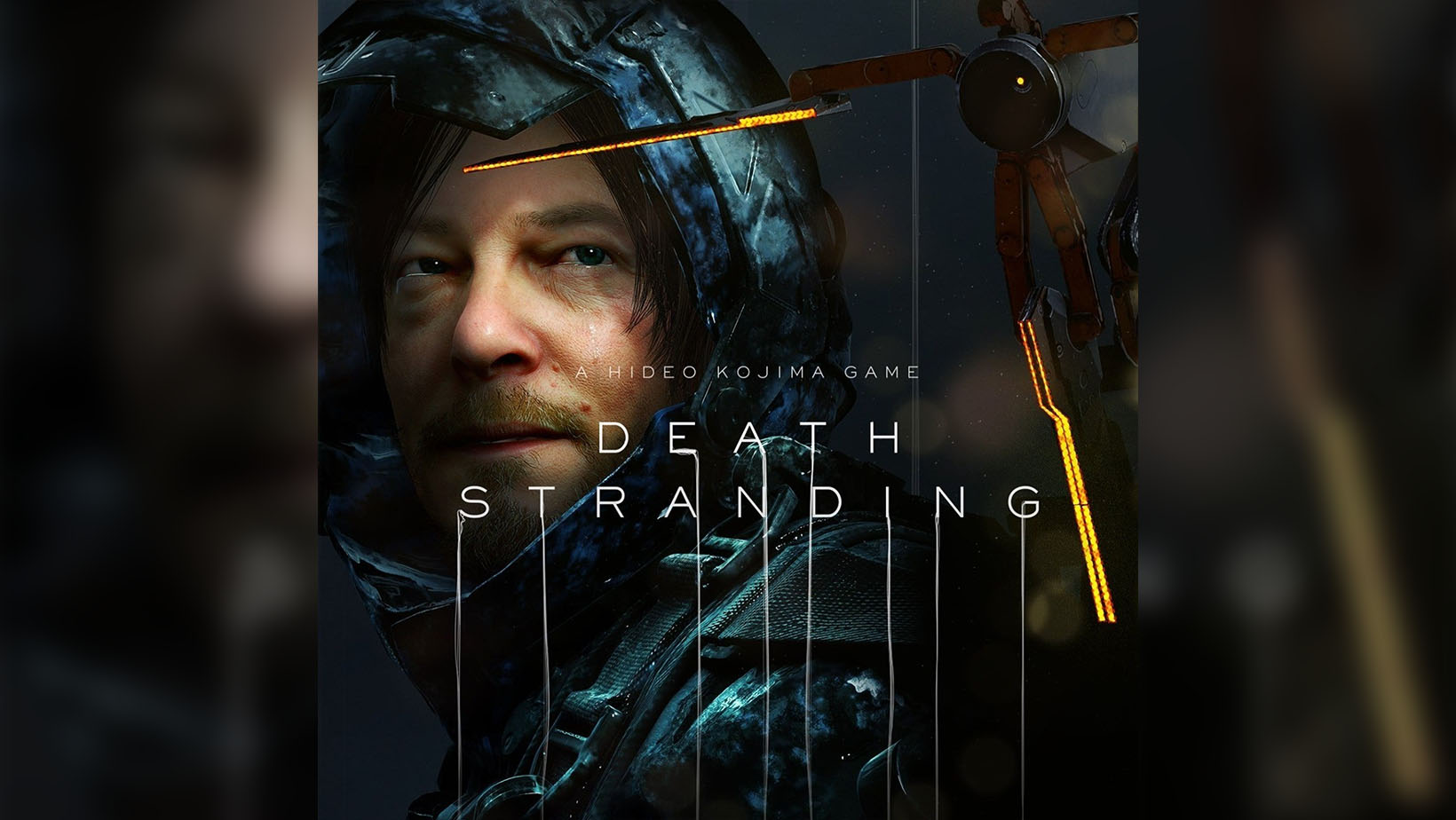
Death Stranding is an oddity as an experience, frequently misrepresented – a melancholic meditation through shattered civilization, humanity desperately endeavouring to reassemble itself in despair; somber music lulls over the…
Dead Trash (2025) Video Game Review
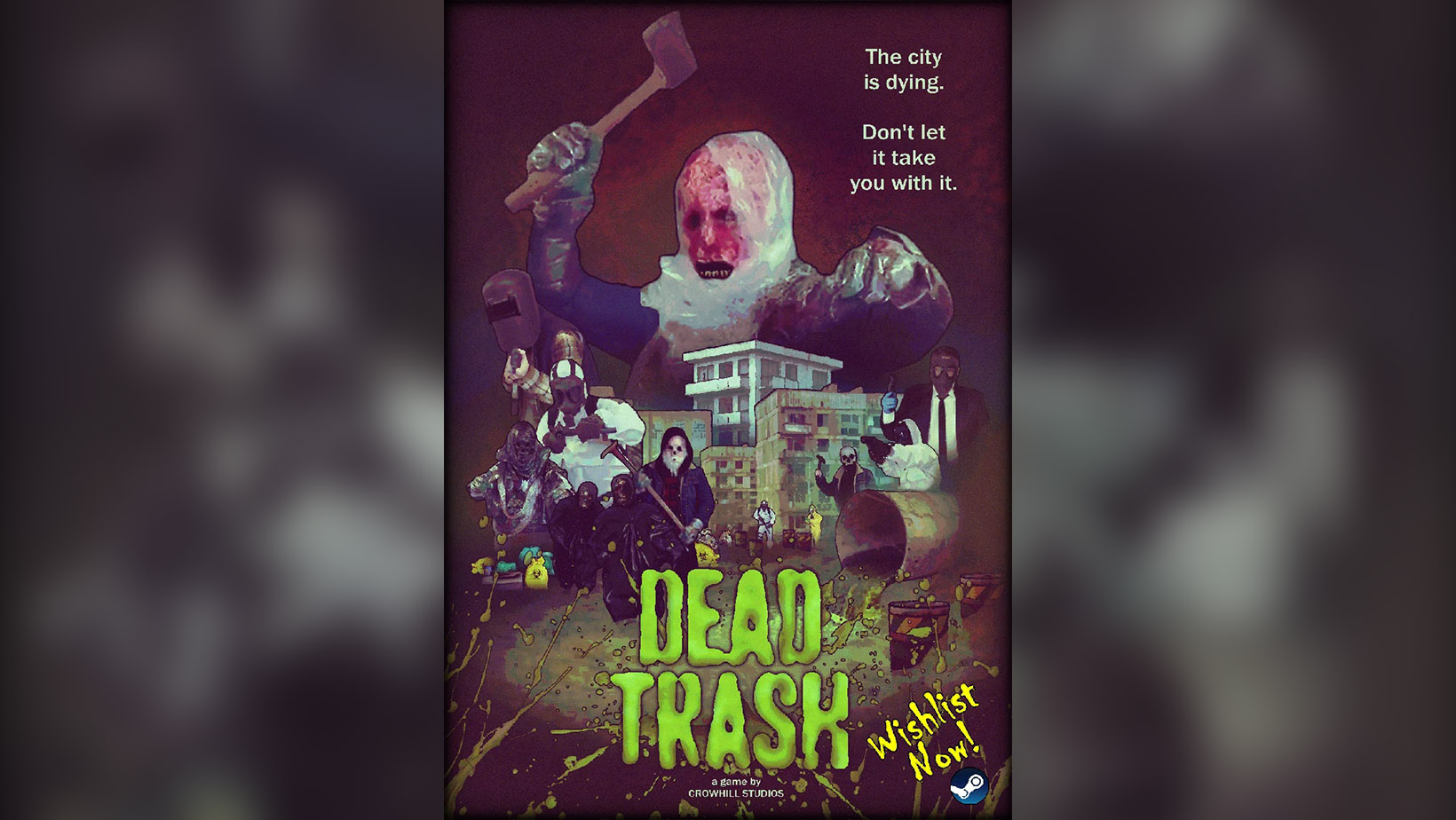
Dead Trash is a 2025 retro-throwback boomer shooter developed by Crowhill Studios and published by DOSMan Games. Years into a brutal lockdown, a once-thriving city lies in ruins, abandoned by…
WORLD OF HORROR: An Investigative Interactive RPG of Junji Ito and Lovecraft’s dreams
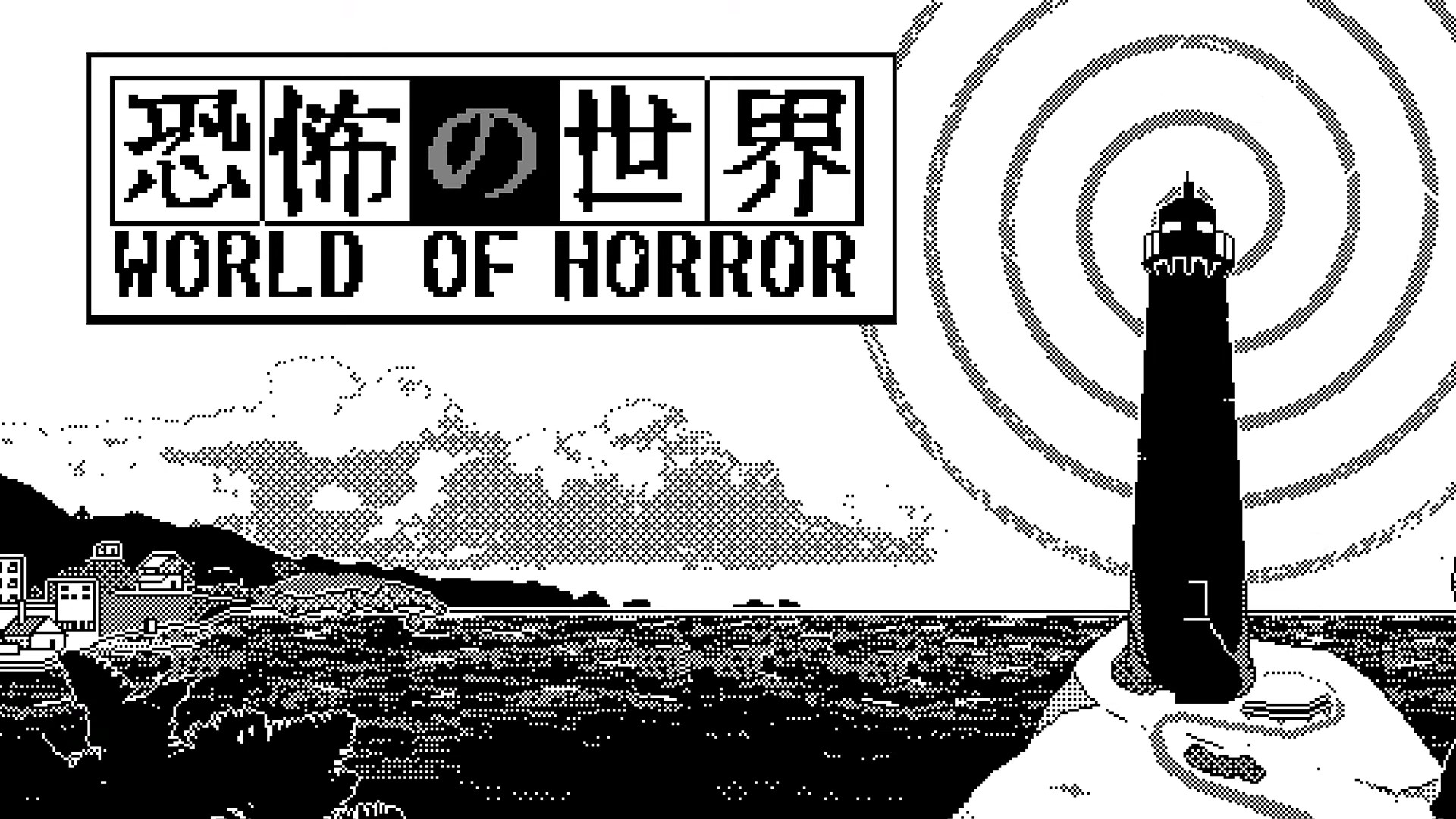
With a retro approach to rudimentary mechanics, and grim pixelated presentation, World of Horror is a passionate tribute to J-Horror; notably towards the eminent horror mangaka ‘Junji Ito’ who specializes…

Hi everyone! I am Javi from the distant land of Santiago, Chile. I grew up watching horror movies on VHS tapes and cable reruns thanks to my cousins. While they kinda moved on from the genre, I am here writing about it almost daily. When I am not doing that, I enjoy reading, drawing, and collecting cute plushies (you have to balance things out. Right?)