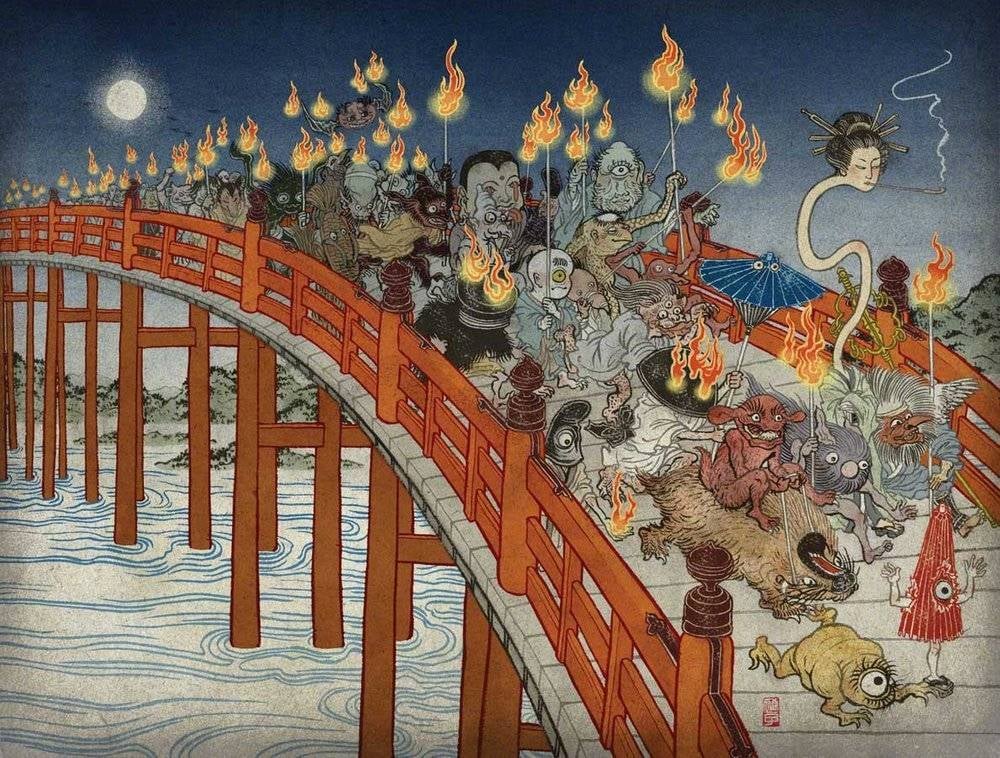
Hyakki Yagyō, translated to ‘Night Parade of One Hundred Demons’, is a supernatural event in Japanese folklore whereby yōkai of all kinds assemble – sometimes reportedly led by ‘Nurarihyon‘ – and march festively as an orderly procession throughout the night, escalating into chaotic riots on some occasions. Anybody unfortunate to encounter the parade will not survive as a witness: they will be ‘spirited away’ with the bandwagon into the otherworld. The affair has such a distinction in Japanese imagination that various artworks have depicted the scene and it has also been incorporated throughout media.
Although the exact origin is difficult to pinpoint as common in folklore, the earliest related tale is from Fukuhara-kyō. An adolescent nobleman is ordered to relocate to the Imperial Court from Kyoto and he leaves a servant at his residence as a dutiful housekeeper. Upon his return, he discovers an infestation of a hundred yōkai have occupied his house to host an unruly party. The nobleman prays to the Buddha and these infringing spirits are dispelled by dawn.
An alternate version has him encounter these during his trip to the Imperial Court – his carriage is ambushed from such a parade. Ogres smash the wagon with mallets while demon shoot fireballs to burn it. The nobleman escapes into nearby fields, prays and the demonic crowd are eventually expelled at dawn as darkness leaves.
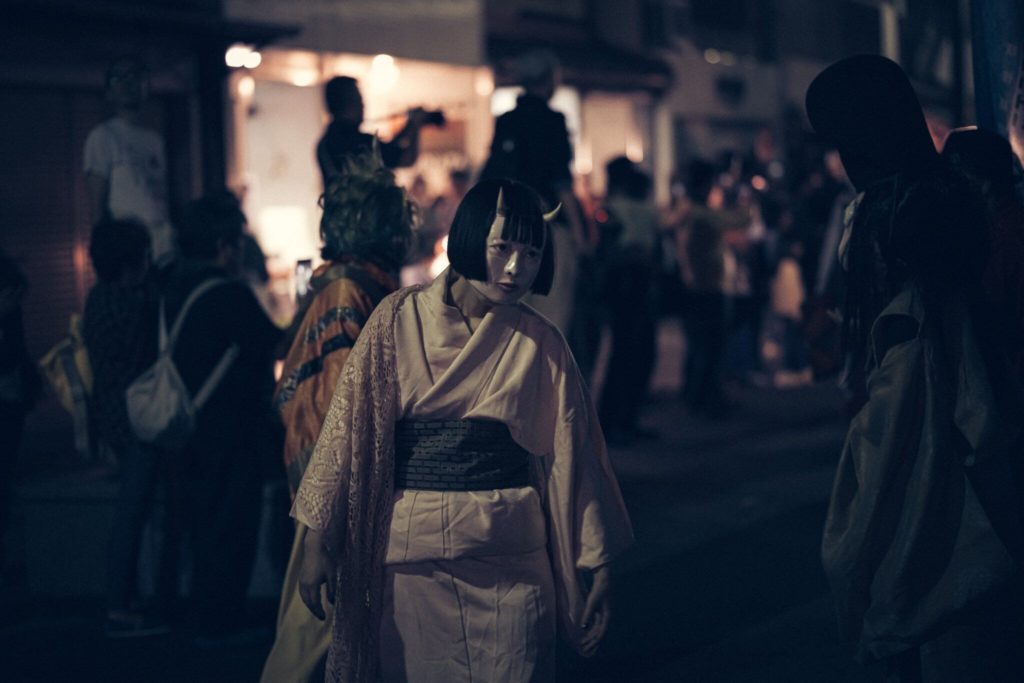
A real life tradition inspired from this myth first supposedly originated in the Muromachi period (1336 to 1573) through handscrolls, residents abandoned tools on the street and these (in anger like a deranged Toy Story) transformed into a vengeful parade from being disowned, a phenomenon known as ‘tsukumogami‘. In Kyoto at the Taishogun Shopping Street– which is also known as “Ichijo Yokai Street” as an area thought to mark the boundaries between worlds– the Hyakuki Night Festival is performed on the third Saturday of October as an act to ward off such vengeful parades. Residents dress up as an ensemble of yōkai in the hundreds and perform their own parade to counteract that of the spiritual world – a cultural event increasingly attracting considerable tourism.
More Urban Legends:
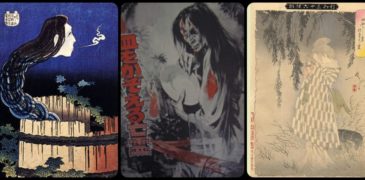
The Kaidan of Banchō Sarayashiki (The Dish Mansion at Banchō)
Banchō Sarayashiki, translated to ‘The Dish Mansion at Banchō’, has a strong legacy in Japan as a kaidan (Japanese ghost story) since 1741, it has been adapted in various ways…
Senritsu Kaiki File Kowasugi! File 03: Legend of a Human-Eating Kappa (2013) Film Review- Now it’s a cryptid!
Director Koji Shiraishi takes a dip into cryptozoology in Senritsu Kaiki File Kowasugi! File 03: Legend of a Human-Eating Kappa (shortened to File 03). In this third installment in the…
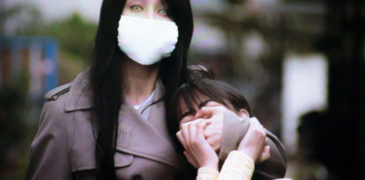
Carved: The Slit-Mouth Woman (2007) Film Review – A Dark Portrayal of Child Abuse and Urban Legend
While this film is initially easy to write off as superficial with cheaper scares, I feel that it deserves much more credit and a deeper dissection. With a severe spoiler…

Minky Momo Anime Curse – The Urban Legend of Episode 46
Before the likes of Puella Magi Madoka Magica instilled dark elements into the ‘Mahou Shoujo‘ (magical girl) genre, there came an anime called Magical Princess Minky Momo. While presenting an…

Some say the countdown begun when the first man spoke, others say it started at the Atomic Age. It’s the Doomsday Clock and we are each a variable to it.
Welcome to Carcosa where Godot lies! Surreality and satire are I.
I put the a(tom)ic into the major bomb. Tom’s the name!