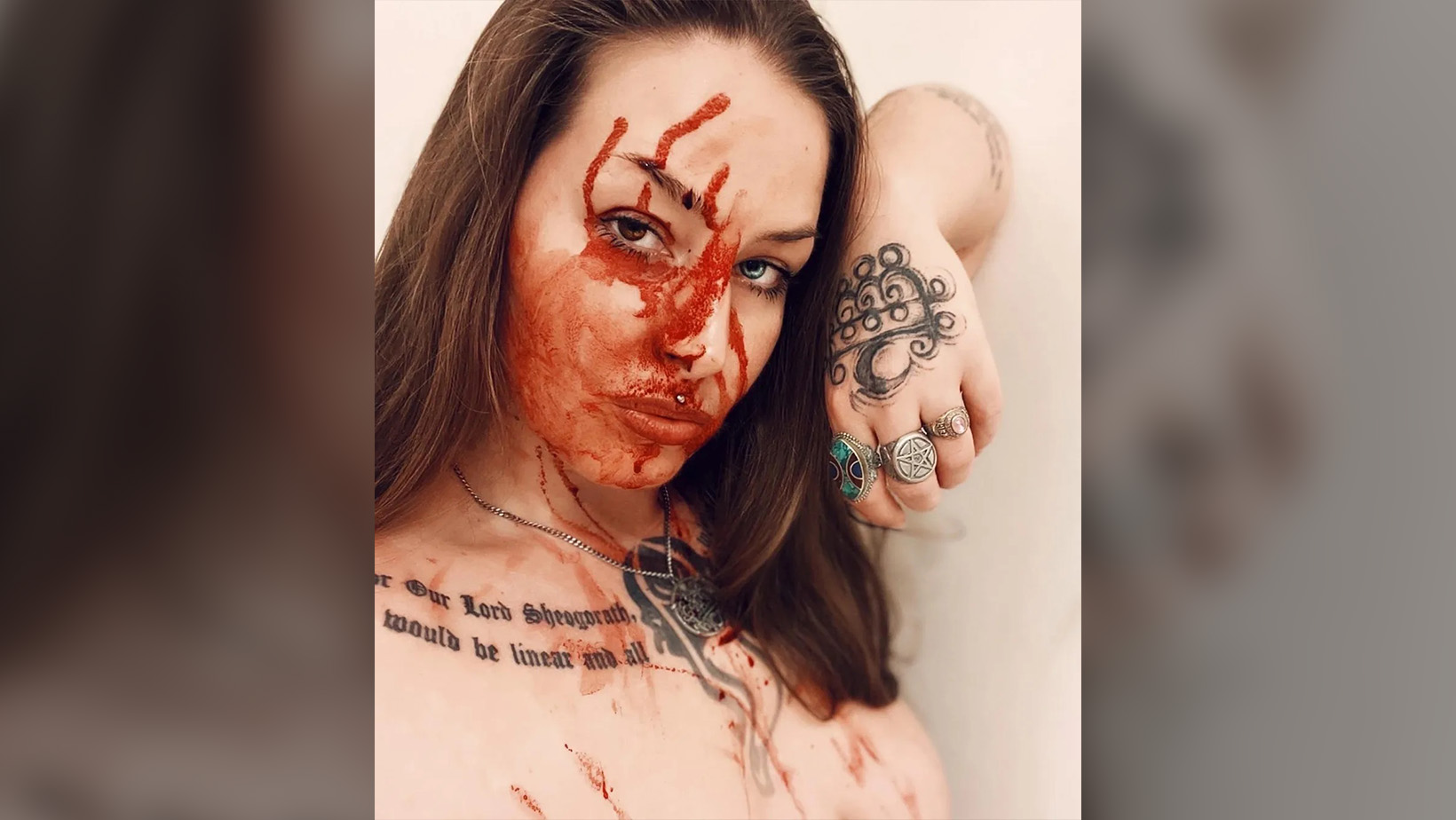

Born in Madison, Nashville, TN, Cory DeAn Cowley was raised by her mother, Lisa, in suburbia. Raised in what would become her hometown of Hendersonville, Cowley spent the majority of her childhood obsessed with any and everything dark. She is known for: “The Trouble With Tessa“, “DEVOUR“, “The Forest Hills“, “Deathwoods“, and more grind-house titles such as “Trypophobic Posession“.
With origins in controversial and extreme styles, Cowley is not afraid to push the envelope. Known for utilising taboo elements in her own original art, directors and creatives alike note her as “The Lady of Decay”.
We were lucky enough to have the chance to chat with Cory about her work and her creative process.
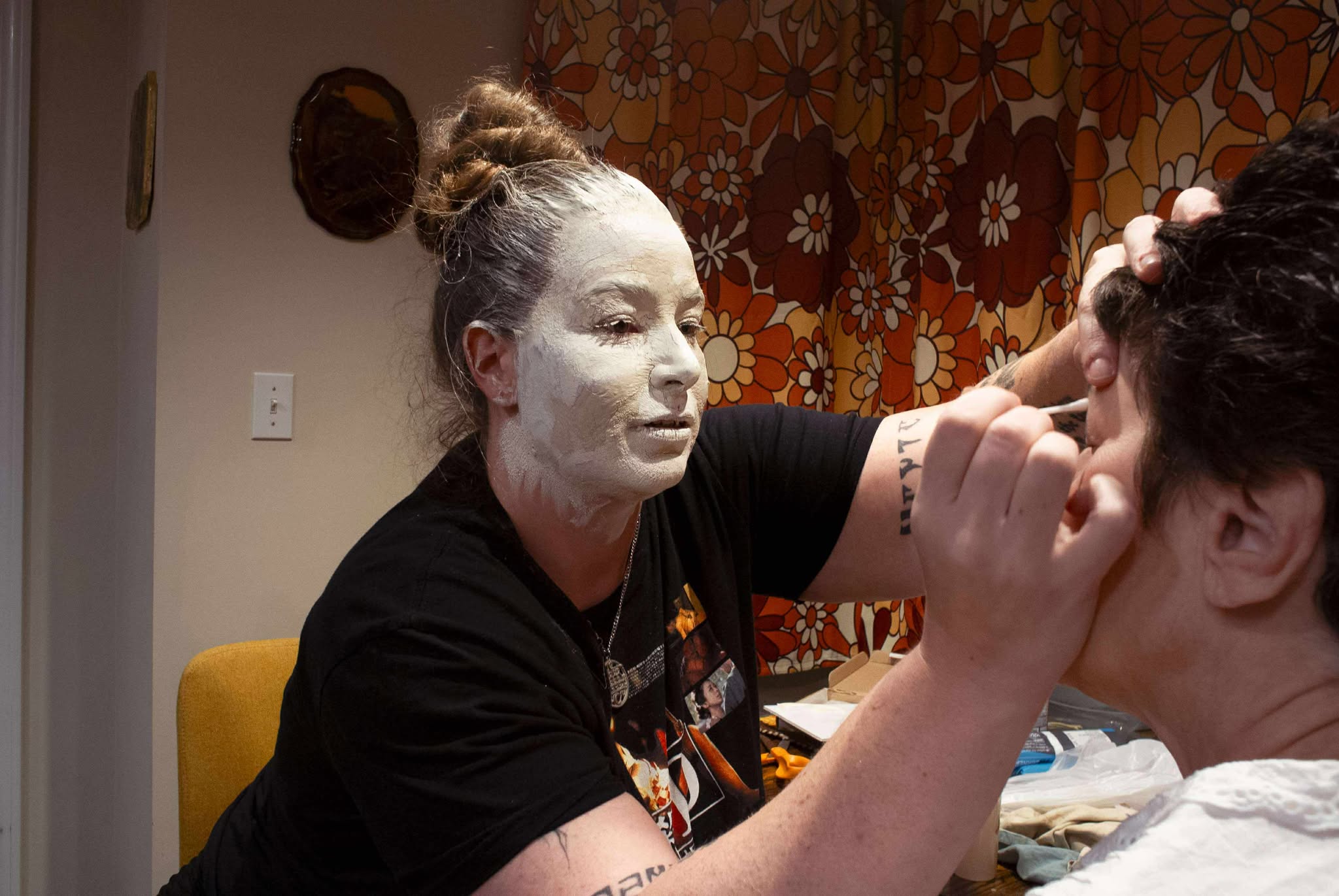
Can you share your earliest experience with the horror genre and what initially attracted you to it?
My earliest experiences were definitely as a kid. My household was always into Halloween, and we’d annually dress the house up like it was a competition. The cul-de-sac I lived, every house used to go all out – so, it was a very special, prominent time that always stuck in my brain. My mom used to always let us watch horror movies. Hellraiser was my first film and I can still distinctly remember seeing the VHS tape with both the first and second.
How did you develop your skills in practical effects, and were there any key influences or mentors along the way?
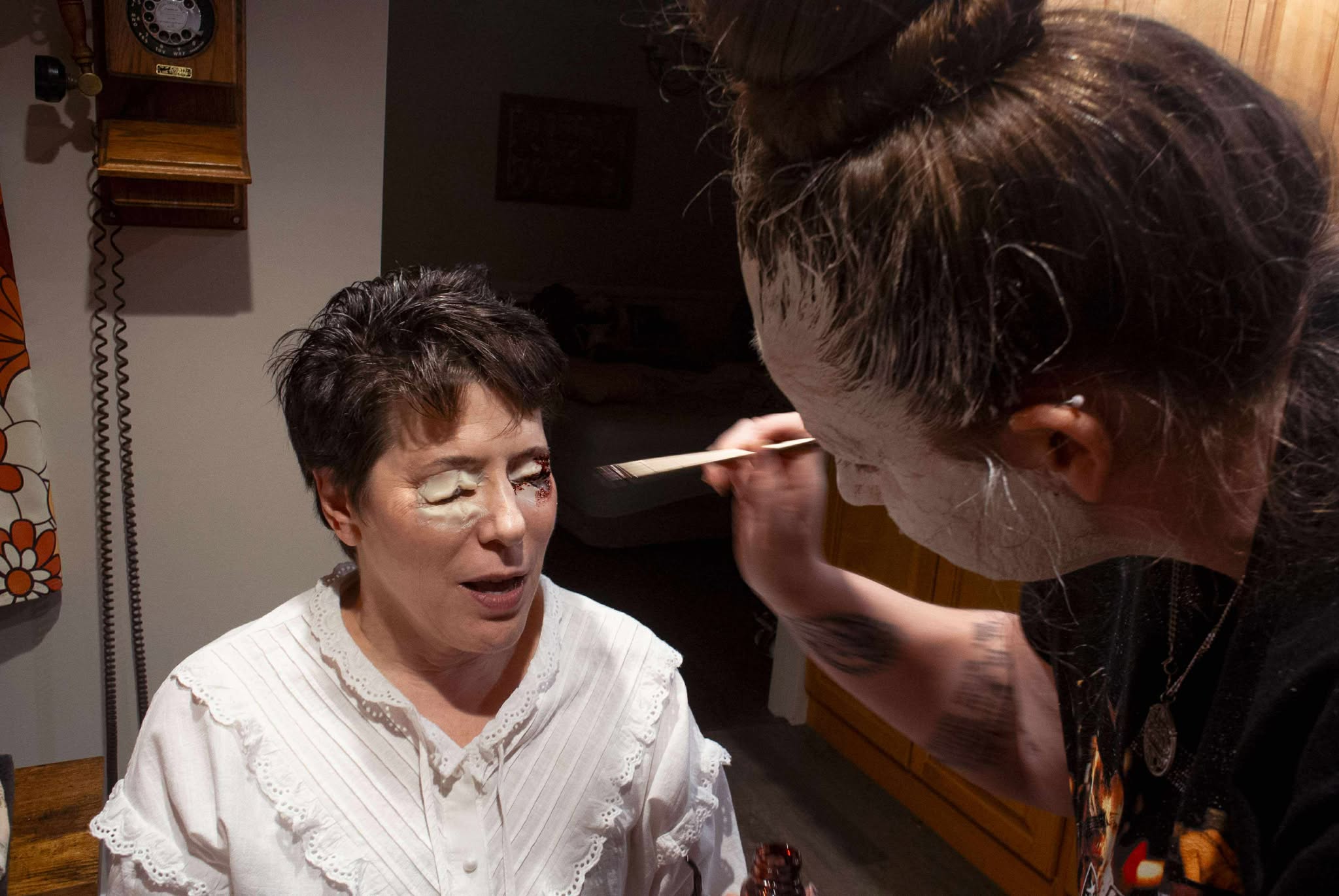
Yeah, definitely. Gary Tunnicliffe was probably the coolest guy I recognized at any early age. Frank’s transformation was like a life-changing experience seeing it for the first time. I was utterly dumbfounded. As far as me developing skills – I think a lot of that has to do with time and patience. You can watch tutorials all day and go to class, but the real growth is being hands on with your product.
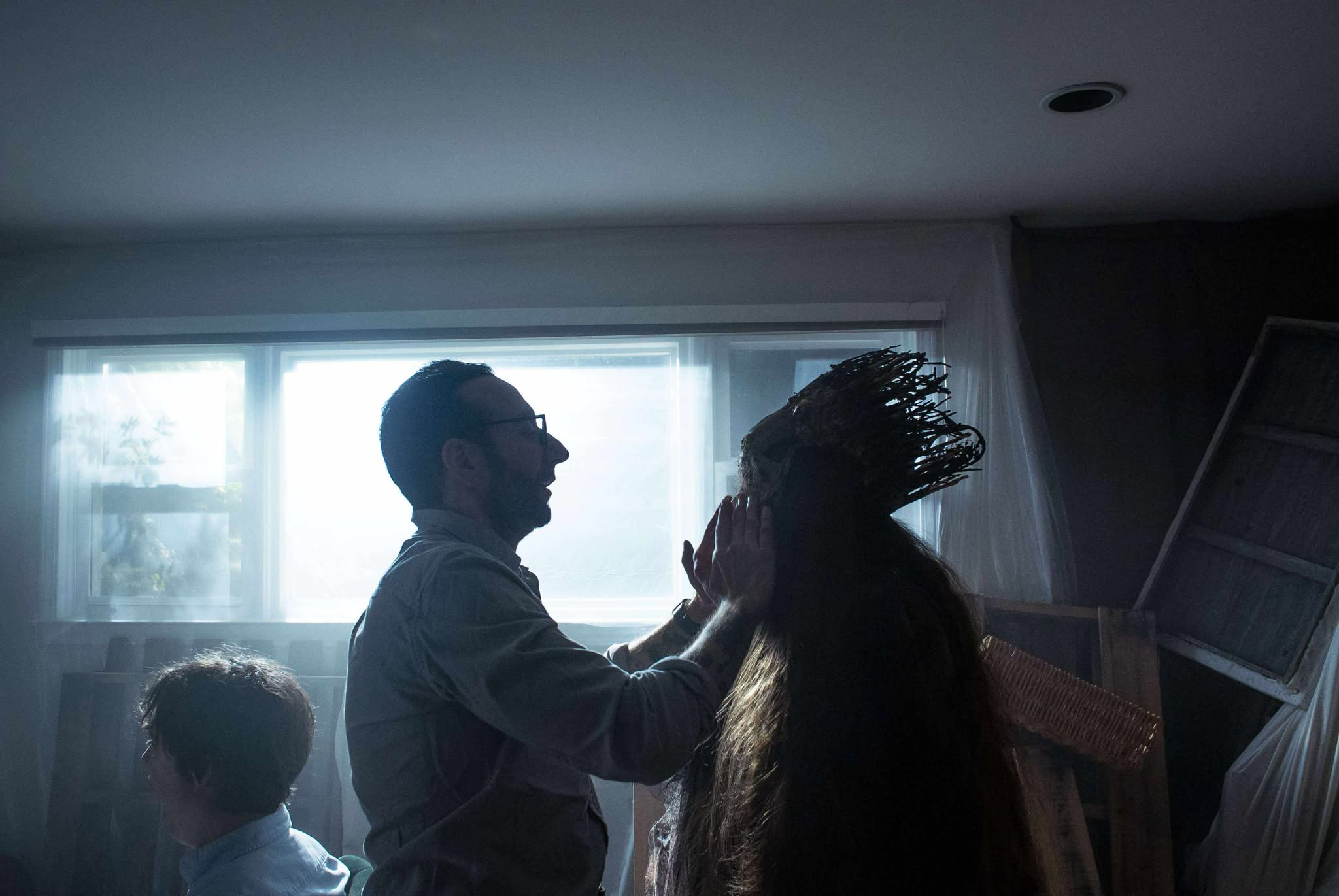
Your short film Shunga was featured in the horror anthology Phallicies. What inspired the concept and themes of the piece?
I’ve always been fascinated with Japanese culture and how it exists so simply, but so profoundly at the same time. Shunga was my homage to Japanese pornography. I feel as if Japanese film, theatre, art…just about everything…has a way of telling a story without saying too much. My husband, Jim, in the film, did such a good job of portraying a simple man who truly just wanted to become what he desired looking at. It’s all so beautiful in a basic way.
As someone who takes on multiple roles—writer, director, FX artist, and performer—what unique challenges do you face during production?
Everything, haha. No, the biggest challenge is doing SFX and acting together on one film. I think that’s probably the hardest hurdle. On “Tessa” I had to do that and it was so stressful and exhausting. The time constraint you have with a lot of productions really teach you to pay attention and double down.
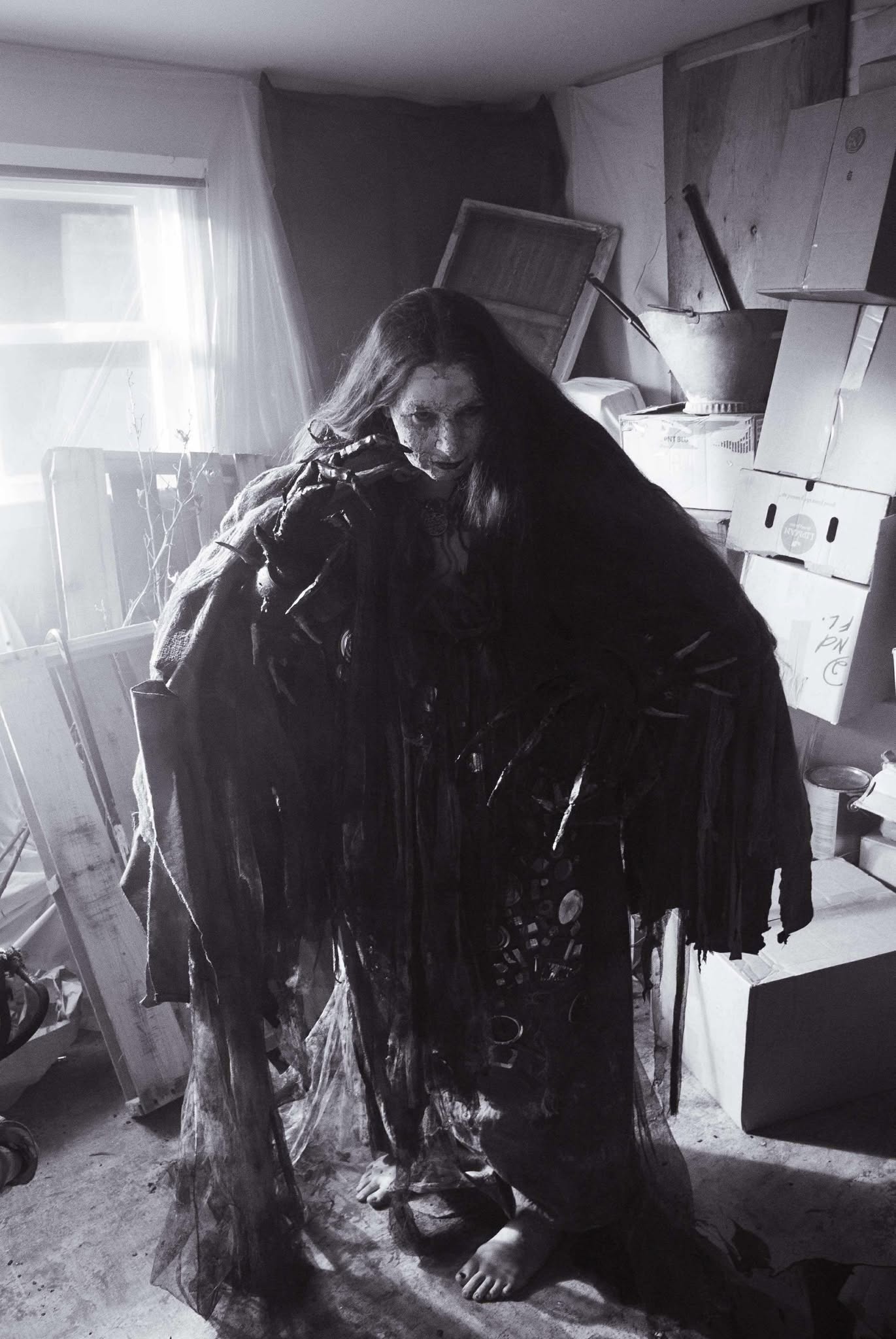
You recently contributed to the upcoming Screambox series The Trouble with Tessa, both behind the scenes as special effects supervisor and on camera as the character Trouble. What was your experience like working on a larger-scale production?
I wish I could do more. Honestly, there is such a different demand and contribution to film when you work on a bigger production. It was definitely way more stressful than anything I’ve ever worked on, but I also felt as if the hardship made the result that much better. The goal for me, anyway, is to get out of indie and work in SAG.
What is your perspective on the current state of the horror film industry, particularly for independent creators? Do you have any advice for emerging filmmakers navigating this space?
It’s tough, you know? Indie is becoming so much more domineering since COVID and studios relocating. On the flip side, it’s harder now more than ever to get your film out there and stand out. I can’t say I really enjoy a lot of what is put out. It’s not because I’m not supportive, but because streaming platforms are willing to put out just about anything to make money. I get the positive in it, but I am afraid of what the genre will become in the passing days. It’s successful; yet, I find it kinda sad considering so much is nonsense.
My advice to anyone is just take your time. Money is awesome, but people will remember your work by how much time, consideration, effort, and story you contribute to it. Don’t feel the pressure to put out what everyone else is doing because it’s popular. Focus on what you enjoy and work on making it the best you can. Slow and steady wins the race!
Where can audiences follow your work or stay updated on your latest projects?
IG: @corydeancowley
Facebook: Cory DeAn Cowley
TikTok: @corydeancowley
Website: www.officialcorydeancowley.com
More Interviews
Mathew Meyer’s is an American artist best known for his traditional Japanese style representations of Yokai, drawn with loving detail to the woodblock printing technique of ancient Japan. Mathew regularly… Ahead of NYX UK’s season of Simon Rumley films in December, the award-winning director talks candidly about therapy in filmmaking, his past fear of contracting AIDS/HIV, and being kicked of… A distinguished British horror author, who’s been the recipient of various awards in fiction and considered amongst the most revered veterans of the industry, Ramsey Campbell has established a strong… Most notable as the director behind the smash-hit horror comedy, Motel Hell, Kevin Connor is an English director born in King’s Cross, London. Beginning his career as an assistant film…
Interview: Matthew Meyer “There’s Essentially a Yokai for Every Occasion”
An Interview with Simon Rumley
Ramsey Campbell Interview – A Titan of Horror Literature
An Interview with Kevin Connor – Director of Hell Motel (1980)
Hey there, I’m Jim and I’m located in London, UK. I am a Writer and Managing Director here at Grimoire of Horror. A lifelong love of horror and writing has led me down this rabbit hole, allowing me to meet many amazing people and experience some truly original artwork. I specialise in world cinema, manga/graphic novels, and video games but will sometime traverse into the unknown in search of adventure.