
The Washers at the Ford are death spirits, harbingers of doom, now often classified among the Sidhe. Their first documented appearances are in Irish sagas, most notably the tale of Cu Chulain, Champion of Ulster. These spirits of doom appear in Ireland and the Scottish Highlands. (Scottish variants are sometimes called Little Washerwomen.) Their name explicitly describes who they are, what they do, and where they are found.

While there are variations, the standard Washer at the Ford is encountered in the guise of a haggard, distraught woman with disheveled hair, standing in the ford of a river, keening and wailing while laundering blood-soaked linens. She is mourning for someone; traditionally if you can see her and make eye contact that means that she’s mourning for you, although this is not always the case. If the doomed person is sufficiently heroic and deemed worthy of public mourning, the Washer foretelling his or her death may be visible to many others too.
Not all Washers at the Ford are identical. There is a Scottish Washer who manifests as a little old lady with only one nostril and red webbed feet: if you can sneak up and grab her before she sees you, she’s obliged to reveal for whom she mourns and grant you three wishes, which might include redemption of the doomed.
Modern retellings of encounters with Washers at the Ford tend to be poetic and romantic with the Washers envisioned as ethereal, wraith-like ghosts, something like White Ladies genteelly doing laundry. In fact, many old stories are pretty grisly. The Washers wash more than linens. Sometimes they wash severed heads, limbs, assorted body parts, bloody weapons, and armor. The river runs scarlet with blood and gore. There’s no doubt that they are death goddesses.
In genera, there are a couple of exception, the Washers do not cause death. Like their sister spirits, the Banshees, they only announce it. Many Washers are anonymous, serving as death harbingers may be their exclusive spiritual role. However, many famous Irish goddesses also double as Washers, especially when the death of a true hero is imminent. These include Badbh, the Morrigan, and Nemain.


Head Count (2021) Folklore Examination: A Representation of the Uncanny
Set amidst the beautifully desolate scenery of the Joshua Tree desert, Head Count is a suspenseful slow burn that delves into folklore and urban legends through a threatening presence…
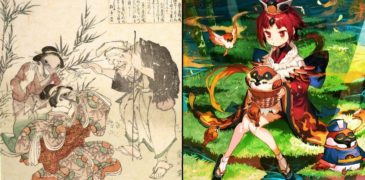
Japanese Folklore of Fate/Grand Order: The Tongue-Cut Sparrow
You may already be aware of the hit mobile game Fate/Grand Order, which has a really fun mix of anime, historical figures, folklore, waifus and even some sci-fi elements! Right…

The Unsettling Artwork of Japanese Artist Kyosuke Tchinai
I’d like to highlight a Japanese artist: Kyosuke TCHINAÏ. Born in 1948 in Ehime (under the name of Namikata Ohchi), he studied fine art at the National University of Fine…

Warning: Do Not Play (2019) Film Review – All About Showing, Not Telling
Warning: Do Not Play is a South-Korean horror that can proudly stand among the great Asian movies from this decade with a focus on filmmaking, ‘One Cut Of The Dead‘ and…