




There was a time when the internet still felt mysterious. Not dangerous in the modern sense, where every click risks phishing scams, AI-generated misinformation, or another company harvesting your data. It was mysterious because it was so anomalous. Just a dark expanse, a new frontier, a mysterious void that still felt like it had forgotten corners waiting to be discovered. Hidden websites. Strange forum threads. Dead links that hinted at something unsettling. Stories that came with just enough ambiguity to make you wonder: What if this actually happened? This was the era of the internet that spawned Creepypasta, nosleep, and other countless sites. Sites that were everywhere, spawning fanart and spinoffs, flash games and mockumentaries. And then…they were just sort of gone; replaced by a new wave of internet horror. Unceremoniously relegated to the digital equivalent of a dusty box in the attic. But what was it about that era of internet horror that made it so compelling—and where did that particular kind of unease go? To understand what we lost, we first have to go back to the strange, messy, wonderfully haunted internet that created it.
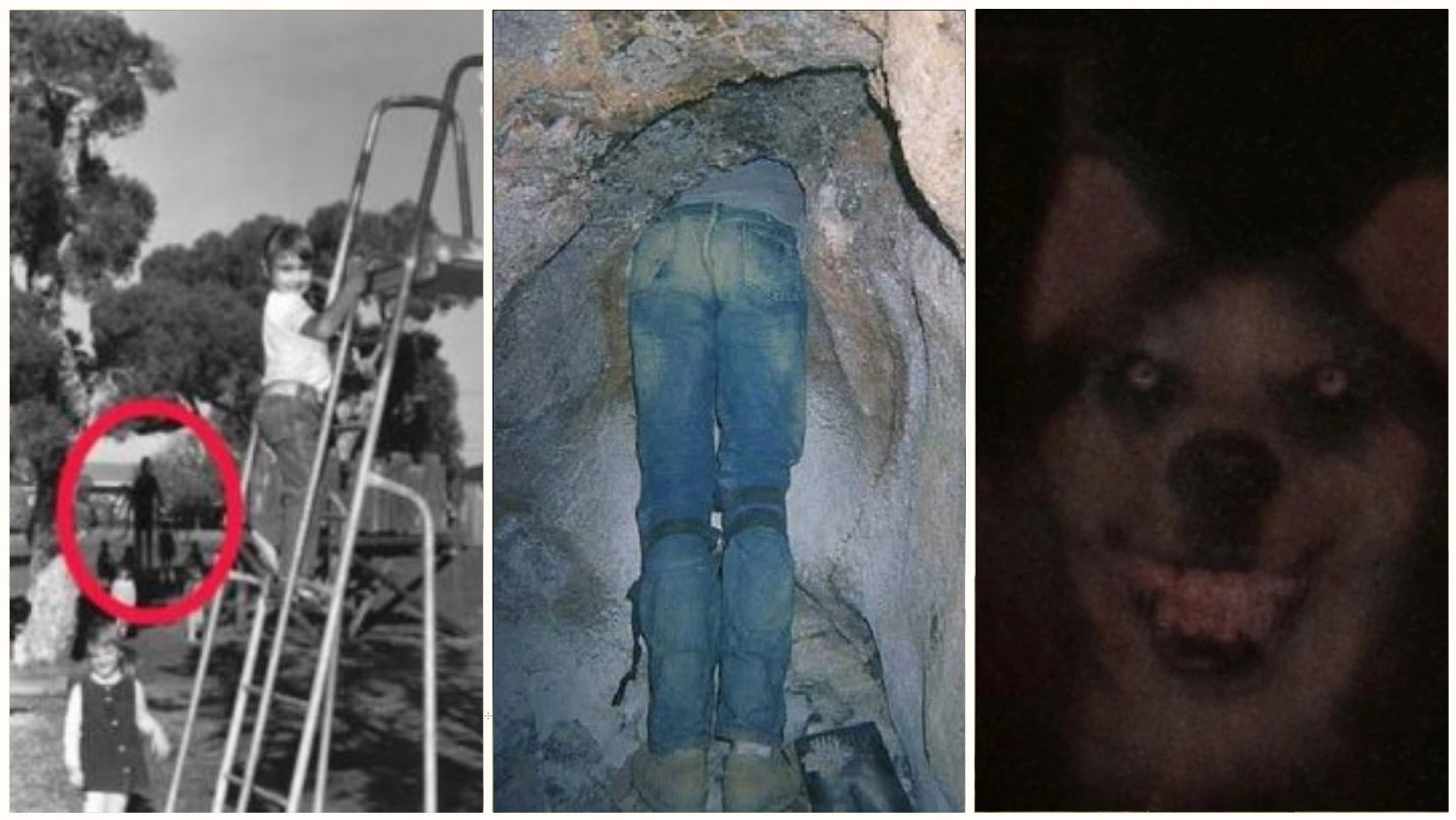
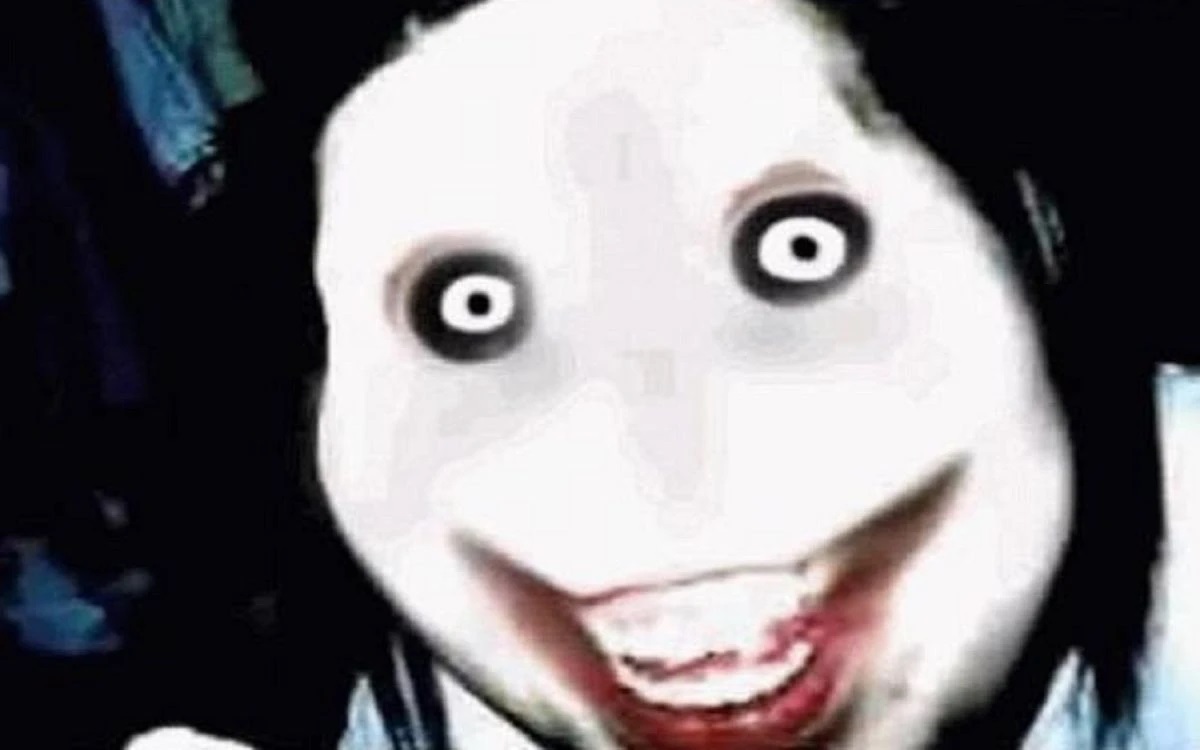
If you were online during the late 2000s and early 2010s, chances are you stumbled across a creepypasta or two. Maybe it was Jeff the Killer, with that unforgettable—and admittedly terrible—edited image; a story that holds the title for being so badly formatted that it was actually removed from the Creepypasta forums for its poor quality. Maybe it was Ben Drowned, convincing readers that a haunted Nintendo 64 cartridge was documenting its own possession. Maybe you were late to the game and got brought into the fold with r/nosleep and its legendary story, Borrasca, a story whose real terror lay in the fact that it wasn’t actually that far-fetched. Maybe you lost sleep after reading Anansi’s Goatman Story or 1999. Whatever your gateway was, creepypasta and pages like r/nosleep became the internet’s version of sitting around a campfire, daring each other to tell the scariest story imaginable. And, despite arguably having peaked over a decade ago, these types of spooky stories have retained the public’s attention and lived on to disturb new generations of horror fanatics, whether it be through inducing genuine terror or the secondhand embarrassment of their cringiness.
The early 2000s marked a change in the way we communicated with the world. We suddenly had access to a myriad of culture and information. Blogging and cringy personal pages became the norm, and people used the internet like a journal, an encyclopedia, a therapist, a sounding board. Anyone could put anything out there, and we couldn’t yet think critically about the things we found online, nor did we fully comprehend the vastness and permanence of the internet. Every angsty stream-of-consciousness Angelfire page is still out there somewhere along with every weirdly specific forum thread and badly created boyband fansite. They weren’t made with the idea that anyone would really see them, especially twenty years later. It was just a planet full of people putting their thoughts out into the void, trying to find their community or make their voice heard. And Creepypastas were no different. Most Creepypastas weren’t professionally edited or written with publishing contracts in mind. They were forum posts and blog entries, copied from website to website, shared because someone thought they were creepy enough to pass along to a friend. In many ways they resembled urban legends more than traditional fiction. Nobody expected literary perfection; people just expected a story that gave them something new and different. And when a Creepypasta offering got that part right, it worked remarkably well. To a point, it still does.
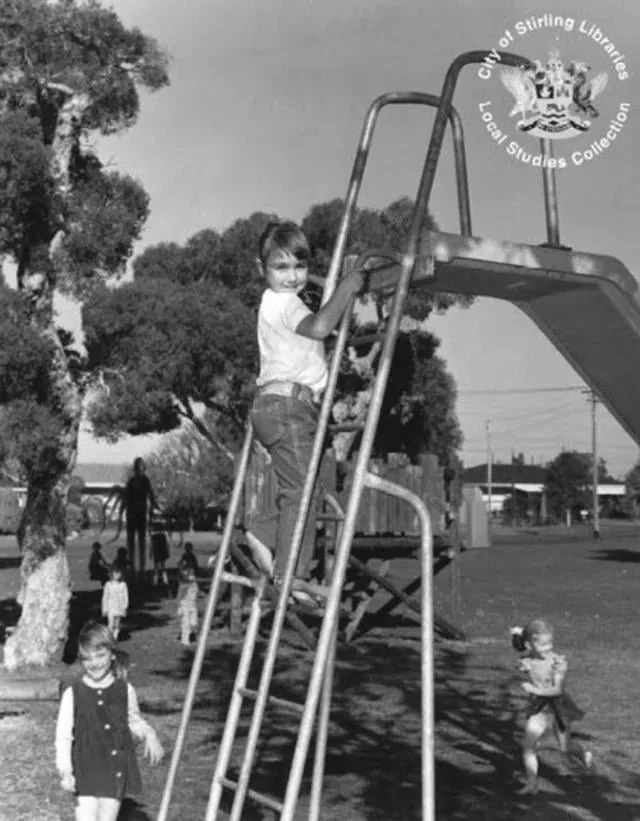
Of course, the early internet wasn’t exactly innocent, but it was considerably more willing to suspend disbelief and give itself over to the enigmatic void of the information superhighway. And that willingness made creepypasta uniquely effective. Stories like Candle Cove presented themselves as forum threads; conversations between ordinary people remembering a disturbing children’s television show that never existed. Ted the Caver unfolded through diary entries documenting an increasingly terrifying cave exploration culminating in something beyond rational belief. BEN Drowned blurred the lines between fiction and reality by incorporating gameplay footage, screenshots, and fake forum posts. These stories weren’t told around a campfire or written as novels; they were immersive and investigative. They brought the horror out of the page and into cyberspace where it felt more real, more concrete. And they dragged their audiences along with them.
Readers searched for evidence. They hunted for hidden clues. They checked YouTube videos, looked up long-forgotten television programs, pored over obscure forums. They debated whether haunted game cartridges or cursed websites or lost broadcasts might actually exist somewhere on the internet. Looking back, it seems almost quaint, doesn’t it?
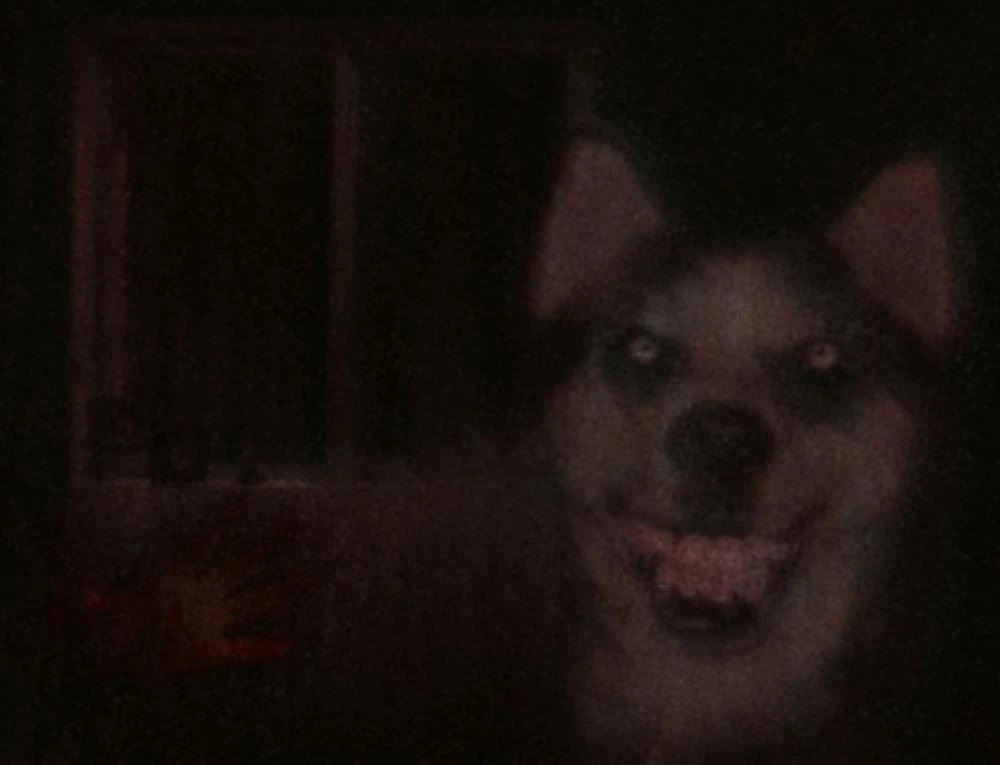
That being said, not every Creepypasta deserves to be remembered through rose-coloured glasses. The genre became notorious for stories that mistook excessive violence for good horror. Characters like Jeff the Killer, Eyeless Jack, and Laughing Jack spawned endless fan art, roleplaying communities, and increasingly convoluted shared universes (looking at you, Slender Mansion). Looking back now, many of these stories read like something written by pre-teens trying desperately to shock one another. And, to be fair, many of them were. Dialogue was awkward. Grammar was inconsistent. Endings often relied on abrupt jump scares, gratuitous gore, or the mention of something considered off-limits or taboo, at least by early 2010s pre-teen standards. Every other story made mention of creatures with too many teeth, photorealistic blood, and black eyes. Licensed characters and beloved franchises were especially tempting Creepypasta fodder, as were hidden websites, tech-savvy ghosts, and basically anything that smiled too widely and spoke in a whisper. It’s easy to laugh at these stories today, with their edgelord antagonists and clumsy internet jargon. But perhaps it’s also a little unfair.
While we now know that N64 cartridges are likely not haunted and Matt Groening probably didn’t make a hidden episode of The Simpsons in which the characters all die and go to hell, and maybe there isn’t a cursed Wikipedia page that controls the trajectory of our lives, these stories are still incredibly popular. Why? Likely because they harken back to the infancy of the internet and how much simpler things were then. They remind us of when cyberspace was still new and anomalous, before we were as cynical as we are today because we had less reason to be suspicious of every Facebook post and email. Some stories, like Lavender Town and 1999, endure because they give us a sense of nostalgia or a glimpse into a time since passed. Whether or not they’re actually scary isn’t nearly as important as their ability to immerse us in the thrill that was searching through subreddits and comment sections looking for the next clue. Similarly, stories like Jeff the Killer and Smile Dog remain popular not because of their ability to instil fear in audiences (the idea that kids were actually having nightmares of the Smile Dog photo is wild), but because of their impact on the cultural zeitgeist. They inspired parodies and sequels, fansites and memes. And stories like Ted the Caver, 1999, The Left/Right Game, Penpal, and Anansi’s Goatman Story (stories that relied less on shock value or visual media and more on atmosphere, pacing, and building up a feeling of dread), are still being passed around, read by YouTubers, and even printed as physical books. Read today, they remain tense because they understand a timeless truth about horror: What we can imagine is almost always scarier than what we’re shown, and the real terror comes from not knowing.
One of the biggest differences between the internet of 2011 and the internet of today is trust. Audiences of the 2020s are skeptical by default. Deepfakes exist, AI can fabricate convincing images in seconds, and every viral post is met with demands for sources, reverse image searches, and fact-checking. We assume almost everything online is staged until proven otherwise, and rightly so.
So, what changed? Well, for starters, modern internet horror is far more visual. Instead of reading thousands of words formatted to look like emails or journal snippets or entries on a forum, audiences now watch distorted VHS recordings, emergency broadcasts, security camera footage, or local news segments uploaded to YouTube. Where classic Creepypastas and r/nosleep offerings introduced the idea of using technology to add visual media and creative narrative framing to help tell the story, modern internet horror relies on it almost exclusively. Series like Local 58 and The Mandela Catalogue communicate almost entirely through imagery, sound design, and implication. They’re still telling fictional stories, still playing up on our love of nostalgia, still weaving complex narratives from the things we fear most. They’re simply borrowing authenticity from different places. Instead of utilizing technology that is too new and anomalous to understand, as 2010s internet horror did, they’re doing the opposite: Utilizing technology that is too old and antiquated for their audiences to fully understand. Harnessing the uncanny valley effect of old CGI and grainy VHS tapes to instil fear in a new generation. Early Creepypastas often asked readers to believe they had stumbled across a website or forum post they were never meant to find, or a haunted game cartridge they were never meant to play. Modern analog horror asks viewers to believe they’re watching archived television broadcasts or government recordings that were never meant to be seen by the public.
Ultimately, the goal hasn’t changed, only the method of disguising it has. Internet horror still relies on our ability to suspend belief and our fear of the things we don’t understand; we can’t quite comprehend. But the low-res photos of Jeff the Killer and Slenderman have been replaced with grainy home security footage of skinwalkers and confidential government videotapes of escaped thoughtforms or alien overlords. This isn’t to say one is definitively better than the other, just that they’re different. And perhaps that’s just inevitable. Technology changed the way we consume stories. YouTube became dominant. Short-form video exploded. Audiences became accustomed to multimedia experiences rather than long blocks of text, and so internet horror adapted accordingly. And for as much as they are different, they’re also still very much the same.
Of course, there’s another important difference between classic Creepypasta-style tales and today’s online horror: Creepypastas were messy. They were a largely collaborative effort cobbled together over time and space, and that’s a big part of what made them what they were. One person might write a story. Another would create fake screenshots. Someone else would make fan art. Another person would produce a low-budget short film or put up a somewhat legitimate-looking webpage. Before long, multiple contradictory versions of the same characters and story existed, each adding new details until nobody was entirely sure which version came first. It was basically Y2K’s version of folklore.
Take Slender Man, for example. Slender Man may have originated from a Photoshop contest, but the internet collectively built the myth that followed. Countless creators added new “evidence” in the form of videos, witness accounts, and newspaper clippings. Then came games, movie deals, and merch as it made its way into the mainstream of public consciousness. Ownership became blurry. Every pop culture franchise had a Slender Man-esque creature or a clumsy Slender Man crossover. And everyone seemed to be claiming that their iteration was the original. But it didn’t matter. Slender Man didn’t really belong to one creator anymore; he belonged to the internet itself.
Modern analog horror tends to work differently. Series are often tightly controlled by a single creator or group of creators with a clear narrative plan. Every frame matters. Every hidden image is intentional. Mysteries are carefully constructed pixel by pixel rather than organically accumulating through hundreds of unrelated contributors. Neither approach is inherently better, though I’m sure some would argue. They’re simply different storytelling traditions wherein one feels like hearing a rumor that keeps changing every time it’s retold; the other feels like watching a carefully constructed piece of art.
Creepypasta never really died; it just faded into the background for a while. Horror became a bit more mainstream. Classic slasher movies got glossy remakes, and Hollywood’s A-listers all dipped their toes in, producing, directing, and starring in horror movies. Big-name studios started to see horror as a viable moneymaking option instead of a niche, almost fetishistic genre best left to art students and indie filmmakers. And the Creepypasta-type internet horror didn’t really fit into that mold. It was inconsistent, abstract, often without clear purpose or meaning, and meant to be sort of disposable. You read it, you were creeped out, you sent it to someone else, and you moved on. And it was too accessible. Anyone could write a Creepypasta or a r/nosleep story. It lacked the polish and exclusivity that studios look for. To put it simply, 2010s internet horror just wasn’t easily ownable, and that meant it wasn’t easily marketable. And so, it fell by the wayside for a while. Gone from the spotlight, but definitely not forgotten.
In the end, perhaps Creepypasta’s legacy isn’t any individual monster or story, but the generations that grew up reading it. Many of today’s horror filmmakers, game developers, YouTubers, and writers were teenagers during creepypasta’s peak. They spent their formative years devouring tales of the Rake and Mr. Bear and haunted houses that you never truly escape. Most importantly, they learned that horror didn’t need Hollywood budgets or celebrity endorsements. A forum post could terrify thousands of people. A few convincing screenshots could spark weeks or even months of online discussion. And that lesson never disappeared; it just evolved and became a huge part of modern content creation. Indie horror games, found-footage films, ARGs, and analog horror all spawned from the realization that the internet itself could become part of the narrative frame. The bones of early internet horror are found beneath all of it. Even today’s mascot horror phenomenon, for better or worse, carries echoes of creepypasta. Characters become icons first and stories second. Fans theorize endlessly, and lore expands across videos, games, websites, and hidden messages. While the methods have become more sophisticated, the results are exactly the same.
Nostalgia has a way of smoothing the rough edges and blurring the jagged lines. It’s easy to remember the excitement of discovering Ted the Caver while forgetting the dozens of poorly written stories that copied its format. It’s easy to remember sleepless nights after reading Candle Cove while overlooking the flood of stories featuring haunted Pokémon cartridges or cursed episodes of children’s cartoons. The internet horror-sphere of the new millennium was never consistently good, but that was part of the appeal. Today’s online spaces are more sterile. Algorithms determine what we see, and billion-dollar media companies fight for our attention constantly, overwhelming us with perfectly polished media where even the grit and grime feel too intentional, too expensive. The internet feels less like a collection of hidden communities and mysterious domains and more like a handful of enormous platforms all shining beacons into the ether. Maybe that’s why Creepypastas are so enduring. Maybe that’s why a new generation is discovering 2010s internet horror and desperately digging through the annals of the Wayback Machine looking for more. They’re tired of having focus tested, mass-produced horror served to them on a silver platter and are seeking the thrill that is finding that one amazing story in a pile of poorly-written, overly cliché junk. They long for an internet that feels new and scary, but also small and intimate. An internet where you could lose yourself in a story and wonder, just for a moment, if it might really be true.
More Film Reviews
Today I want to talk about a little film called Avatar. No, not the bloated CGI-laden thinly-veiled sci-fi retelling of Disney’s Pocahontas directed by James Cameron Avatar, I’m talking about… By all rights Crabs! seems like it ought to be the sort of film that is a complete joke. Nominally it is about a horde of murderous mutated horseshoe crabs… Cradle of Fear is a 2001 British extreme horror anthology film written and directed by Alex Chandon, and starring Cradle of Filth Frontman, Dani Filth. Cutting his teeth in the… Silent Night is a very different kind of Christmas movie. Written and directed by Camille Griffin, in her directorial debut, everyone is gathering for a perfect Christmas party: friends, family,… Exposure therapy is a psychological treatment used in helping patients with confronting and overcoming their fears. With KIMI, Steven Soderbergh’s mix of paranoid, domestic suspense and techno-thriller, the Academy Award-winning… Until c.1080 CE, the Temple of Uppsala stood tall and proud outside Gamla Uppsala, Sweden. The temple served as a place of worship and community dedicated to pagan deities such…
Avatar (2011) Movie Review – An Unfortunately Named and Overlooked Japanese Gem
Crabs! (2021) Film Review – A Love Letter to Classic Monster Movies

Cradle of Fear (2001) Film Review – From Cradle to Grave
Silent Night (2021) Film Review: Heart-wrenching Apocalypse Drama
KIMI Movie Review (2022) – In Vivo Exposure
The Ritual (2017) Film Analysis – The Demonization of Paganism

As lover of cryptids, literature, and all things horror, I am so excited to be bringing my talents to the Grimoire of Horror. I am a librarian, avid gamer, TTRPG nerd, and a Mothman fangirl. I spent several years screening films for PRIMAA’s Canadian film festival Reel Shorts, and spent some time as an amateur horror filmmaker, competing in the Frantic 48 filmmaking challenge several years in a row. I love anything horror, from true crime to grindhouse to found footage and am especially interested in horror books and movies created by LGBTQIA2S+ and BIPOC as I think we have a fresh take on the genre and a fascinating perspective on what horror can be.