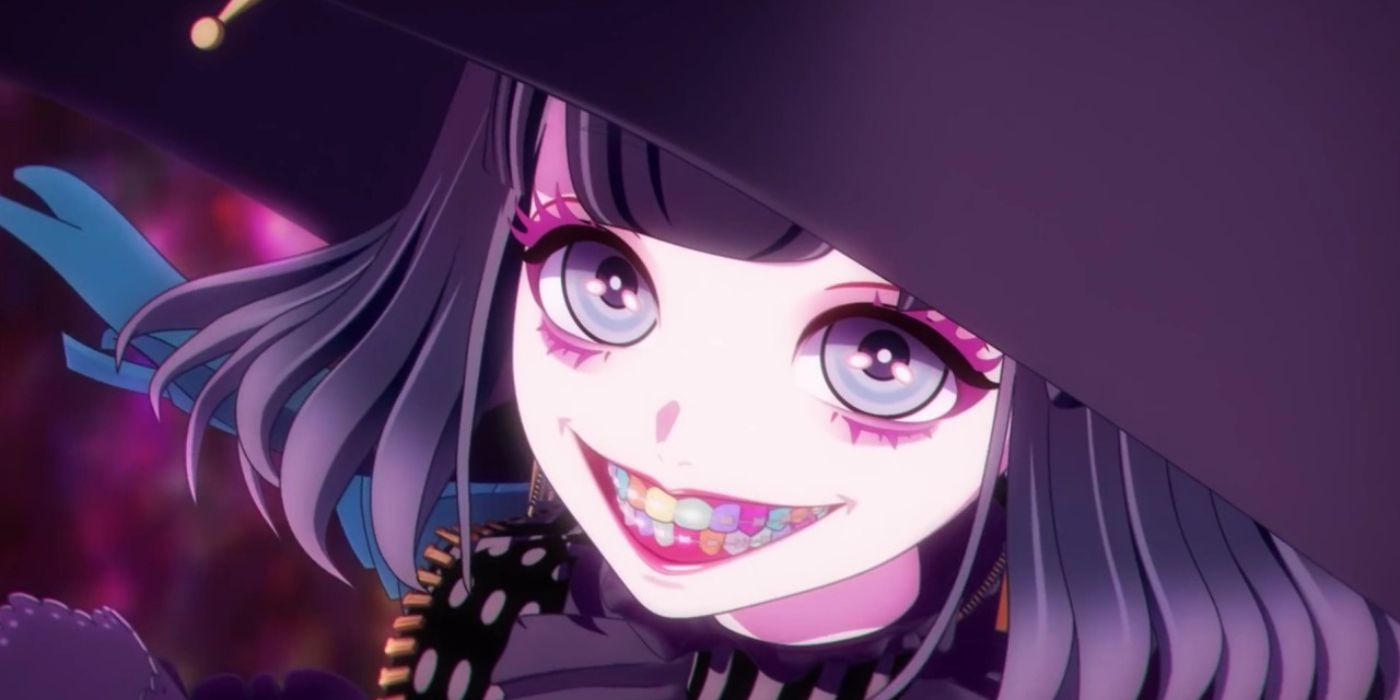




ArtisWitch is an anime collaboration project between Sunrise and a Japanese talent agency, AsobiSystem, which features Harajuku art, music, and fashion. In every episode, there is a different artist featured to create the backgrounds with significantly differing styles, and a new musical artist that writes a song specifically for the plot of that episode. Costume changes occur episodically as well, creating a unique experience in a series that has a continuous plot.
Nina is an apprentice witch, serving in a mysterious shop in Harajuku. She works to fulfill her customer’s unheard wishes, gaining power after each one. However, not all human desires are pleasant and pure, and that takes a toll on Nina. How will she handle the dark wishes that humanity asks for?
Similar in theme to shows like Madoka, xxxHolic, and Wonder Egg Priority, ArtisWitch has more than meets the eye. It starts off wholesome but gets deeper and darker as you continue with it. Everything has layers, metaphors, and psychology to analyze and dissect.

Nina’s character goes through many changes and arcs, and her superb voice acting from first-timer Utano Aoi succeeds in portraying her nuances perfectly. They also used motion capture while filming her voice acting, while the animators referred to frequently while drawing Nina.
Such attention to detail is not lacking in ArtisWitch in any capacity. As mentioned previously, different background artists are used in each episode. Similar to the labyrinths in Madoka, when Nina helps a customer grant their wish, they both travel into the customer’s psyche to explore what their wish truly is, drudging through their insecurities, hidden yearnings, and dark secrets to uncover it by “peering deeper”. Each of these explorations shifts the style, opening a canvas that is perfect for artists to express what the character is feeling and unleash pure stimulus, assaulting the viewer’s senses.
Completing the “labyrinth” experience is always a song, as well. Not only is there a unique band or songwriter for each episode, but they were provided the script in advance and wrote the song specifically for that episode, so that it matches the feelings and arc happening for the character.

Miki Azawa is the costume designer for the ArtisWitch project, not only creating the outfits for the anime by using Harajuku fashion as her inspiration, but also real-life pieces for the promotional videos, as well. She has also used real designers to incorporate into the series such as the Perso zipper earrings in episode 4, Nina’s Tokyo Bopper shoes in her “witch transformation outfit”, Vivienne Westwood pieces, and more.
Another interesting aspect of the series is that they chose a live-action director, Kazuma Ikeda, to bring his experience to directing anime for the first time. His direction for adding a unique aspect to cinematography shows, and makes ArtisWitch stand out among current anime.
Combining the unique artist backgrounds with the stunning style Sunrise is known for makes ArtisWitch an absolutely breathtaking, artistic achievement. Add in a dark, psychological story with massive character development, fashion, music, and intrigue in spades, and one can see why casual fans have become obsessed.
Not to be overlooked is the character development in every episode. Nina doesn’t merely grant wishes to her customers, she helps them to find their true identities. Progressive and complicated, the series will be especially appreciated by those looking to be understood. However, ArtsWitch understands that not answers are cut and dry, nor will others always come to the same answer. As the series gets further in, one particular character reaches a darker answer that viewers should be warned about. We see Nina also struggle with granting this wish and what it means for her.
ArtisWitch currently has 6 regular episodes released on their youtube channel, along with follow-up “picture dramas” that act as an afterward to each, many music videos, interviews, and more.

More Anime Reviews
With the release of the new ‘Cowboy Bebop‘ live-action show, and a new Yoko Kanno soundtrack, perhaps it’s time to look at one aspect of anime that is often neglected:… If someone from ten years ago told me that I would one day be able to find Junji Ito merchandise at even some of the biggest chain stores, I might… I had the great fortune of viewing the documentary Satoshi Kon: The Illusionist (2021) at this year’s Nightstream horror film festival. As a longtime fan of his work it turned out… Urotsukidoji: Legend of the overfiend is a 1989 Japanese, adult-oriented horror anime film, written by Shô Aikawa and directed by Hideki Takayama. Takayama is well-known as the director of a… Crimson Climax is a three-part erotic yuri horror drama based on the Adult visual novel game Hotaruko by Tiger Man Project. The anime was directed by Daiitiya Otosime and Katsuma… With the latest Higurashi series wrapped up as of just last week, it’s time for a spoiler-filled review for the fans that want to dissect the heart (and other organs)…
Best Horror Anime Music – A Look at Anison

Junji Ito Maniac: Japanese Tales of the Macabre (2023) Review – A Slight Improvement From The Previous Collection

Satoshi Kon: The Illusionist (2021) Film Review: A Short Life with Immeasurable Impact
Urotsukidoji: Legend of the Overfiend (1989) Anime Review – Fun For All the Family

Crimson Climax (2004) Anime Review – A Dark Tale of Human Sacrifice, BDSM, and Murderous Mannequins

Higurashi no Naku Koro ni Gou (2021) Review: A Deep Dive into Time Loops of Discomfort
Hello, I’m Quinn. Saying I’m deeply into fashion and Japanese culture is an understatement. We’ve renovated entire rooms of our house to dedicate to my collections of lolita and other Japanese fashions. I enjoy balancing the cute with the macabre, and the more disturbing it is, the more I’ll enjoy it. Thus, my love for Asian horror and manga was born. Thank you for taking the time to read my writings. I look forward to discussing films and aesthethics with you!