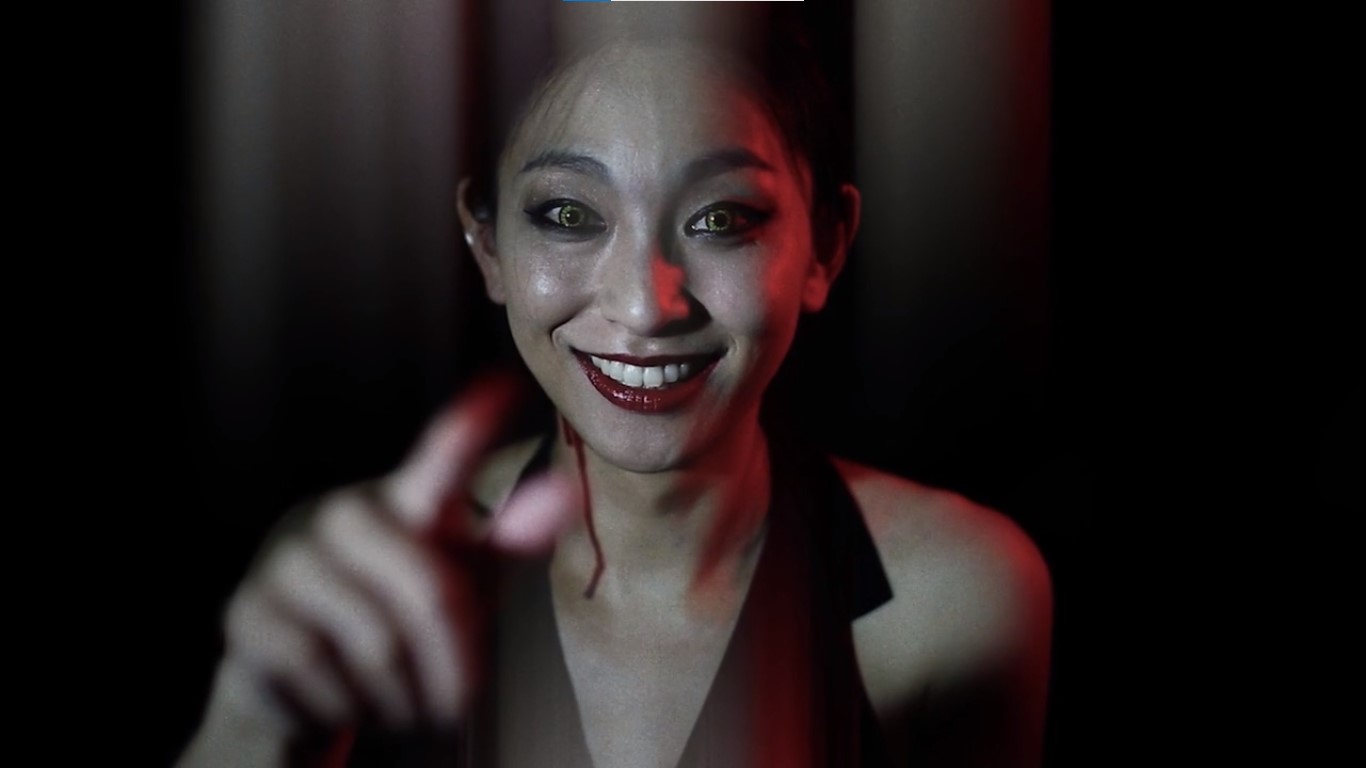
The horror anthology has become a beloved sub-genre among horror fans, lading to higher scrutiny when faced with nostalgia that comes from such classic titles as Creepshow 1 & 2 and more modern hits like Trick r Treat. As a result, it can be difficult for any film to make its mark within the format. So how does Tokyo Grand Guignol fare within the beloved mini-genre?

WHAT IS IT?
Inspired by the legendary ‘Grand Guignol Theater’, an infamous venue in France that showed plays heavy on themes of sex and violence, and blood drenched cinema from Japan, Tokyo Grand Guignol offers four horror shorts by four French directors’; Endless Love by Yann Moreau, Trahision by Francois Gaillard, Shadow Hunter by Gilles Landucci and Good Boy by Nicholas Alberny.
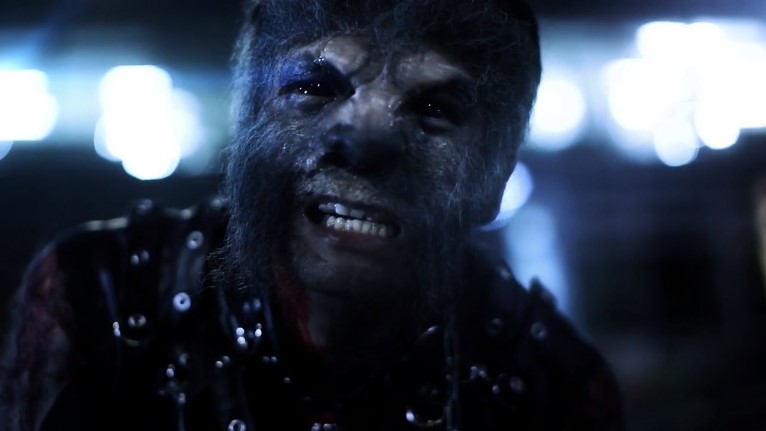
Each segment varies in plot, offering up tales of the supernatural, science fiction, creature feature and (pleasantly surprising) a peculiar romance. However, each segment is tied together by a similar aesthetic and a penance for over-the-top violence.
WHAT DID I LIKE ABOUT THE FILM?
While many anthology films seem to have one or two weaker entries that can offer a brief lull in the overall experience, each segment offers up a fun and engaging experience that makes it difficult to play favorites. Working within familiar genres, each segment manages to add some diversity on familiar tropes to create a unique and original narrative. These four shorts existing in harmony is enough to make the film essential viewing for fans of anthology horror.
Visually, each segment offers up a crisp and clear aesthetic that is geared to best capture moments of violent chaos. While the film’s budget does tend to leak over into the presentation, the crew’s ability to thrive within their own restrictions speaks to the best of independent cinema.
Performances also compliment the presentation, able to indulge in campiness without overpowering the story and taking the viewer out of the moment. An impressive feat, given that working with an international cast often yields awkward and muddled delivery from the cast.
Finally, it should be noted that the film does balance the ultra violence with some great moments of dark humor. Notably, the end of Endless Love and Good Boy offer up a gleefully dark scenario to cap off each segment.

WHAT DIDN’T I LIKE ABOUT THE FILM?
The film does suffer from some archaic CGI that, at times, can come across as too silly to take seriously. However, it can be argued that this adds some charm to the production as it can add an extra layer of giddy absurdity to the more outlandish moments.
Given the inspiration of the theater, not tying together each short by a someone with stage presence feels like a missed opportunity. Additionally, the presentation can be a bit too ‘in your face’ with a frenetic score and quick edits that offers an aesthetic that does not really scream ‘theater’. Overall, framing the production as an homage to the ‘Grand Guignol’ feels slightly misleading outside of the focus on gore and sex.
OVERALL THOUGHTS
Tokyo Grand Guignol is a true delight from start to finish and while it may not be perfect, even moments of bad CGI give the film its own kind of definitive charm. It has been awhile since I can say I had this much fun with an anthology, including the slew of titles that make their way to streaming during the holiday season.
If I had to pick a favorite segment, it would have to be Good Boy which appeals to my love of dogs in its underlying theme of loyalty. This segment also contains some of the more interesting sets and use of CGI. A close second would have to be Endless Love offering up a Groundhog Day scenario in which the final solution to escape the cyclical hell is murdering others. However, every segment has its charms and ‘fan favorites’ is bound to vary.
Four masterfully told tales of the macabre, driven by a stylish aesthetic and chalked full of glorious ultra-violence, Tokyo Grand Guignol is a show that should not be missed!

This title is available for purchase and rentalthrough Amazon.
More Reviews:
Prisoners of the Ghostland (2021) Film Review – East Meets West for a Radioactive Psycho-Western
Prisoners of the Ghostland wastes no time engaging viewers with its opening scene depicting the curious contrast of the stark white interior of a bank with its many patrons donned…

The Elderly (2022) Film Review -The Old Make Way for the Young… Right?
After his beloved wife suddenly commits suicide, octogenarian Manuel (Zorion Eguileor) starts behaving strangely and is soon taken into the care of his son, his wife, and their daughter in…

Mai-Chan’s Daily Life (2014) Film Review – Extreme Graphic Depravity
The early days of film exploration were pretty wild, with the advent of VHS and early online access creating a community of people pushing filth. Consequently, certain films became a…

Haunting of the Queen Mary (2023) Film Review – A Disastrous Shipwreck
As a seasoned horror fanatic, I eagerly anticipated the 2023 release of director Gary Shore’s Haunting of the Queen Mary, expecting spine-chilling thrills and a captivating storyline. I grew up…

After Blue (Dirty Paradise) Film Review – An Erotic, Sci-fi, Coming of Age Tale
“My name is Roxy, but the village girls call me toxic” After explaining how womankind found themselves alone in the land known as ‘After Blue’, we meet Roxy whose introduction…
DEAD SNOW Review (2009) – An Entertaining Bloodbath!
The horror genre has been flooded with a ton of films and sometimes certain gems can slip through the cracks, and go unseen for a long time. Enter “Dead Snow”….